 By Samudrapom DamReviewed by Susha Cheriyedath, M.Sc.Updated on Nov 20 2024
Asbestos is a naturally occurring mineral made up of fine, fibrous strands, known for its impressive strength and resistance to heat and chemicals. Over the years, it has been widely used in building materials, particularly for insulation, fireproofing, and soundproofing. Even today, some products still contain asbestos despite its risks.
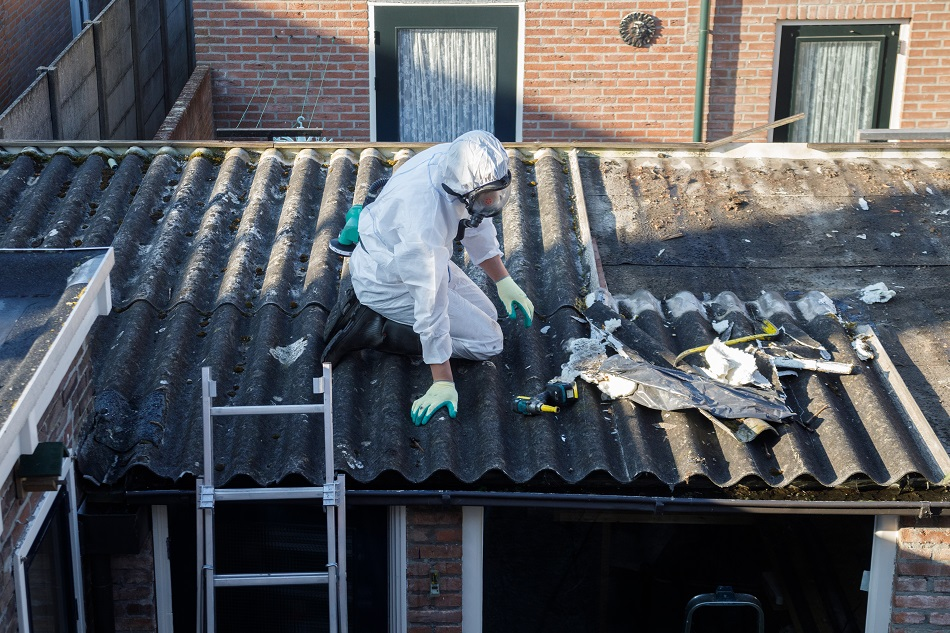
Image Credit: Logtnest/Shutterstock.com
Asbestos consists of microscopic bundles of fibers that may become airborne when asbestos-containing materials are damaged or disturbed. When these fibers get into the air, they may be inhaled into the lungs and can cause significant health problems.
How to Identify Materials That Contain Asbestos?
You cannot tell if a material contains asbestos just by looking at it, unless it is clearly labeled. If you are unsure, it is safest to treat the material as though it contains asbestos or have it tested by a qualified professional.
Professionals are trained to handle materials safely and prevent the release of harmful fibers during sampling, which can pose a greater health risk if done incorrectly. For this reason, taking samples yourself is not recommended.
If asbestos-containing materials are in good condition and unlikely to be disturbed, such as during renovations, it is best to leave them alone. Only damaged materials or those that will be disrupted should be sampled for analysis.
When information about asbestos-containing materials is unavailable, asbestos surveys are typically conducted. These surveys involve inspecting the premises and collecting samples for analysis. There are two main types of surveys:
- Management Surveys: Focus on identifying asbestos-containing materials that could pose a risk during normal building use.
- Demolition/Refurbishment Surveys: Identify asbestos that must be safely removed before renovation or demolition begins.
An asbestos survey provides detailed information on the condition, quantity, and location of asbestos-containing materials. It also assesses any damage, determines if remedial actions are needed, and supports the creation of an asbestos management plan and register. These surveys are crucial for identifying hidden asbestos before any major construction work to ensure safety.1,2
Where Can Asbestos Be Found?
Until the 1970s, asbestos was commonly used in many building products and insulation materials in homes due to its durability and resistance to heat. Today, most products no longer contain asbestos, but a few that do must be clearly labeled, especially when they involve smaller asbestos particles that could become airborne and inhaled.
Common Materials Containing Asbestos and Risks of Fiber Release
-
Steam Pipes, Boilers, and Furnace Ducts: Often insulated with asbestos blankets or paper tape, these materials can release fibers if improperly repaired, damaged, or removed. The 2018 steam pipe explosion in New York City highlighted the dangers of asbestos in such materials, prompting emergency containment measures.
-
Floor Tiles: Asbestos was frequently used in vinyl, asphalt, and rubber floor tiles, as well as in vinyl sheet flooring backing and adhesives. Activities like sanding or scraping during removal can release harmful fibers.
-
Cement Sheet, Millboard, and Paper: These materials were commonly used as insulation around furnaces and wood-burning stoves. Cutting, sanding, drilling, or otherwise disturbing them can release fibers, as can worn seals and gaskets on appliances.
-
Soundproofing, Decorative Materials, and Textured Paints: Asbestos was often added to sprayed soundproofing and decorative finishes on walls and ceilings. Loose, crumbly, or water-damaged materials are more likely to release fibers, particularly when sanded, drilled, or scraped. Textured paints and patching compounds also occasionally contained asbestos.
-
Asbestos Cement Roofing, Shingles, and Siding: These materials pose minimal risk as long as they remain intact. However, cutting, sawing, or drilling them can release asbestos fibers into the air.
What Should You Do If Your Home Contains Asbestos?
If you suspect asbestos in your home, there is no need to panic. In most cases, the best course of action is to leave asbestos-containing materials undisturbed if they are in good condition. Asbestos materials that remain intact are unlikely to release harmful fibers. Here are two key steps to help you manage asbestos-related concerns safely:
Inspect Materials Regularly
- If you suspect materials might contain asbestos, check them for signs of damage, such as tears, abrasions, or water exposure. Damaged materials are more likely to release fibers, especially if disturbed by vibration, airflow, or handling.
- Avoid touching these materials, as even slight interference could lead to fiber release.
2. Limit Access and Seek Professional Help
- Restrict access to areas with damaged or deteriorating asbestos materials.
- Properly dispose of small items containing asbestos, such as worn gloves, stove-top pads, or ironing board covers, following local health and safety guidelines.
- If materials are significantly damaged or renovations might disturb them, consult a qualified professional for repair or removal. Professionals can ensure safe handling and prevent exposure during the process.
By taking these precautions and relying on professional services when needed, you can effectively minimize any risks associated with asbestos in your home.
What Happens When Asbestos is Repaired?
Repairing asbestos typically involves either sealing or covering the material to prevent harmful fibers from being released. These methods are effective at reducing risks and are often more cost-efficient than removal. However, repairs do not remove the asbestos entirely, which could make future removal more challenging and expensive.
Sealing (Encapsulation)
Sealing involves applying a special sealant to the asbestos material. This sealant binds the fibers together or creates a protective coating to stop them from becoming airborne. Encapsulation is often used on materials like pipe, furnace, or boiler insulation. Sealing must always be performed by a trained professional to ensure safety and compliance with regulations.
Covering (Enclosure)
Covering involves placing a barrier, such as a wrap or jacket, over the asbestos-containing material to prevent fiber release. For example, exposed insulated piping can be enclosed with a protective layer. This method also requires professional expertise to ensure the covering is secure and effective.
Key Considerations
- Repairs leave the asbestos material in place, addressing immediate risks but not eliminating the source.
- While repairs are generally less expensive than removal, they may complicate future removal if it becomes necessary.
- Whether the repair is major or minor, it is essential that it is handled by a qualified professional to avoid potential exposure.
By repairing asbestos safely, you can significantly reduce risks while avoiding the higher costs and hazards associated with removal.
How is Asbestos Removed?
Asbestos removal is a complex and costly process, typically considered a last resort unless required by state or local regulations. The high cost reflects the significant risks associated with releasing asbestos fibers during removal, which require strict safety measures.
Removal is only recommended when asbestos-containing materials are heavily damaged, pose an immediate health risk, or must be disturbed during renovations or demolition. In most cases, repairing or encapsulating the material is a safer and more economical solution.
Proper PPE is essential for workers involved in asbestos removal to minimize exposure to airborne fibers. Required protective gear includes:3
- Respiratory Protection: A half-face respirator or P2 disposable mask to prevent inhaling asbestos fibers.
- Protective Clothing: Disposable coveralls to prevent contamination of personal clothing.
- Footwear: Gumboots or boot covers for additional protection.
- Hygiene Products: Face and hand wipes to remove any residual fibers after work.
Due to the high risk of fiber release, asbestos removal should only be performed by licensed professionals trained in safe handling and disposal methods. These experts follow strict protocols to protect themselves, occupants, and the environment from exposure.
By prioritizing professional handling and following regulations, asbestos removal can be conducted safely while minimizing risks. However, in most cases, leaving asbestos undisturbed or opting for repairs is the preferred approach.
Regulatory Compliance
Regulatory compliance regarding asbestos in homes and workplaces is crucial to ensure the health and safety of occupants and workers. Adhering to established guidelines helps prevent exposure to asbestos by managing its identification, removal, and containment.1,4
- United States Regulations: In the US, several federal regulations govern asbestos management:
- National Emission Standards for Hazardous Air Pollutants (NESHAP): These standards require identifying and managing asbestos-containing materials during demolitions and renovations conducted by municipalities, counties, and land banks. This ensures proper handling to prevent fiber release.
- Asbestos Information Act: This act promotes transparency by identifying manufacturers of asbestos-containing products, helping to monitor their use and distribution.
-
United Kingdom Regulations: In the UK, the Control of Asbestos Regulations serves as the primary framework for safely working with and managing asbestos. These regulations outline strict procedures for identifying, handling, and disposing of asbestos to minimize risks.
Following regulatory guidelines protects individuals from exposure and ensures that asbestos-containing materials are managed responsibly. Whether dealing with residential buildings, workplaces, or large-scale demolitions, compliance is essential for maintaining safety and meeting legal requirements.1,4
Health Considerations
Asbestos has been categorized as a known human carcinogen by the US Environmental Protection Agency (EPA), the International Agency for Research on Cancer (IARC), and the US Department of Health and Human Services (HHS).5
Asbestos causes mesothelioma and larynx, ovary, and lung cancers. Additionally, asbestos exposure could increase the risk of asbestosis and other nonmalignant pleural and lung disorders, including pleural thickening, benign pleural effusions, and pleural plaques.5
Health risks from asbestos exposure rise with longer exposure time and heavier exposure. Given the severe health risks associated with asbestos exposure, including cancer and lung disorders, it is crucial to prioritize health considerations in both home and workplace environments to prevent harmful exposure.5
Conclusion
In summary, asbestos, once widely used for its beneficial properties, poses significant health risks, including cancer and lung disorders, when its fibers become airborne and are inhaled.
It is essential to identify and properly manage asbestos-containing materials, especially in homes and workplaces, through professional surveys, safe repair methods, or, when necessary, removal by trained experts.
Regulatory compliance plays a vital role in minimizing exposure. Prioritizing health considerations ensures the safety of both residents and workers. Regular monitoring and professional intervention are crucial for preventing the harmful effects of asbestos exposure.
References and Further Reading
- Introduction to asbestos safety [Online] Available at https://www.hse.gov.uk/asbestos/introduction/identifying-asbestos-and-its-condition.htm (Accessed on 20 November 2024)
- The duty to manage asbestos in buildings [Online] Available at https://www.hse.gov.uk/asbestos/duty/arrange-asbestos-survey.htm (Accessed on 20 November 2024)
- Wearing protective equipment [Online] Available at https://www.asbestos.qld.gov.au/removing-or-disturbing-asbestos/wearing-protective-equipment (Accessed on 20 November 2024)
- Asbestos-Containing Materials (ACM) and Demolition [Online] Available at https://www.epa.gov/large-scale-residential-demolition/asbestos-containing-materials-acm-and-demolition (Accessed on 20 November 2024)
- Asbestos Exposure and Cancer Risk [Online] Available at https://www.cancer.gov/about-cancer/causes-prevention/risk/substances/asbestos/asbestos-fact-sheet (Accessed on 20 November 2024)
Disclaimer: The views expressed here are those of the author expressed in their private capacity and do not necessarily represent the views of AZoM.com Limited T/A AZoNetwork the owner and operator of this website. This disclaimer forms part of the Terms and conditions of use of this website.