Apr 19 2009
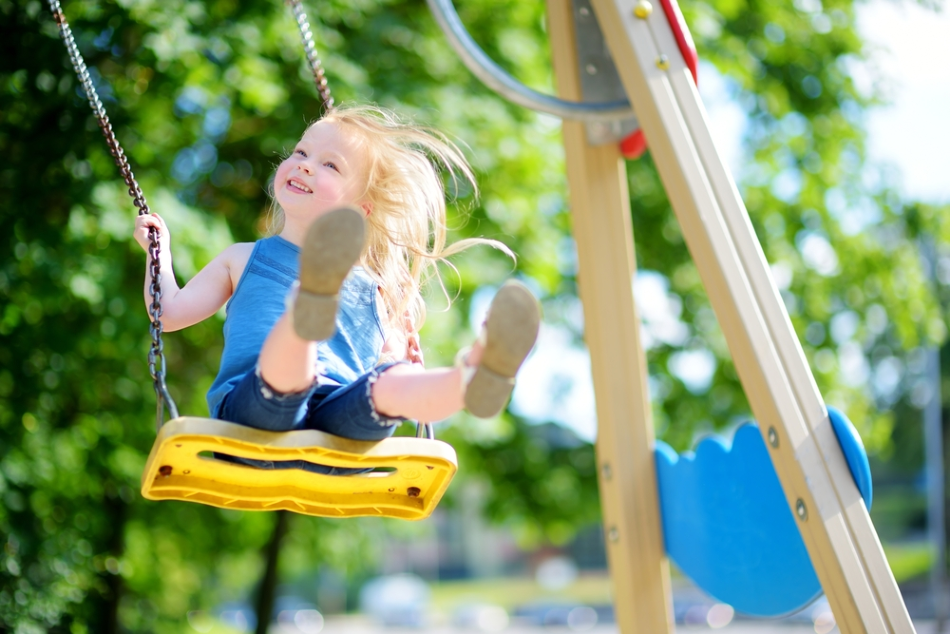
Image Credit: MNStudio/Shutterstock.com
Article updated on 02/03/20 by Stephen Edgar
Parents are being encouraged to ensure that their children get quality physical time to play outdoors, as these activities are important for health and social development. However, play environments must be as safe as possible. The International Playground Equipment Manufacturers Association (IPEMA) provides a certification program for public play equipment and surfacing materials. Here are a few helpful hints from IPEMA's playground safety experts to help safely maximize children’s experience on the playground, while still allowing them the freedom to challenge themselves and enjoy the full benefits of their play experience.
Playground Safety
Even more than ever, during these difficult economic times, parents are looking for healthy beneficial activities, such as free play to offer family fun, Going outside to encourage children to play is one of the most important things parents can do to help a child's development; and playground safety is a critical first step in creating a positive play experience.
Tom Norquist, Past president of IPEMA and leader of Voice of Play advocacy initiative
Safe Playground Tips
IPEMA's experience in safety certification of playground equipment and surfacing has prompted this organization to issue a list of five important steps that communities should take to help ensure safety on the playground.
Spring is the perfect time to brush up on playground safety, Performing equipment and surfacing maintenance upgrades can help contribute to great play experience.
Tom Norquist, Past president of IPEMA and leader of Voice of Play advocacy initiative
Surface Type
Don't forget what's below your feet! Grass is not an acceptable surfacing for playgrounds. Falling from playground equipment is one of the main causes of injury on playgrounds. To reduce the frequency and minimize the severity of an injury from a fall, it is crucial to have certified playground surfacing, such as rubber mulch surfacing or, if budget is an issue, engineered wood fiber, poured-in-place or installed under and around the equipment on any public playground. This surfacing is certified to have sufficient depth or thickness to minimize impact injuries from falls.
Safety Standards
Stand up for safety standards! Playground equipment and surfacing have been carefully evaluated by the United States Consumer Product Safety Commission and the American Society for Testing and Materials (ASTM). The standards set by these organizations help ensure that playground equipment and surfacing are age-appropriate and designed with the measurement of children's physical dimensions, skills and abilities in mind. IPEMA runs an industry-leading certification program that tests and validates that playground equipment and surfacing meet ASTM standards.
Proper Installation
Proper installation is key to safety! Playground equipment needs to be installed by people or companies experienced in assembly directions and knowledgeable about the environment surrounding the playground, including soil, drainage and the use of other construction materials, tools, equipment and machinery. The manufacturers of specific pieces of equipment can provide certified installers, or the International Playground Contractors Association can assist.
Continual Checks
You really can’t make too many safety checks. Once the equipment and surfacing are installed, it is recommended that a safety audit undertaken by a person certified in playground safety is conducted before use. This audit will identify if any of the equipment or surfacing is non-compliant and will help prioritize any issues that should be corrected before the playing begins. Remember, there should also be signage indicating the age-appropriateness of the play equipment.
Maintenance
Don't underestimate the need for maintenance and upkeep. It’s easy to forget, but this is one of the most important aspects of ensuring safety on a playground. Maintenance processes must be timetabled on both a routine and long-term basis. Equipment and surfaces must also be checked for signs of damage after bad weather or vandalism, as well as following periods of heavy use.
Also, equipment and its surface will show natural wear and tear each year. As a result, regular maintenance inspections and strategies for replacement should be in place to minimize hazards.
Parents and caregivers should demand maintenance and safety in their local communities and to playground owners and officials.
Tom Norquist, Past president of IPEMA and leader of Voice of Play advocacy initiative
Source: The International Playground Equipment Manufacturers Association