Sponsored by UltrarayReviewed by Louis CastelDec 19 2025
Lead has been used in construction for centuries as a dense, strong, and easy-to-shape (malleable) material. It remains valuable in many applications, especially for soundproofing and radiation protection.
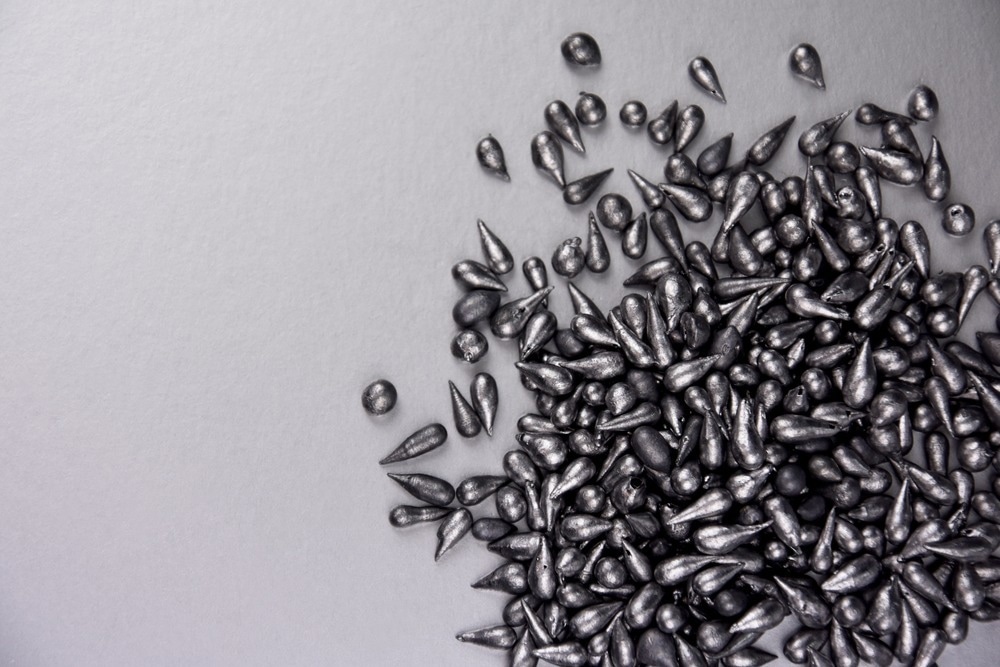
Image Credit: BeataGFX/Shutterstock.com
Even today, lead continues to serve a purpose in modern construction when projects require reliability and proven performance.
At the same time, lead requires responsible handling. As construction practices evolve and safety standards become more defined, contractors are expected to understand how lead should be managed on-site. This does not mean lead should be avoided. It means it should be used correctly, with awareness of regulations and best practices.
This article provides an overview of how lead is used in construction, where it is commonly found, and what contractors need to know to work with it safely and responsibly in Canada.
Why Lead Continues to Be Used in Construction
Lead remains relevant as few materials combine its weight, flexibility, and effectiveness. In applications where vibration control, moisture resistance, or radiation shielding are required, lead continues to perform reliably.
These properties explain why it has been used in historic buildings that still stand today and why it remains specified in certain modern projects.
In healthcare, industrial, radiography, and research facilities, lead is often used to control radiation exposure. In construction, it may also be present in older roofing systems, flashing details, or wall assemblies.
Its continued use is not accidental. It reflects a long history of dependable performance when installed and handled correctly.
The Health Risks of Lead Exposure
Long-term lead exposure is a well-documented health concern, but the risk depends heavily on how the material is handled. Lead is stable in solid form. It becomes a concern when dust or fumes are created through cutting, sanding, grinding, melting, or improper removal.
On construction sites, exposure risk typically increases during renovation or demolition work, especially in older buildings. In these cases, lead may already be present in paint layers, flashing, or plumbing components. The key issue is not the presence of lead itself, but uncontrolled disturbance without appropriate safeguards.
When work is planned correctly, lead can be handled safely using established controls that many contractors already apply to other materials.
Where Lead Is Found on Construction Sites
Knowing where to expect lead is key to controlling exposure. Common sources include:
- Painted surfaces in buildings constructed before the 1990s
- Plumbing systems that include older pipes or solder joints
- Roofing and flashing where sheet lead was used for waterproofing
- Electrical cables and insulation that use lead compounds
- Radiation shielding materials in hospitals, clinics, and industrial buildings
Before beginning any renovation, restoration, or demolition work, testing should be conducted to identify the presence of lead. Early detection helps determine the safety controls required and avoids costly project delays.
Regulatory Responsibilities in Canada
Canadian construction regulations focus on managing exposure rather than eliminating the use of lead altogether. Provincial and territorial occupational health and safety authorities provide guidance on acceptable exposure levels, worker protection, and site controls.
Every province and territory in Canada has laws designed to protect workers from exposure to lead. While details differ slightly, the general rules are consistent across the country.
1. Exposure Limits and Air Monitoring
When work may generate lead dust or fumes, employers are responsible for ensuring exposure remains below regulated limits. This may involve air sampling during certain activities.
2. Training and Worker Awareness
Workers who handle lead or work nearby must understand proper procedures. Training focuses on recognizing risk, using protective equipment, and following hygiene practices that reduce exposure.
3. Protective Equipment
Respirators, gloves, and protective clothing are used when required. These controls are common on many job sites and align with standard safety practices in construction.
4. Engineering and Work Controls
Wet cutting methods, local ventilation, and containment barriers help prevent dust from spreading. HEPA-filtered vacuums are commonly used for cleaning.
5. Waste Handling
Materials containing lead must be collected, labelled, and disposed of through approved channels. This protects both workers and the surrounding environment.
These requirements are designed to support safe use, not to prevent lead from being used where it is appropriate.
How Contractors Can Maintain Lead Safety
Many lead hazards can be avoided through proper planning and simple precautions.
Start with a Site Assessment
Before starting work, arrange for lead testing, especially in older or healthcare facilities. This identifies potential hazards and helps select the right safety measures.
Control Dust and Containment
Keep dust from spreading by sealing off the work area with plastic sheeting or temporary walls. Use wet methods when cutting or sanding materials that might contain lead.
Maintain Equipment and Training
Provide workers with HEPA vacuums, properly fitted respirators, and disposable clothing. Ensure training is kept up to date so that all team members understand the correct handling procedures.
Protect Other Workers and Spaces
Post clear warning signs, limit access to hazardous areas, and clean shared spaces regularly. These small steps can prevent accidental exposure.
For more information on how to avoid radiation inspection failure, view How to Avoid Radiation Inspection Failure with the Right Shielding Systems.
Environmental Responsibilities
Lead does not degrade naturally, which is why responsible disposal matters. When handled correctly, lead waste is safely contained and processed through licensed facilities, protecting soil, water, and surrounding communities while allowing construction projects to proceed responsibly.
It has historically been one of the most recycled construction materials. Modern recycling and disposal practices continue that tradition under stricter environmental controls.
To learn more about radiation shielding products that meet Canadian safety standards, visit the lead products section for additional information.
Using Lead Responsibly in Modern Construction
Lead has earned its place in construction through performance and reliability. Its continued use depends on informed decision-making, proper handling, and regulatory compliance.
Rather than avoiding lead entirely, contractors benefit from understanding where it is appropriate, how it should be installed, and what controls are required during construction activities. When these factors are addressed, lead remains a practical solution for specific building needs.
Conclusion
Lead remains an important material in construction when performance, durability, and shielding are required. The key is not whether lead is used, but how it is managed. Awareness, planning, and compliance allow contractors to continue using lead safely and responsibly.
For projects involving radiation protection and specialized shielding, experience matters. With over 40 years of experience in radiation protection, Ultraray is recognized as a leader in supplying compliant lead-based solutions that support safe construction practices across Canada and North America.

This information has been sourced, reviewed, and adapted from materials provided by Ultraray.
For more information on this source, please visit Ultraray.