Reviewed by Frances BriggsDec 1 2025Reviewed
Researchers give coffee waste a second life as a low-carbon replacement for sand in concrete.
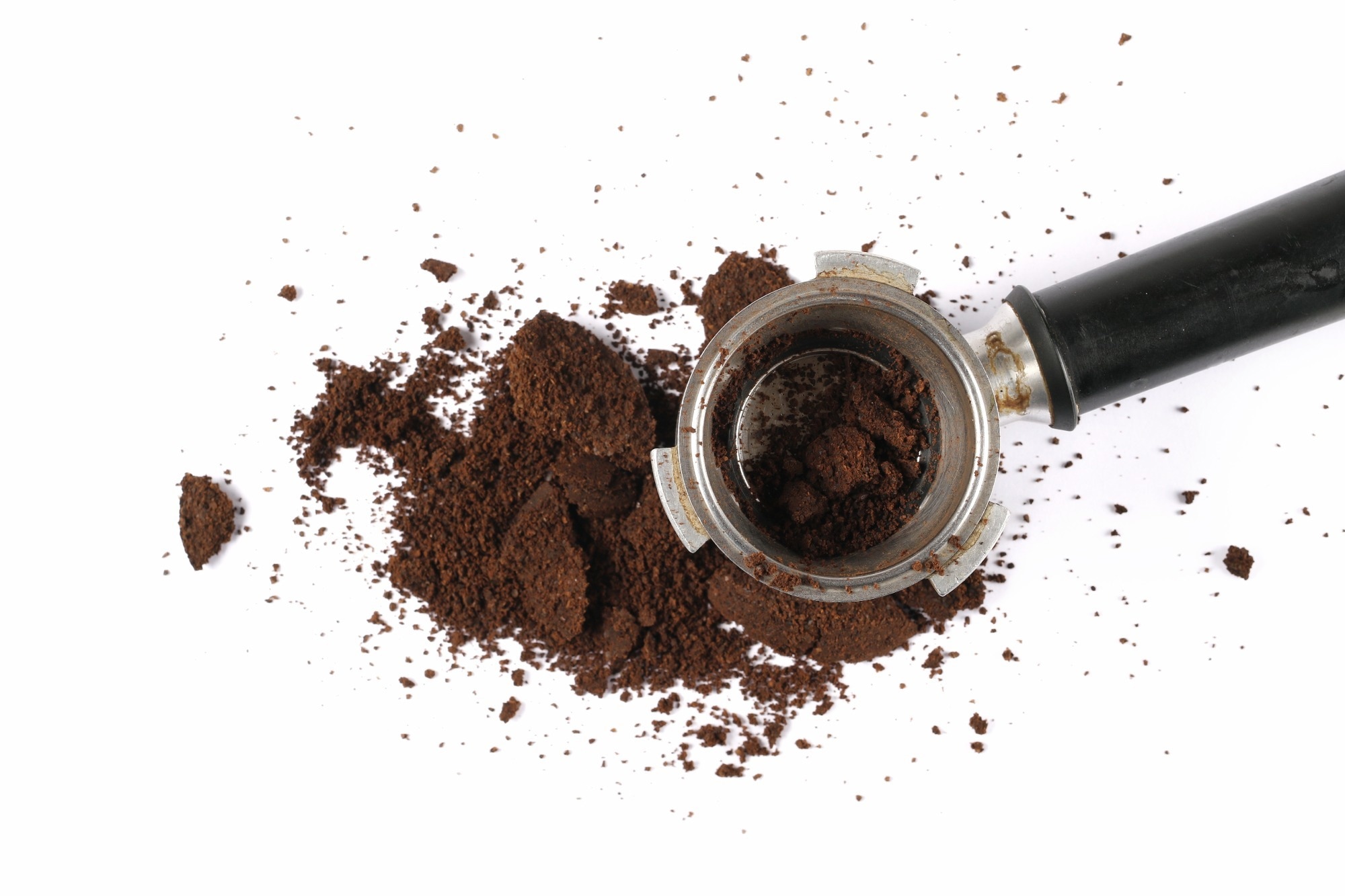 Study: Carbon footprint reduction in concrete using spent coffee grounds biochar: a life cycle perspective. Image Credit: xpixel/Shutterstock.com
RMIT researchers are developing a method to mitigate the carbon impact of infrastructure by transforming common organic waste into viable construction materials. The study was published in the International Journal of Construction Management.
A pioneering life-cycle analysis has demonstrated that biochar derived from spent coffee grounds can contribute to the production of lower-carbon concrete, concurrently validating strength enhancements observed in prior laboratory experiments.
Previous investigations by the RMIT group involved heating used coffee grounds to approximately 350 °C in an oxygen-deprived environment to yield a fine biochar.
Incorporating this biochar as a 15 % substitute for sand in concrete resulted in an approximate 30 % increase in 28-day strength, indicating a feasible strategy to alleviate demand on natural sand resources.
Expanding upon this foundational work, a recent study spearheaded by Dr. Jingxuan Zhang and Dr. Mohammad Saberian introduces a thorough life cycle assessment–a comprehensive analysis spanning from production to end-of-life, quantifying carbon emissions, resource consumption, and other environmental effects.
The findings indicate life-cycle carbon dioxide reductions of 15 %, 23 %, and 26 % when biochar replaces sand at 5, 10, and 15 % respectively. Additionally, the study reports up to a 31 % decrease in fossil fuel utilization and enhanced outcomes regarding impacts on aquatic ecosystems.
This investigation contributes to Australia's transition towards a circular economy and its net-zero objectives by converting plentiful waste into practical materials, thereby diminishing dependence on natural sand and fostering public involvement in resource recovery initiatives.
Dr. Zhang affirmed that these results reinforce the justification for implementing real-world trials.
We showed that coffee biochar can cut concrete’s carbon footprint in the scenarios we assessed, while earlier trials demonstrated strength gains using the same approach.
Dr Jingxuan Zhang, School of Engineering, RMIT
Professor Chun-Qing Li, who advised the team, stated the innovation converts organic waste into a practical component for lower-carbon infrastructure.
Using moderate amounts of coffee biochar offers a clear, measurable pathway to lower-impact concrete.
Chun-Qing Li, Professor, RMIT
Saberian reported the team's ongoing engagement with industry, along with state and local governments, concerning construction projects.
“Next steps include larger pilots, mix optimization, and alignment with standards so projects can adopt this confidently. We welcome collaboration on supply chains and field deployments,” said Chun-Qing Li.
RMIT and collaborators have even promoted the concrete in a sidewalk trial and the inaugural coffee-biochar concrete component on the Victorian Big Build. They also presented the idea via the National Gallery of Victoria’s Making Good: Redesigning the Everyday display.
Journal Reference:
Zhang, J., et al. (2025) Carbon footprint reduction in concrete using spent coffee grounds biochar: a life cycle perspective. DOI:10.1080/15623599.2025.2584549. https://www.tandfonline.com/doi/full/10.1080/15623599.2025.2584549.