Researchers have developed a bio-based asphalt binder made from algae that significantly improves pavement durability in freezing conditions while reducing carbon emissions.
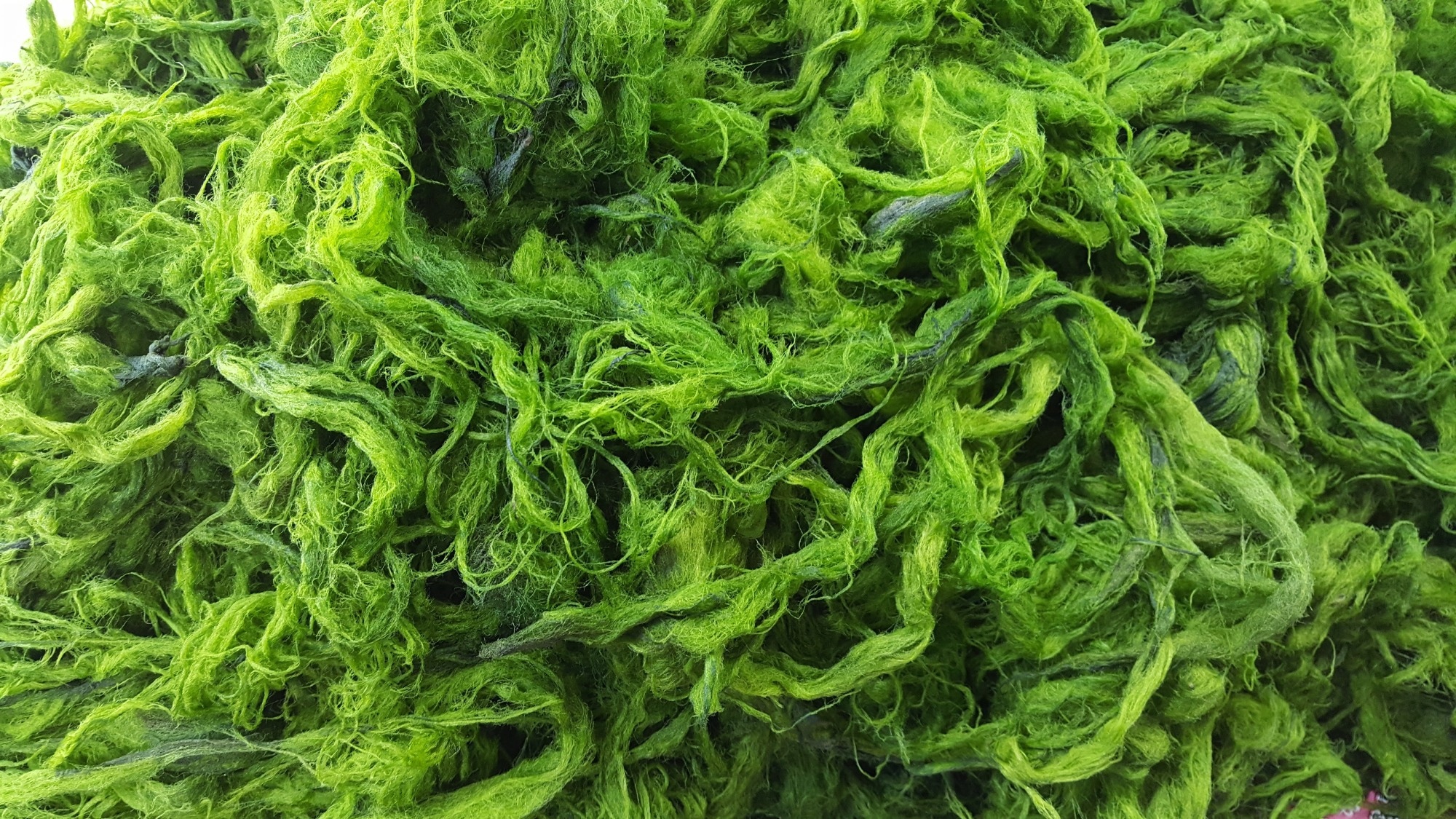
Image Credit: moonoi172/Shutterstock.com
Snow and ice take a heavy toll on paved surfaces, causing frost heaves and potholes that not only endanger drivers and pedestrians but are also expensive to repair. In search of a more resilient and sustainable solution, a team led by Elham Fini at Arizona State University turned to algae as a renewable alternative to traditional petroleum-based asphalt binders.
Algae-derived compounds can improve moisture resistance, flexibility, and self-healing behavior in asphalt, potentially extending pavement life and reducing maintenance costs. In the long term, algae asphalt could help create more sustainable, resilient, and environmentally responsive roadways.
Elham Fini, Study Team Lead, Arizona State University
Standard asphalt is held together with bitumen, a thick, glue-like substance derived from crude oil. While bitumen allows pavement to expand and contract with temperature changes, it becomes brittle in sub-zero conditions, leading to cracks and structural damage.
To address this weakness, the research team created a rubbery binder from algae oil that remains flexible even in freezing temperatures.
In earlier studies, Fini’s group demonstrated that algae oil could be refined into a bitumen-like material that performs well in cold environments. Building on that work, the team used computer modeling to evaluate oils from four different algae species.
The research team assessed how well each oil could blend with asphalt solids and retain its performance under cold stress. Of the four species tested, Haematococcus pluvialis, a freshwater green microalga, showed the most promise, offering strong resistance to deformation under simulated traffic and excellent protection against moisture-related damage.
In lab tests simulating vehicle loads and freeze-thaw cycles, asphalt samples using the H. pluvialis binder showed up to a 70 % improvement in deformation recovery compared to those made with conventional bitumen. Beyond improved performance, the environmental impact is also a major advancement: replacing just 1 % of petroleum-based binder with algae-based material could cut carbon emissions by 4.5 %. At around 22 % algae content, the pavement could potentially become carbon neutral.
Funded by the US Department of Energy, this research suggests that algae-based binders could offer a practical path toward longer-lasting, lower-emission roads, especially in cold climates where traditional asphalt is most vulnerable.
Journal Reference:
Kazemi, M., et al. (2025) Algae Asphalt to Enhance Pavement Sustainability and Performance at Subzero Temperatures. ACS Sustainable Chemistry & Engineering. DOI: 10.1021/acssuschemeng.5c03860. https://pubs.acs.org/doi/10.1021/acssuschemeng.5c03860