With sustainability in mind, scientists show how treated sisal fibers can toughen concrete, improve crack resistance, and extend lifespan under aggressive environmental conditions.
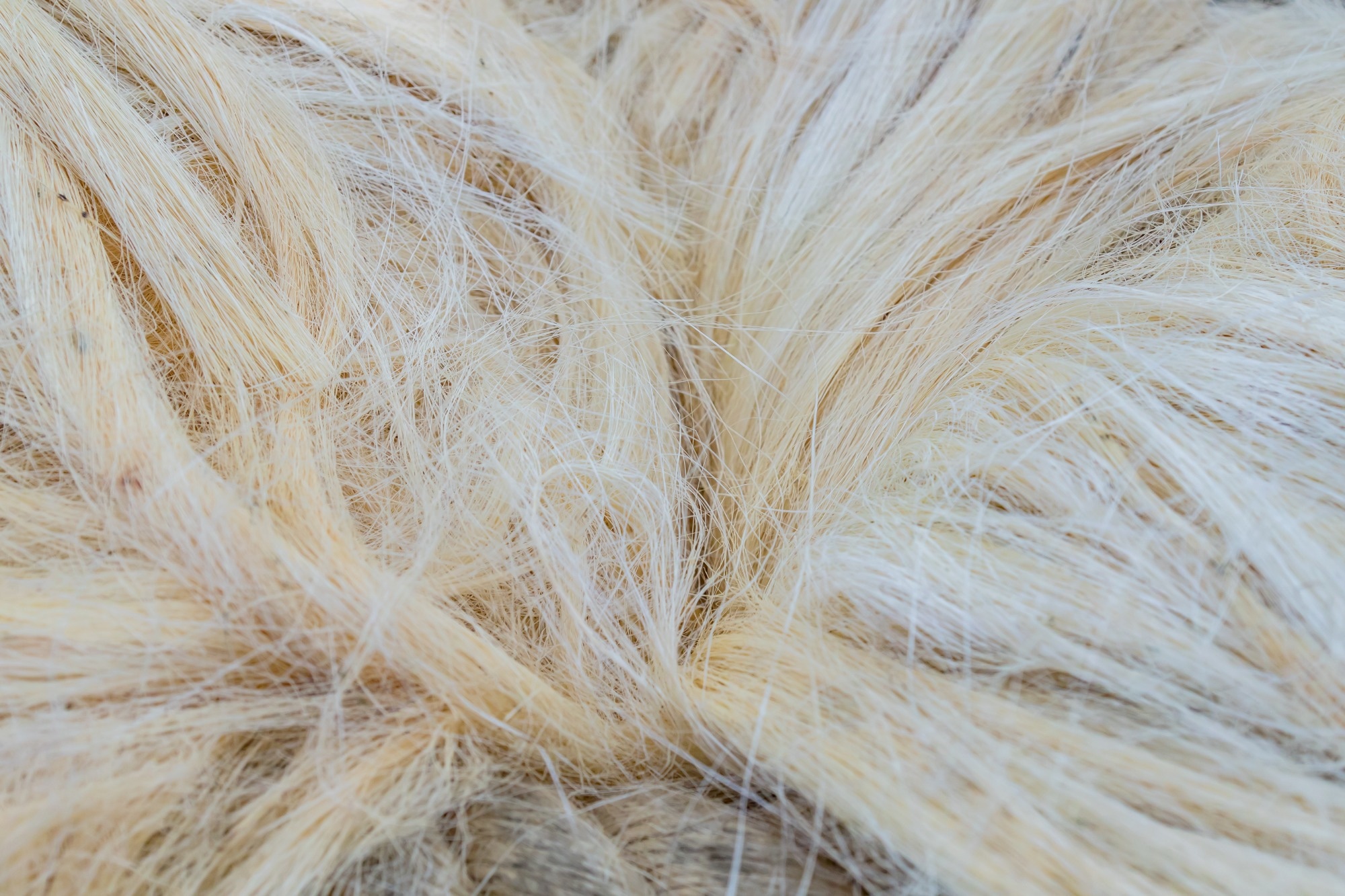
Study: Assessment of improved structural performance and degradation resistance in sisal fiber reinforced concrete incorporating eco friendly materials. Image Credit: Irina Kvyatkovskaya/Shutterstock.com
Published in Scientific Reports, the study offers a detailed look at sisal fiber-reinforced concrete (SFRC), highlighting how this natural, renewable material enhances both mechanical performance and resistance to environmental degradation. The results underscore sisal’s potential as a sustainable reinforcement, contributing to the development of more resilient and environmentally responsible construction materials.
The Role of Sustainability in Concrete Reinforcement
The construction industry is at a point where sustainability isn’t just a goal - it’s a necessity.
A major challenge today is finding ways to reduce the environmental footprint of building materials while enhancing their performance. Concrete, though widely used, often comes up short when it comes to long-term durability and tensile strength.
That gap has led researchers to explore natural, renewable alternatives. One standout is sisal fiber, derived from the Agave sisalana plant. Known for its high tensile strength and durability, sisal shows strong potential as a reinforcement material, helping to boost concrete’s ductility and reduce cracking over time.
Experimental Approach to Assessing SFRC Performance
To evaluate sisal's potential in concrete reinforcement, researchers designed an experiment using sisal fibers treated with sodium carbonate (Na2CO3). They incorporated the fibers into concrete mixes at varying percentages (0.5 % to 1.5 % by cement weight), aiming to determine the most effective dosage for boosting mechanical performance and durability.
Unlike other studies that explore supplementary cementitious materials, such as fly ash or silica fume, this research focused solely on the role of sisal fibers, making the findings particularly valuable for understanding their standalone impact.
Testing included compressive, flexural, and tensile strength measurements, along with water absorption and durability assessments. The team also used scanning electron microscopy (SEM) to study the microstructure, offering insights into how the treated fibers interact with the cement matrix.
Key Results: Mechanical Enhancements and Durability
The performance results were significant. Concrete with 1.25 % fiber content showed a 20 % increase in compressive strength over the control mix. Flexural strength improvements suggested that the fibers distributed loads more effectively, contributing to better structural integrity.
Durability tests reinforced these findings. When exposed to sulphate and chloride conditions, SFRC exhibited reduced strength loss, indicating greater resistance to chemical attack and a tighter, less permeable structure. The Na2CO3 treatment played a key role, improving the bond between the fibers and cement.
SEM images confirmed this improved bonding. Fibers were seen bridging microcracks, adding toughness and controlling crack propagation, an essential feature for concrete used in challenging environments.
What This Means for Real-World Construction
This research has significant implications for the construction industry, particularly in developing sustainable building materials.
SFRC can be used effectively in pavements, residential buildings, precast components, and even infrastructure in coastal or flood-prone areas. Its improved mechanical strength and environmental resilience make it a versatile option for both structural and non-structural elements.
Sisal also brings economic and environmental advantages. As a low-cost agricultural by-product, it reduces dependence on synthetic fibers and high-carbon materials. Longer-lasting concrete translates to fewer repairs and less material waste, an outcome that aligns well with sustainability goals and appeals to eco-conscious stakeholders.
Conclusion and Future Directions
All in all, the research team has been able to successfully demonstrate that incorporating treated sisal fibers into concrete is not just a viable option; it is, in fact, a valuable step toward more sustainable, durable construction materials.
By improving compressive and flexural strength, enhancing crack resistance, and reducing degradation under harsh environmental conditions, sisal fiber-reinforced concrete offers a practical path forward for the industry.
What sets this approach apart is its ability to balance performance with environmental responsibility. As a renewable, low-cost material, sisal helps lower the carbon footprint of concrete production while extending the service life of structures. These benefits align with growing demands for greener infrastructure without compromising structural integrity.
While further research is needed to optimize fiber content, explore hybrid mixes, and test real-world durability at scale, the foundation is already strong.
Journal Reference
Abirami, R., &. et al. (2025). Assessment of improved structural performance and degradation resistance in sisal fiber reinforced concrete incorporating eco friendly materials. Sci Rep. DOI: 10.1038/s41598-025-29811-8, https://www.nature.com/articles/s41598-025-29811-8
Disclaimer: The views expressed here are those of the author expressed in their private capacity and do not necessarily represent the views of AZoM.com Limited T/A AZoNetwork the owner and operator of this website. This disclaimer forms part of the Terms and conditions of use of this website.