A recent study explores a fresh approach to greener concrete - using lime sludge and metakaolin to reduce energy consumption and repurpose industrial waste. The research offers a practical path toward more sustainable construction materials without compromising performance.
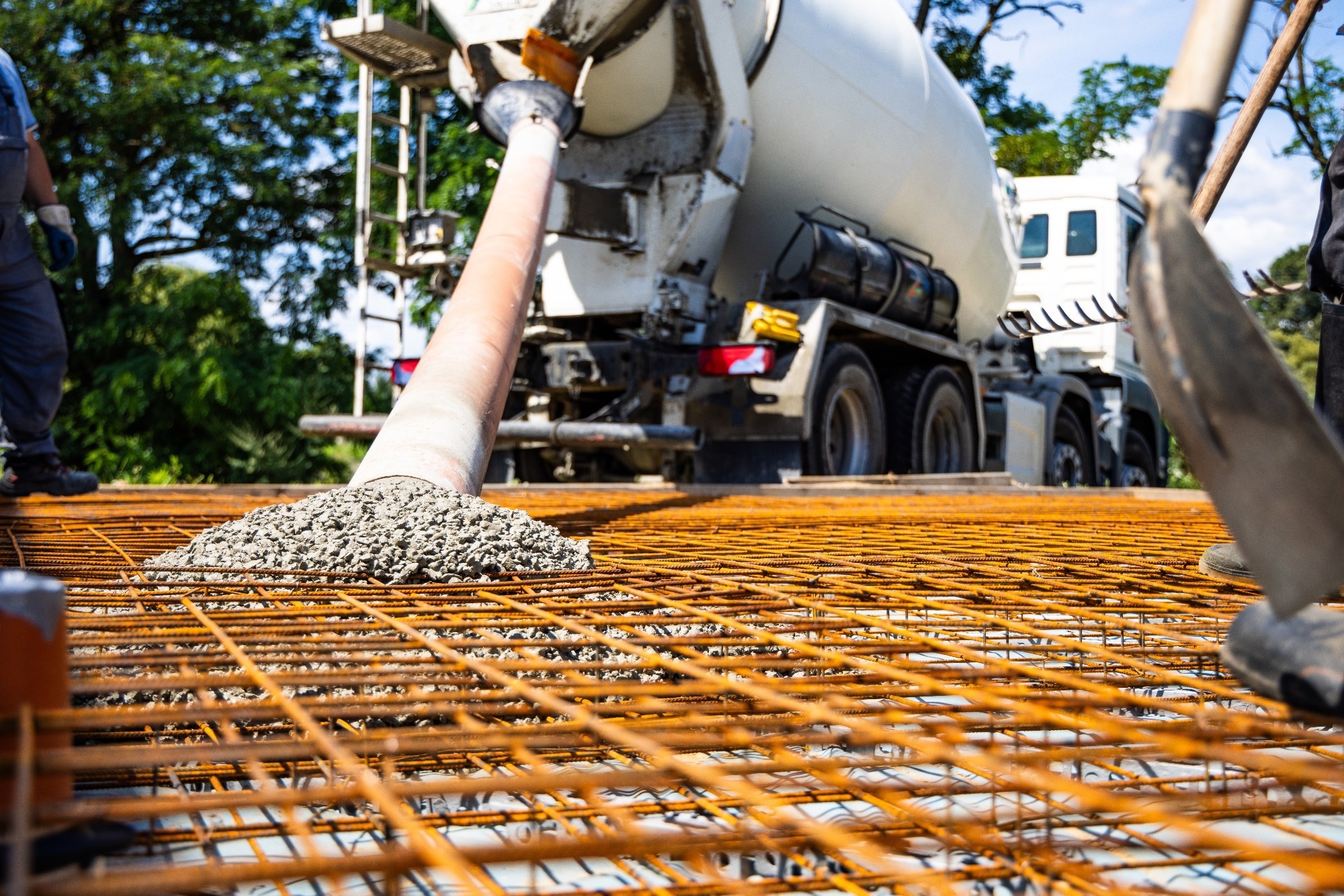
Study: Advancing sustainable concrete through lime sludge and metakaolin for reduced energy consumption and waste valorisation. Image Credit: photoschmidt/Shutterstock.com
The Concrete Problem
Concrete is everywhere - but its environmental impact is hard to ignore. The production of Portland cement, the key binding ingredient in concrete, is energy-intensive and responsible for a large share of the construction sector’s carbon emissions.
To address this challenge, scientists are investigating alternative materials that can partially replace cement. Enter lime sludge and metakaolin - two materials that are often overlooked but show real promise.
Lime sludge, a byproduct of quicklime manufacturing, usually ends up as waste. Metakaolin, on the other hand, is a refined clay known for its pozzolanic properties, meaning it reacts with calcium hydroxide to form compounds that boost concrete strength. Together, these materials tackle waste disposal issues and improve concrete’s durability - an attractive combination for sustainable building.
How the Study Was Done
Researchers set out to test whether these two materials could reliably replace a portion of Portland cement without sacrificing performance. They created concrete samples with different blends of lime sludge and metakaolin - ranging from 0 % to 15 % - and compared them to a traditional cement mix.
To measure how well each mix performed, they looked at workability (using slump tests), strength (via compressive and flexural tests), and durability (by evaluating water absorption, sulfate resistance, and freeze-thaw behavior).
For deeper insights, the team also used tools like scanning electron microscopy (SEM) and energy-dispersive X-ray spectroscopy (EDS) to analyze how the materials interacted at the microscopic level. This helped them understand not just what happened - but why.
What They Found
The results were impressive. The best-performing mix - 10 % lime sludge and 10 % metakaolin - achieved compressive strengths up to 50 MPa, outperforming the control sample made with regular cement.
This strength boost came from pozzolanic reactions, where metakaolin and lime sludge worked together to form calcium silicate hydrate, a compound that makes concrete stronger and more durable.
Durability also improved across the board. Modified mixes had lower water absorption (down from 8 % to 6.4 %) and held up better against sulfate attack, chloride ingress, and freeze-thaw damage. On top of that, lime sludge improved the fresh concrete’s flowability, making it easier to work with on-site.
From an environmental standpoint, reducing the amount of cement used in each mix means less energy consumed and fewer emissions generated. Plus, reusing lime sludge turns a waste problem into a resource - an example of circular economy principles in action.
Why It Matters
For builders and engineers, this research offers more than just theory - it’s a practical solution. By blending lime sludge and metakaolin into concrete, they can create stronger, more durable materials while also reducing their environmental impact.
The improved durability means longer-lasting structures with less need for maintenance, which translates to lower resource use over time. And the use of waste materials like lime sludge helps address industrial byproduct management - a win-win for both sustainability and performance.
This approach also supports global goals around sustainable infrastructure and urban development, particularly SDG 9 (Industry, Innovation, and Infrastructure) and SDG 11 (Sustainable Cities and Communities).
What’s Next?
While the lab results are promising, the next step is testing these mixes in real-world conditions. Future research should explore how these materials perform over the long term in different climates, how various curing methods affect outcomes, and how to fine-tune mixes for specific use cases.
Scaling up for industry use will require collaboration between researchers, construction professionals, and policymakers. Standards and guidelines will need to evolve to encourage the wider adoption of these more sustainable materials.
Journal Reference
Chouksey, A. et al. (2025). Advancing sustainable concrete through lime sludge and metakaolin for reduced energy consumption and waste valorisation. Sci Rep. DOI: 10.1038/s41598-025-28144-w, https://www.nature.com/articles/s41598-025-28144-w
Disclaimer: The views expressed here are those of the author expressed in their private capacity and do not necessarily represent the views of AZoM.com Limited T/A AZoNetwork the owner and operator of this website. This disclaimer forms part of the Terms and conditions of use of this website.