A University of Córdoba research team has produced durable paving blocks made entirely from recycled mollusk shells, mining residues, and fly ash, offering a lower-carbon alternative to conventional cement-based construction materials.
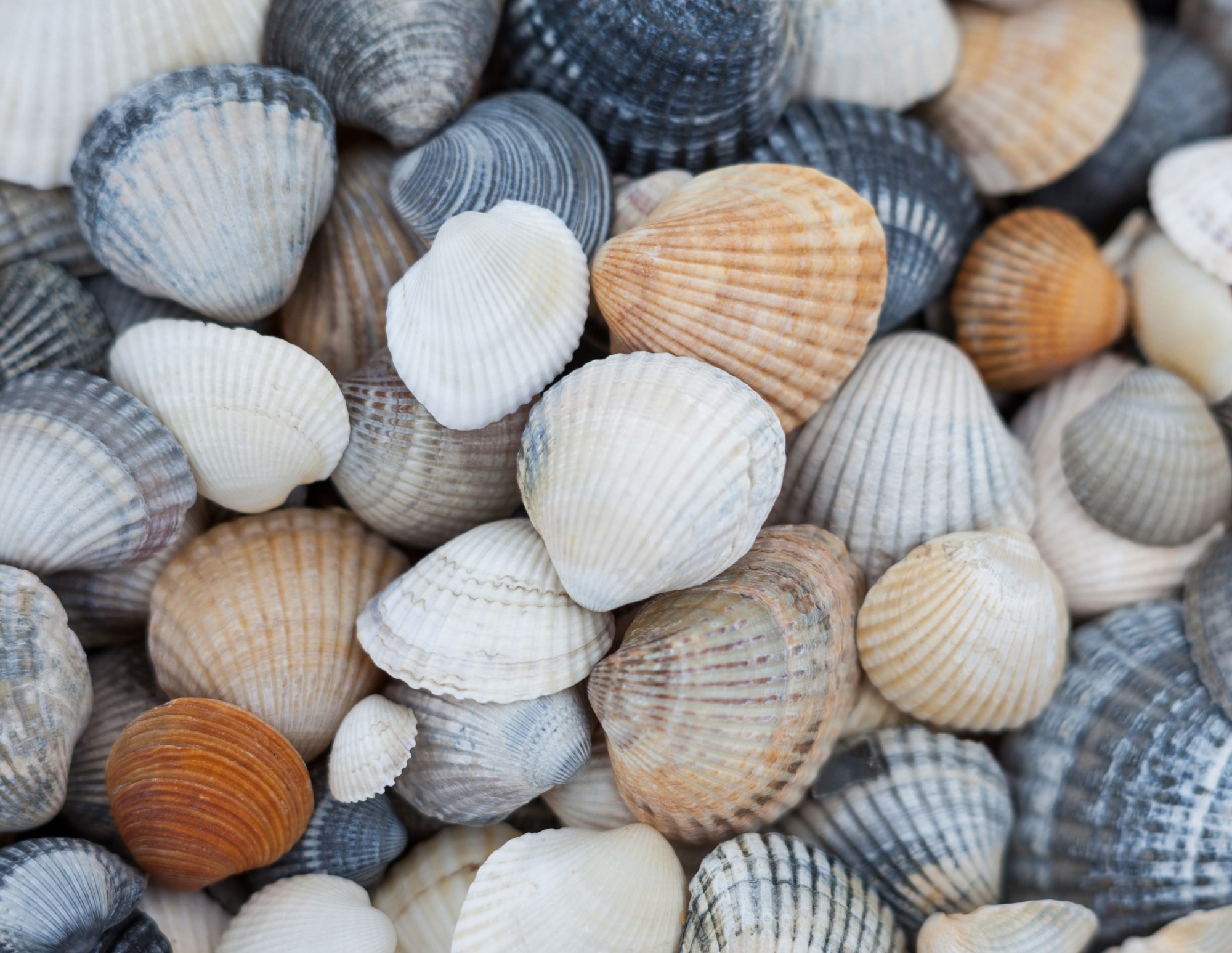
Study: CO2-cured alkali-activated pervious paving blocks incorporating seashell sand. Image Credit: rootstock/Shutterstock.com
The construction sector is responsible for a significant share of global carbon emissions, and finding more sustainable materials has become a growing priority. In a recent study published in Materials and Structures, researchers describe a paving block produced entirely from recycled waste streams, including mollusk shells and mining by-products.
The work shows how materials normally discarded by other industries can be repurposed into functional construction products while reducing the environmental impact associated with conventional building materials.
Turning Waste into Building Materials
The research was carried out at the University of Córdoba’s Belmez Higher Polytechnic School by a team led by researcher Ágata González Caro. Their goal was to design a paving material that could replace both conventional aggregates and Portland cement with recycled alternatives.
Crushed mollusk shells from the edible clam species Acanthocardia tuberculata, widely processed by the canning industry, were used as the primary aggregate. The shells act as a calcareous material similar to traditional aggregates, allowing them to perform a comparable structural role in the paving block.
Using shell waste in this way helps reduce landfill disposal while lowering the demand for natural materials such as sand and gravel.
To remove Portland cement from the mixture, the researchers incorporated industrial by-products, including mining waste from a spoil heap in the Guadiato Valley and fly ash produced during coal combustion. These materials were converted into a cement-like binder through a process known as alkaline activation, in which highly alkaline solutions trigger chemical reactions that create binding compounds similar to those found in conventional cement.
The final product is a pervious paving block, meaning it contains interconnected pores that allow water to pass through the surface. Importantly, the material is produced without natural aggregates or conventional cement. The blocks were tested for mechanical strength, durability, and safety to ensure they meet construction requirements.
Strong Performance With Environmental Benefits
Tests showed that the recycled paving blocks demonstrated solid mechanical performance and durability, indicating that waste-derived materials can function effectively as substitutes for traditional construction inputs.
Using crushed mollusk shells reduces reliance on natural aggregates while giving new value to waste generated by the seafood processing industry. At the same time, the alkaline activation of mining residues and fly ash produces a durable binder without the high emissions associated with conventional cement production.
The pervious design also offers practical benefits. Because water can pass through the paving surface, the material may improve drainage and reduce surface runoff compared with conventional impermeable paving systems.
Supporting Circular Construction
As demand grows for lower-carbon construction materials, the study highlights how waste streams from different industries can be incorporated into building products. By replacing both natural aggregates and Portland cement, the research shows how industrial by-products can be turned into useful infrastructure materials.
The approach aligns with broader circular economy strategies that focus on reducing waste and extending the lifecycle of materials through reuse.
Future Work
The researchers note that further work will focus on refining the production process, particularly improving compaction and demolding techniques. They also plan to investigate greener alkaline activators that could further reduce the environmental footprint of the material.
If successful, these improvements could help make recycled paving materials more practical for wider construction use.
Journal Reference
González-Caro, Á., & et al. (2026). "CO2-cured alkali-activated pervious paving blocks incorporating seashell sand." Materials and Structures 59, 23. DOI: 10.1617/s11527-025-02912-6, https://www.uco.es/ucci/es/noticias-ingles/item/5449-recycled-paving-block
Disclaimer: The views expressed here are those of the author expressed in their private capacity and do not necessarily represent the views of AZoM.com Limited T/A AZoNetwork the owner and operator of this website. This disclaimer forms part of the Terms and conditions of use of this website.