*Important notice: This news reports on an unedited version of the paper which has been accepted. and is awaiting final editing. Scientific Reports sometimes publishes preliminary scientific reports that are not fully edited and, therefore, should not be regarded as conclusive or treated as established information.
Aluminum dross partially replacing cement improves long-term durability under sulfuric acid exposure despite reduced early strength. The material refines pore structure and supports sustainable, resilient infrastructure in chemically aggressive environments.
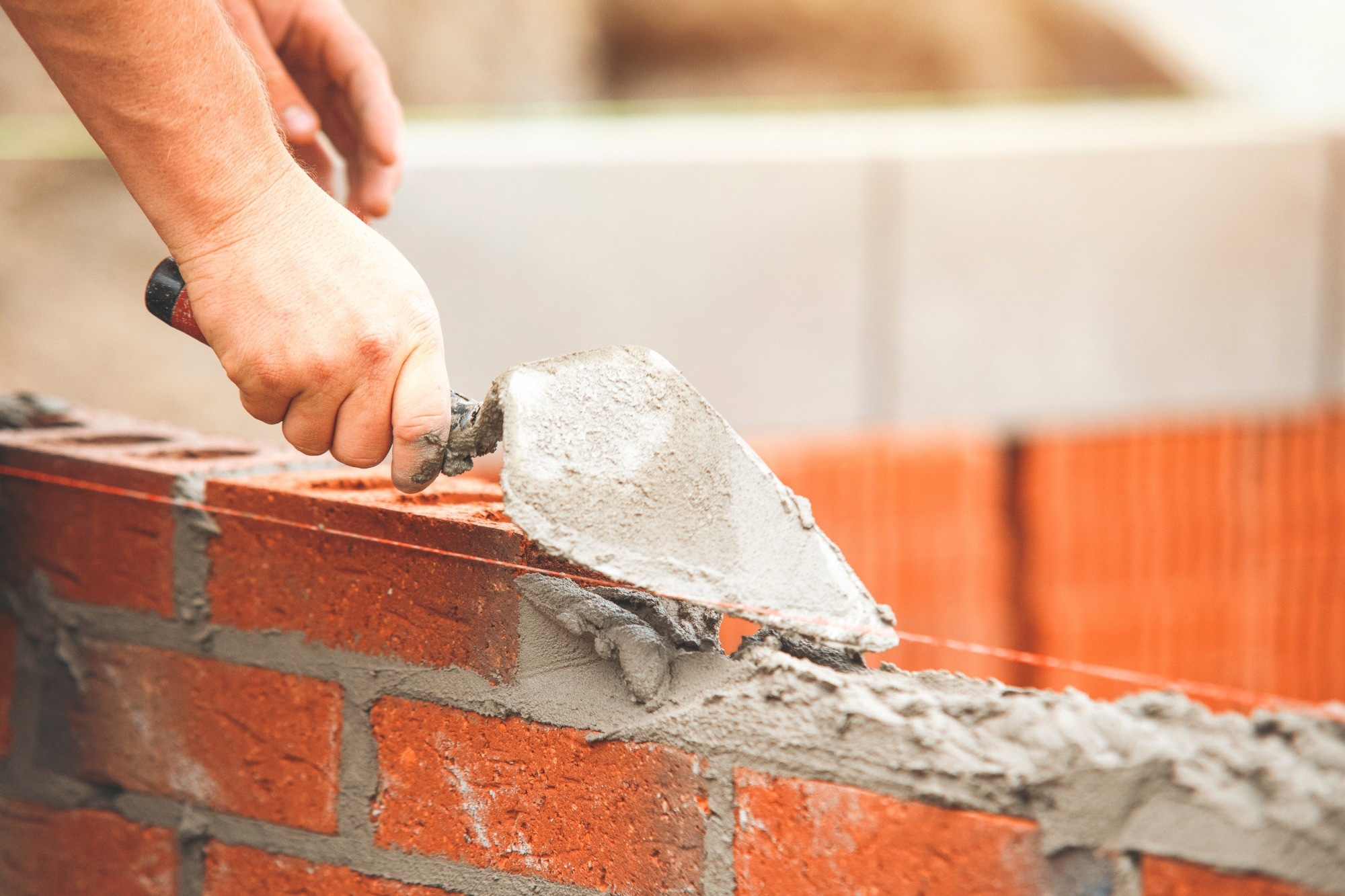 Study: Mechanical performance of eco-friendly cement mortar incorporating aluminum dross under acidic exposure. Image Credit: Irene Miller/Shutterstock
Urban infrastructure is increasingly vulnerable to chemical degradation, especially from acid rain in highly industrialized regions. A recent study published in the journal Scientific Reports explored the use of aluminum dross as a partial replacement for Portland cement. This approach repurposes hazardous industrial waste into a functional construction material.
The findings demonstrate that while early strength is slightly reduced, long-term durability improves significantly under sulfuric acid (H2SO4) exposure. This offers a promising pathway for developing more resilient and sustainable building materials.
Sustainable Binders in Modern Construction
The construction sector faces growing pressure to reduce its carbon footprint. Cement production remains a major source of global carbon emissions, necessitating the search for alternative binders that maintain performance while improving sustainability.
At the same time, the aluminum industry produces large volumes of aluminum dross or "black slag". This waste is often landfilled, where it can release toxic substances and harmful gases when exposed to moisture. Reusing such materials within a “circular economy” offers clear benefits. It reduces environmental risks and lowers dependence on Portland cement.
Using aluminum dross as a supplementary cementitious material supports cleaner technologies and more efficient use of resources. This approach helps move the construction industry toward lower emissions and more sustainable infrastructure development.
Framework for Waste-Integrated Mortar Development
Researchers designed a controlled experimental program to evaluate aluminum dross as a cement substitute under extreme weather conditions. The mixes used Type II Portland cement and crushed sand, with aluminum slag sourced from Arak, Iran. The slag was washed, dried at 110°C for 24 hours, and sieved to 150 µm to match cement fineness.
A total of 168 specimens were fabricated, including 84 cubic samples for compressive testing and 84 prism samples for flexural testing. Cement was replaced at 0%, 5%, 10%, and 15%. All samples were cured in water for 28 days, then exposed to a H2SO4 solution at pH (potential of hydrogen ion) 1.5 to simulate harsh industrial chemical exposure.
Chemical composition was analyzed using X-ray Diffraction (XRD), identifying key phases such as aluminum oxide (Al2O3), alongside nickel silicate (Ni2SiO4), quartz (SiO2), and calcium carbonate (CaCO3). Testing was conducted at intervals of 3, 7, 14, 28, 56, and 90 days using compression and flexural testing machines. This timeline allowed researchers to observe the progressive deterioration of the cementitious matrix and identify the exact point at which the aluminum dross began to provide a protective advantage over traditional mortar.
Download the PDF of this page here
Durability Under Sulfuric Acid Attack
The study highlights the severe impact of acidic environments on conventional construction materials. Control specimens (0% slag) showed rapid degradation. Compressive strength dropped by approximately 39% after 14 days of acid exposure and reached nearly 80% loss by 90 days, leaving only a fraction of the original load-bearing capacity.
Aluminum dross introduced a performance trade-off. Before exposure, the 15% mix showed 28.3% lower compressive strength than the control. However, under acidic conditions, slag-modified mortars exhibited greater durability. Specimens with 10% and 15% slag resisted deterioration more effectively. After 28 days, the flexural strength of the 10% mix exceeded that of the control by 11.3%. Mass loss followed a similar trend. It remained moderate in the first 14 days but accelerated afterward, with losses exceeding 55% by day 90.
Improved performance is attributed to “pore refinement” and to reduced available calcium hydroxide content, which limits acid attack. Statistical regression analysis confirmed that while exposure time drives degradation, slag addition slows internal microstructural damage.
Implementations in Polluted Urban Areas
This research has significant implications for urban and industrial environments exposed to acid rain. Structures such as facades, bridge piers, and foundations are especially vulnerable to chemical attack. Using mortar with 10-15% aluminum slag can improve durability and extend service life, thereby reducing maintenance costs.
The approach is particularly effective for building envelopes, which serve as the first barrier against environmental stress. It is also well-suited for industrial facilities, including wastewater plants and chemical storage, where exposure to corrosive conditions is constant.
In addition, these materials support sustainability goals. They can contribute to green building certifications like LEED and BREEAM by reducing waste and embodied carbon. This makes them a practical option for environmentally focused construction projects.
Conclusion and Future Directions
In summary, this study demonstrates that aluminum dross can serve as a viable additive in sustainable cement mortars. Although early strength is reduced, improved acid resistance and mass stability support its use in aggressive environments. A replacement level of up to 15% offers an effective balance between performance and durability.
This approach effectively addresses industrial waste management while providing a practical solution for enhancing infrastructure resilience. Future work should focus on further examining long-term environmental safety, particularly heavy metal leaching over the material’s life cycle. Exploring the combination of aluminum slag with materials such as fly ash or silica fume will improve early strength. Overall, waste-to-resource strategies like this will play an important role in developing durable and sustainable urban infrastructure.
Journal Reference
Dastan Diznab, M., & et al. (2026). Mechanical performance of eco-friendly cement mortar incorporating aluminum dross under acidic exposure. Sci Rep. DOI: 10.1038/s41598-026-45728-2, https://www.nature.com/articles/s41598-026-45728-2
Disclaimer: The views expressed here are those of the author expressed in their private capacity and do not necessarily represent the views of AZoM.com Limited T/A AZoNetwork the owner and operator of this website. This disclaimer forms part of the Terms and conditions of use of this website.