Graphene oxide nanocoatings could offer a practical, low-dose way to address the durability limitations that have long restricted the use of recycled construction materials.
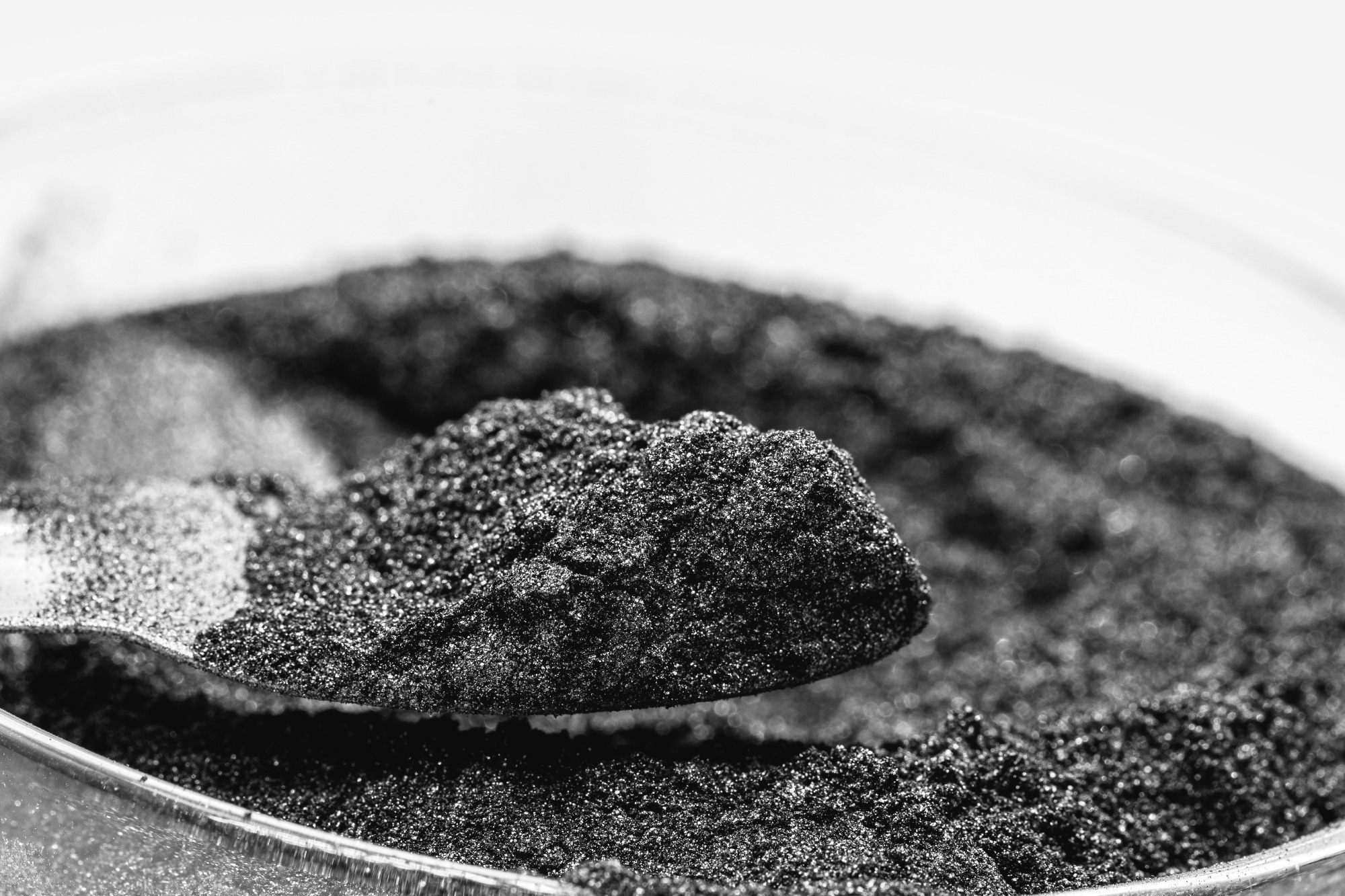
Study: Performance improvements of recycled concrete and ceramic aggregates using graphene oxide nanocoating. Image Credit: RHJPhtotos/Shutterstock.com
The use of recycled concrete and ceramic aggregates has gained traction as a strategy to reduce construction and demolition waste (CDW) and its environmental impact. A recent study published in Scientific Reports explores how applying a graphene oxide (GO) nanocoating can enhance the performance of these materials.
The results show clear improvements in durability and reduced water absorption, with decreases of 19 % for recycled concrete aggregates (RCA) and 25 % for recycled ceramic aggregates. These findings point to a promising route for improving material performance while supporting circular economy practices through the reuse of waste-derived resources.
Addressing Sustainability Challenges in Construction
The construction sector remains a major contributor to global waste, with CDW accounting for roughly 35 % of total waste and 40 % of related emissions. Recycled aggregates derived from CDW present a more sustainable alternative to natural aggregates by reducing the need for raw material extraction. However, their higher porosity and the resulting increase in water absorption continue to limit their suitability, particularly in structural concrete applications.
Graphene oxide, a derivative of graphene, offers a set of properties well-suited to addressing these challenges, including high surface area, mechanical strength, and chemical stability.
When applied as a nanocoating, GO alters the surface characteristics of recycled aggregates, helping to reduce microporosity and limit water ingress. This, in turn, contributes to improved durability and broader usability.
Methodology for Evaluating GO Nanocoating
The study focused on recycled concrete and ceramic aggregates sourced from a CDW recycling plant in León, Spain, with material properties assessed according to European standards.
The treatment process involved immersing the aggregates in a GO dispersion (0.5 mg/mL), prepared using a modified Hummers method to produce single-layer GO flakes. After immersion, the aggregates were dried at 70 ± 5 °C for 48 hours to form a consistent nanocoating. A slight reduction in aggregate weight was observed following treatment, likely due to the removal of adhered fine particles during immersion.
Performance evaluation included water absorption testing, resistance to ultrasonic (sonication) cycles, and surface analysis using scanning electron microscopy (SEM). Mercury intrusion porosimetry (MIP) was also used to examine pore size distribution, with results indicating a reduction in microporosity after treatment.
Key Performance Improvements Observed
The application of GO nanocoating led to measurable improvements in the physical properties of the recycled aggregates. Water absorption decreased by 19 % for recycled concrete aggregates and 25 % for recycled ceramic aggregates, indicating a stronger resistance to water ingress. This behavior is consistent with a pore-filling effect, where a uniform GO layer reduces accessible porosity at the surface.
Ultrasonic testing provided further evidence of improved durability. Weight loss during testing decreased by 17 % for concrete aggregates and 25 % for ceramic aggregates, suggesting strong adhesion between the GO coating and the aggregate surface. This also points to a consolidating effect, where the coating helps stabilize the material under stress.
These findings suggest that GO-coated recycled aggregates could be used more effectively in concrete production, road construction, and other applications where durability is critical. The immersion-drying treatment appears compatible with existing recycling workflows, offering a relatively straightforward way to enhance material quality at scale.
Importantly, the required GO dosage is low (0.5 mg/mL), with estimated costs of approximately €0.8–1.2 per ton of aggregates under current conditions. This relatively modest material input may support economic feasibility, although overall costs and scalability will depend on production capacity and market conditions.
Conclusion and Future Directions
Overall, the study shows that GO nanocoating can improve the performance of recycled concrete and ceramic aggregates by reducing water absorption and increasing resistance to degradation. These enhancements could support wider adoption of recycled materials in construction and contribute to more sustainable resource use.
However, further research is needed to assess long-term durability and mechanical performance in real concrete systems, as well as interactions with cementitious matrices. Evaluating how well GO coatings persist through repeated recycling cycles will also be important in determining the long-term practicality of this approach.
Journal Reference
Antolín-Rodríguez, A., & et al. (2026). Performance improvements of recycled concrete and ceramic aggregates using graphene oxide nanocoating. Sci Rep. DOI: 10.1038/s41598-026-42362-w, https://www.nature.com/articles/s41598-026-42362-w
Disclaimer: The views expressed here are those of the author expressed in their private capacity and do not necessarily represent the views of AZoM.com Limited T/A AZoNetwork the owner and operator of this website. This disclaimer forms part of the Terms and conditions of use of this website.