Bio-based construction materials, designed to advance low-carbon building practices across Europe, have had their performance compared. Several material categories were assessed using a multi-criteria framework that considers social, economic, and environmental performance to identify the most promising near-term solutions for sustainable construction. The findings were published in Sustainability.
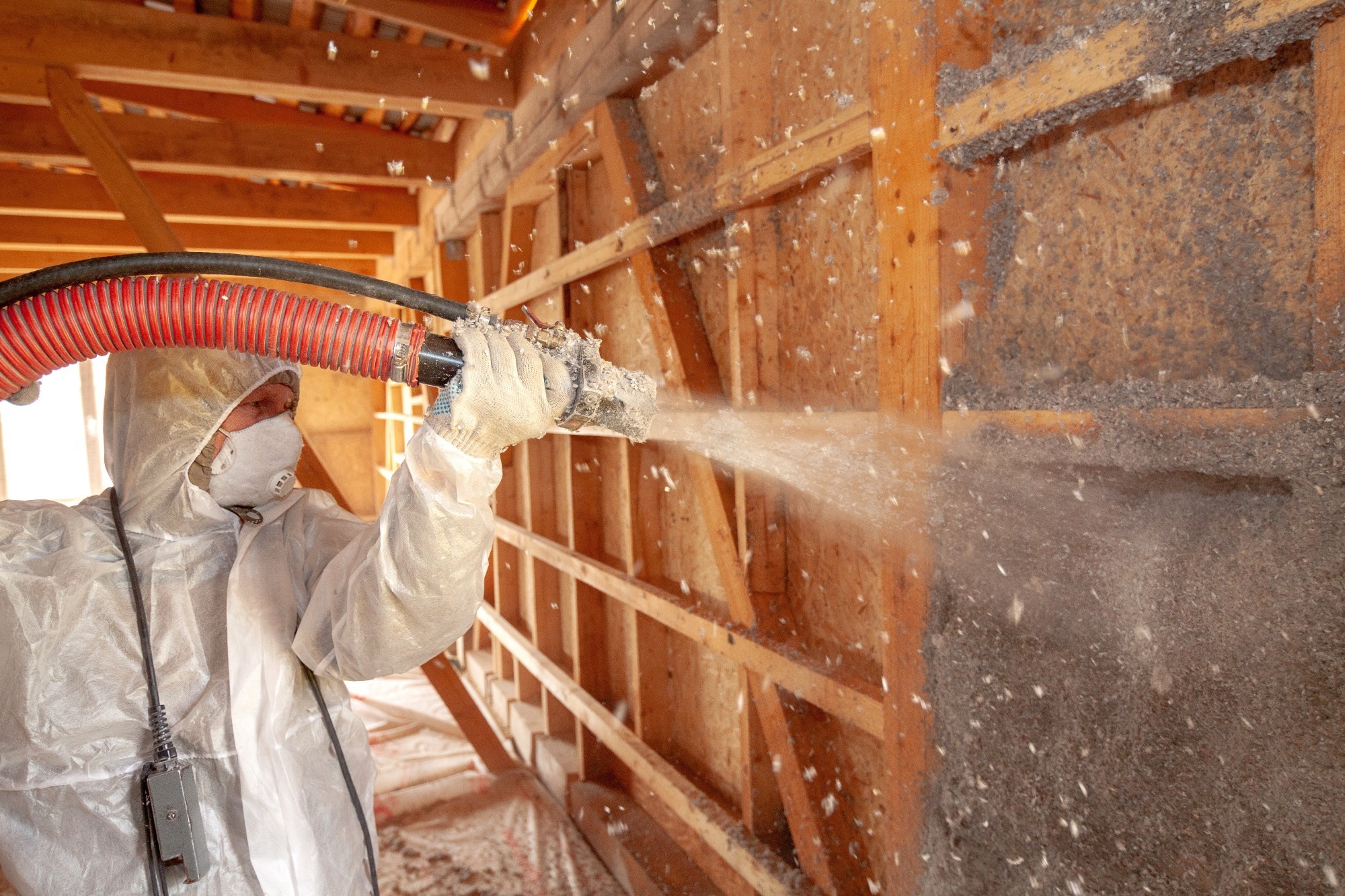 Study: Comparative Performance of Bio-Based Construction Materials in Europe: A Multi-Criteria Decision Analysis. Image Credit: Kurteev Gennadii/Shutterstock.com
Need for Assessment of Sustainable Construction Materials
The European construction sector plays a central role in the region’s energy consumption and carbon emissions. Buildings account for a large share of lifecycle greenhouse gas emissions, making decarbonization a key priority for policymakers.
Recent initiatives such as the European Green Deal and the revised Energy Performance of Buildings Directive have intensified efforts to reduce the environmental impact of construction materials.
No time now? Download a PDF and finish later.
Bio-based materials have gained attention as sustainable alternatives, with researchers extensively studying the environmental performance of individual bio-based materials. However, most investigations focus on specific products rather than comparing multiple materials within a common evaluation framework.
As a result, decision-makers often lack a clear understanding of how different materials perform across a broader range of criteria.
Many studies emphasize environmental performance but pay less attention to the practical factors that drive widespread adoption. To address these gaps, the recent study evaluates seven bio-based material categories using a structured multi-criteria decision analysis framework.
The assessment examines the robustness of material rankings under different policy priorities and uncertainty scenarios, providing a stronger foundation for future material and policy decisions.
Comparing Emerging and Established Bio-Based Systems
The study adopts a multi-criteria assessment approach to examine how different bio-based materials perform across key sustainability and market metrics. Environmental criteria include embodied carbon, carbon sequestration, fire compatibility, and seismic suitability.
The economic assessment examines supply chain maturity, cost competitiveness, scaling potential, and job creation. Social criteria focus on indoor air quality, thermal comfort, renovation suitability, and affordability.
Wood fiber and cellulose insulation achieved the highest overall ranking in the equal-weighting scenario. Their strong performance reflects mature European supply chains, proven durability, and effective thermal insulation properties.
However, when environmental conditions were prioritized, expanded cork agglomerates were seen as the best option. These materials demonstrate exceptional environmental credentials, regenerative carbon sequestration, and favorable fire performance.
Hemp-lime composites also emerge as a leading option due to their ability to store carbon, regulate moisture, and support the renovation of historic buildings.
The authors emphasize that wood fiber, cellulose insulation, expanded cork agglomerates, and hemp-lime composites together form a complementary portfolio for near-term solutions.
The review further highlights the importance of mass timber systems, including cross-laminated timber (CLT) and glued laminated timber (Glulam), which can replace conventional structural materials in many building applications. Straw bale systems are seen to provide excellent insulation but face moisture and adoption challenges.
Emerging materials such as mycelium composites and cellulose aerogels show strong potential but still face challenges related to durability, scalability, and cost.
Key Insights Driving Future Material Selection
The reviewed studies indicate that each bio-based material offers unique strengths and limitations. Performance varies across building types, climate conditions, and functional requirements. As a result, a portfolio-based approach offers the most practical pathway for decarbonizing the built environment.
Wood fiber insulation, cork, and hemp-lime composites emerge as the strongest candidates for sustainable construction. Each material offers distinct advantages, ranging from carbon storage and supply chain maturity to moisture regulation and compatibility with renovation. Together, they form a complementary portfolio for advancing low-carbon building design.
The review also highlights emerging challenges linked to climate change. Wildfire risk continues to increase across Southern Europe, yet current fire classification standards focus primarily on indoor fire scenarios.
Hemp-lime composites, cork, and cellulose aerogels may offer advantages in wildfire-prone environments based on their fire performance characteristics. However, the authors specify that dedicated wildland-urban interface (WUI) testing standards remain underdeveloped.
The review also highlights the importance of supply chain resilience: i.e., conventional insulation products rely on petrochemical feedstocks, whereas many bio-based materials leverage forest and agricultural resources. This distinction strengthens both sustainability and supply security.
Durability remains a key determinant of market adoption. Materials with proven long-term performance are ready for broader deployment, while emerging technologies require further validation.
Building the Foundation for a Bio-Based Construction Future
The review demonstrates that bio-based materials can play a significant role in reducing the environmental impact of the European construction sector. The findings highlight a portfolio of solutions suited to different building applications and regional needs.
The analysis also shows that environmental performance alone does not guarantee widespread adoption. Durability, fire resilience, supply chain maturity, economic viability, and regulatory support all influence the successful deployment of bio-based materials.
The review identifies several priorities for future research and development. Researchers require more long-term durability data, improved lifecycle assessment frameworks, and standardized testing methods that better capture the performance of bio-based materials.
Emerging technologies such as cellulose aerogels and mycelium-based composites also require further advances in scalability, cost reduction, and commercial readiness.
Overall, the findings suggest that bio-based materials are well-positioned to support the transition toward low-carbon construction. Continued technological innovation, combined with supportive policies and targeted investment, can accelerate their adoption and help create a more sustainable, resilient, and resource-efficient built environment across Europe.
Journal Reference
Pacheco-Torgal, F., Chindaprasirt, P., 2026. Comparative Performance of Bio-Based Construction Materials in Europe: A Multi-Criteria Decision Analysis. Sustainability, 18(11), https://www.mdpi.com/2071-1050/18/11/5508
Disclaimer: The views expressed here are those of the author expressed in their private capacity and do not necessarily represent the views of AZoM.com Limited T/A AZoNetwork the owner and operator of this website. This disclaimer forms part of the Terms and conditions of use of this website.