*Important notice: This news reports on an unedited version of an accepted paper and is awaiting final editing. Therefore, the paper should not be regarded as conclusive or treated as established information.
A recent study published in Scientific Reports explores whether microbial-induced calcium carbonate precipitation (MICP) can improve recycled aggregate concrete produced and cured using seawater. By modifying recycled concrete and brick aggregates with Bacillus pasteurii, the researchers evaluated compressive strength, crack-healing performance, and microstructural development. The findings demonstrate that seawater-compatible microbial treatment can improve the quality of recycled aggregate, promote crack self-healing, and support more sustainable concrete construction.
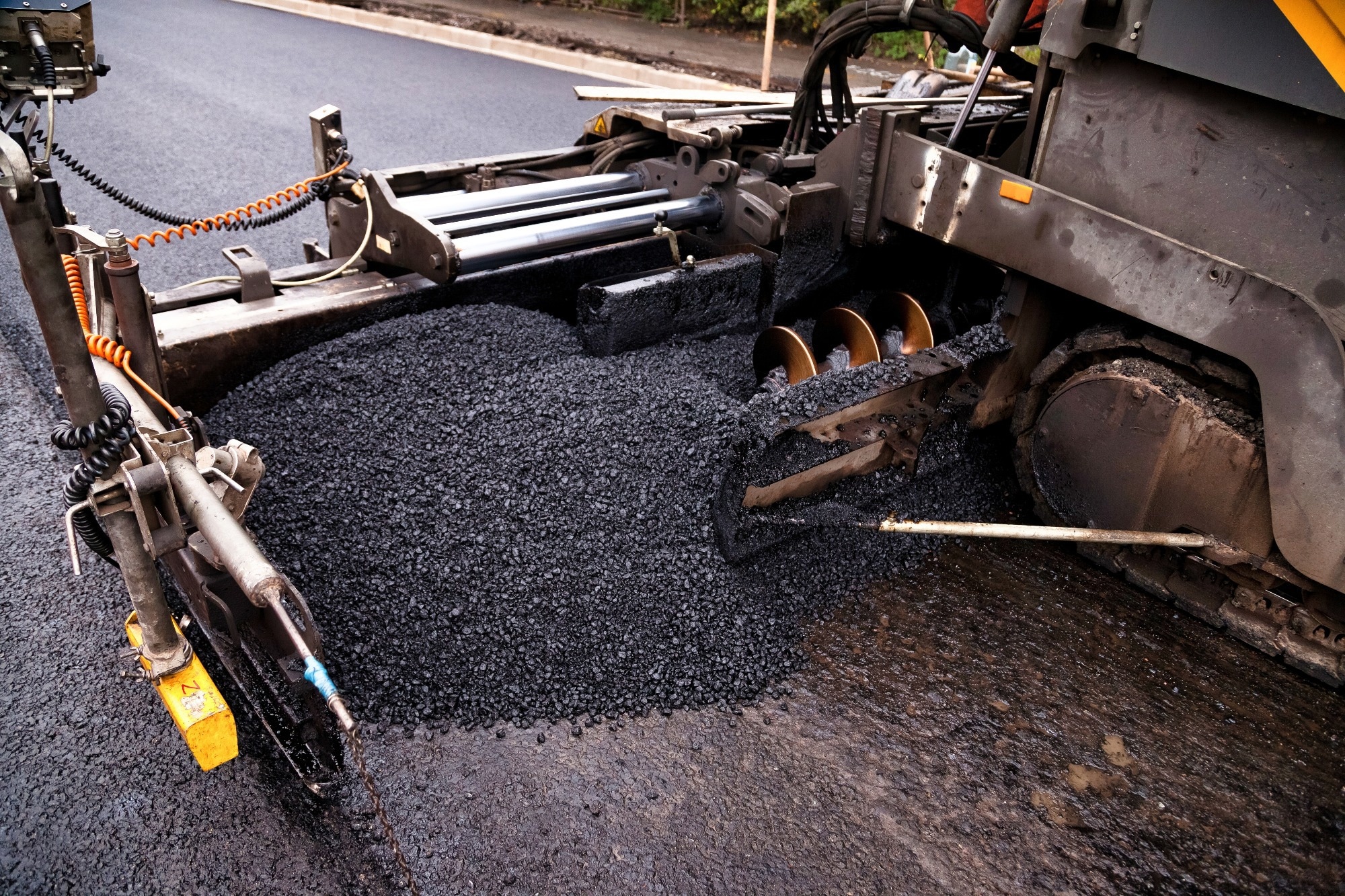
Image Credit: Alex Vog/Shutterstock.com
Advancing Sustainable Concrete for Marine Infrastructure
Concrete is the world's most widely used construction material, but producing it consumes vast amounts of natural resources and generates significant carbon emissions.
The growing demand for freshwater in concrete production has also become a major concern, particularly in water-scarce regions. These challenges have encouraged researchers to explore seawater as an alternative for mixing and curing concrete used in coastal infrastructure, offshore facilities, remote islands, and emergency construction.
Although seawater offers clear environmental benefits, it also creates durability challenges. Chloride and sulfate ions can accelerate steel corrosion, trigger harmful chemical reactions, and increase the risk of cracking over time. These effects shorten the service life of marine concrete and make repairs both difficult and costly.
Microbially induced calcium carbonate precipitation (MICP) could overcome these limitations. The process uses beneficial bacteria, such as Bacillus pasteurii, to produce calcium carbonate that naturally fills pores and seals cracks in concrete.
This study investigates whether recycled concrete and brick aggregates can act as microbial carriers while improving concrete performance and self-healing in marine environments.
Click here to download a PDF copy of this page
Engineering Recycled Aggregates Through Microbial Mineralization
The study used recycled concrete coarse aggregates (RCA) and recycled brick coarse aggregates (BCA) collected from demolition waste. Their highly porous structure makes them suitable carriers for bacteria because the internal voids provide space for microbial growth and mineral formation.
The researchers tested six aggregate treatment methods using Bacillus pasteurii solutions prepared with freshwater and saltwater at different salinity levels. They assessed each treatment by measuring changes in saturated surface dry weight and water absorption. The best results were obtained by immersing the aggregates for 24 hours in a bacterial solution prepared with saltwater matching natural seawater salinity.
Next, the team produced concrete using both modified and untreated recycled aggregates. Some specimens used freshwater for mixing and curing, while others combined freshwater mixing with seawater curing or used seawater throughout both processes. Cylindrical specimens underwent compressive strength testing after 7, 28, and 56 days.
The researchers introduced controlled surface cracks using a splitting tensile test after different curing periods. They then air-cured the cracked specimens for up to 91 days and monitored crack closure over time. Finally, scanning electron microscopy (SEM) and energy-dispersive spectroscopy (EDS) revealed how microbial mineralization formed calcium carbonate within the concrete and identified the mineral phases responsible for crack repair.
Stronger Recycled Concrete and More Effective Crack Repair
Microbial treatment improved the quality of both recycled aggregate types. The modified aggregates gained dry weight while their water absorption dropped drastically, indicating that calcium carbonate had filled many of the internal pores. RCA responded more effectively than BCA because its smaller pore structure allowed more efficient mineral deposition.
These improvements led directly to stronger concrete. Irrespective of the mixing or curing method, concrete containing modified aggregates consistently achieved higher compressive strength than concrete made with untreated aggregates. Modified RCA also outperformed modified BCA because of its greater density and higher inherent strength.
All concrete mixtures gained strength steadily up to 28 days. However, specimens mixed and cured with seawater showed an unexpected decline in compressive strength between 28 and 56 days. The researchers linked this behavior to chloride-induced reactions that consume calcium hydroxide and produce unwanted compounds. These reactions can create internal microcracks and reduce the efficiency of microbial mineralization at later ages.
The crack-healing results further highlighted the benefits of microbial treatment. Untreated RCA showed little or no healing throughout the monitoring period. In contrast, modified RCA gradually developed visible calcium carbonate deposits that sealed surface cracks. Specimens cracked after 56 days of curing responded the fastest, with calcium carbonate appearing after only one day of air curing. After 91 days, the material successfully repaired cracks up to 0.5 mm wide.
Microstructural analysis of SEM images showed that calcium carbonate crystals were spotted throughout the concrete, while EDS confirmed high concentrations of calcium, carbon, and oxygen. RCA specimens mainly produced stable calcite crystals, whereas BCA contained larger amounts of vaterite and aragonite. The researchers attributed this difference to the higher internal pH of recycled concrete aggregates, which created more favorable conditions for microbial mineralization and the formation of stable calcite.
Implications for Sustainable Marine Construction
The findings demonstrate that microbial-induced calcium carbonate precipitation can significantly improve RCA produced with seawater. Treating recycled demolition aggregates with beneficial bacteria enhanced aggregate quality, increased compressive strength, and enabled concrete to repair its own cracks without external intervention.
These improvements could benefit marine and coastal infrastructure, where freshwater is limited and maintenance is expensive. The ability to heal cracks up to 0.5 mm wide offers an opportunity to extend the service life of seawater concrete while reducing repair frequency and long-term maintenance costs.
Further research should examine long-term durability and optimize microbial activity under continuous marine exposure. This study demonstrates that biomineralized RCA has strong potential for future coastal infrastructure. As the construction industry continues to prioritize circular economy principles, durability, and resource efficiency, microbial self-healing technologies could play an important role in building longer-lasting and more sustainable marine structures.
Journal Reference
Kuo, W.-T., Chang, Y.-N., et al. (2026). Effect of seawater on the self-healing of biomineralized recycled aggregate concrete. Scientific Reports. DOI:10.1038/S41598-026-58993-Y, https://www.nature.com/articles/s41598-026-58993-y
Disclaimer: The views expressed here are those of the author expressed in their private capacity and do not necessarily represent the views of AZoM.com Limited T/A AZoNetwork the owner and operator of this website. This disclaimer forms part of the Terms and conditions of use of this website.