*Important notice: This news reports on an unedited version of an accepted paper and is awaiting final editing. Therefore, the paper should not be regarded as conclusive or treated as established information.
Ambient-cured lightweight geopolymer concrete has been developed and optimized using pumice aggregate. Compared to normal-weight geopolymer concrete, the optimized lightweight mixture was less dense and retained a greater proportion of its compressive strength following exposure to high temperatures. It also had lower embodied carbon levels than the Portland cement benchmark. These findings were published in Scientific Reports.
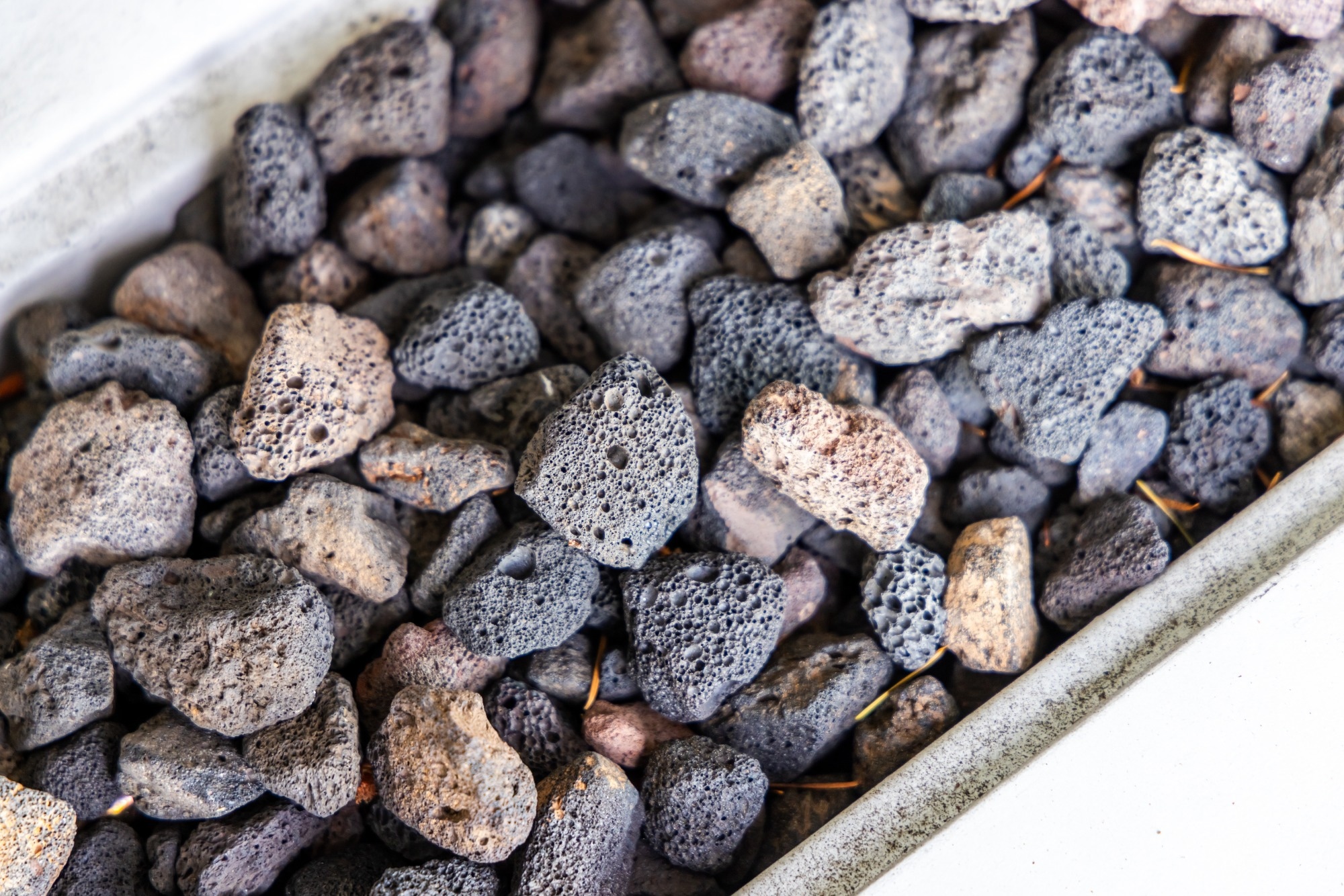 Study: Mechanical properties and elevated temperature performance of structural lightweight geopolymer concrete. Image Credit: EB Adventure Photography/Shutterstock.com
Geopolymer Concrete and Sustainability
Concrete remains the most widely used construction material worldwide due to its versatility in infrastructure, including buildings, bridges, and roads. However, traditional Portland cement concrete is associated with high carbon emissions and limited thermal resistance, especially under fire exposure.
Lightweight concrete (LWC), incorporating lightweight aggregates like pumice, offers benefits such as reduced dead load and enhanced insulation, but its structural applications require optimized strength and durability. Geopolymer concrete (GPC), based on alkali-activated aluminosilicate binders, has emerged as a sustainable alternative with superior performance and environmental advantages.
Download a free PDF copy of this news piece here!
Despite progress in geopolymer development, studies on structural lightweight geopolymer concrete (LWGPC) cured at ambient temperature and evaluated for high-temperature performance remain limited.
This study addresses this gap by developing ambient-cured LWGPC with pumice aggregates, optimizing mix parameters, and assessing mechanical and thermal behavior relative to normal-weight geopolymer concrete (NWGPC), alongside conducting a life cycle assessment to evaluate environmental impacts.
LWGPC Mix Optimization
The research entailed optimizing production parameters to create structural LWGPC mixtures cured under laboratory ambient conditions, avoiding steam or thermal curing that limits field applicability. The parameters included precursor dosage, sodium hydroxide molarity, alkali-to-binder (a/b) ratio, aggregate gradation, silica fume content, and superplasticizer demand.
Pumice, sourced from eastern Türkiye and prepared into graded lightweight aggregates (0–4 mm, 4–8 mm, and 8–16 mm) with specific gravity ranging from 0.56 to 0.82, was used to replace normal-weight aggregates in varying proportions. Several trial mixtures were tested for fresh and hardened properties to select two optimized LWGPC mixes alongside a control NWGPC mix.
Specimens were subjected to elevated temperatures of 150, 300, 450, 600, and 750 °C in an electric furnace with controlled heating rates. After one hour of exposure at the target temperatures, the samples cooled naturally to room temperature before testing. Residual compressive strength, mass loss, water absorption, and visual observations were used to evaluate thermal performance.
Scanning electron microscopy (SEM) and X-ray diffraction (XRD) characterized microstructural changes and phase evolution pre- and post-exposure. Finally, a life cycle assessment (LCA) quantified the embodied carbon dioxide equivalent (CO2-e) emissions and cumulative energy demand associated with the concrete mixes, accounting for materials, production, and transportation impacts.
Thermal Performance and Microstructure
Density and strength analyses confirmed a clear trade-off between reduced density and mechanical performance. Increasing pumice content significantly lowered the concrete density, from approximately 2070 kg/m3 for normal-weight to around 1320 kg/m3 for high-pumice-content mixtures, while compressive strength decreased correspondingly.
The best-performing lightweight geopolymer mix (M15) balanced low density with an acceptable compressive strength (~16.7 MPa), potentially making it suitable for structural use and outperforming the ultra-lightweight mix (M1), which had lower strength but higher porosity.
Microstructural observations by SEM revealed that high-pumice mixes exhibited a more porous but continuous geopolymer gel matrix with improved interfacial bonding between pumice particles and the binder. Denser normal-weight mixes showed compact microstructures but became prone to cracking after exposure to elevated temperatures.
Elevated-temperature testing demonstrated that moderate heating up to 150 °C (or 300 °C for M1) actually enhanced compressive strength due to continued geopolymer gel densification. Beyond 300 °C, strength gradually declined as pores coarsened and microcracking developed. Notably, the pumice-based LWGPC retained a greater proportion of its original strength than NWGPC at higher temperature levels.
SEM postfire images showed NWGPC with larger, interconnected cracks and interfacial debonding, whereas LWGPC specimens exhibited a more distributed porous texture with fewer continuous cracks, attributable to the pumice aggregate’s pressure-relief role during thermal exposure.
Mass loss and water absorption increased with temperature, yet the optimized M15 mixture maintained structural integrity better, aligning with visual inspections showing fewer cracks and discoloration. These observations indicate that the lightweight aggregate affected damage morphology, contributing to greater thermal resilience.
LCA results highlighted a pronounced environmental advantage for the geopolymer concretes over the study’s lightweight Portland cement mixes, with CO2-e emissions significantly lower for LWGPC. Among geopolymer mixes, the differences in environmental burden were minor, but the results were sensitive to assumptions about the alkali activator (NaOH) inventory, underscoring the importance of transparent reporting in LCA analyses.
Potential Applications and Future Insights
This study shows how ambient-cured lightweight geopolymer concrete incorporating pumice aggregates can be successfully optimized to approach structural-grade strength and superior performance at elevated temperatures.
Further work is needed to deepen understanding of durability under service conditions, refine mix designs to improve strength and toughness, and reduce the environmental impacts associated with alkali activators.
Overall, these findings provide a promising foundation for the later practical deployment of ambient-cured, pumice-based geopolymer concretes in structural construction, offering both sustainability and safety benefits.
Journal Reference
Kantarci F., Can I. (2026). Mechanical properties and elevated temperature performance of structural lightweight geopolymer concrete. Scientific Reports. https://www.nature.com/articles/s41598-026-60402-3.