Analysis presented in early December suggests timber-based insulation can match the acoustic performance of steel or concrete, while generating much lower manufacturing emissions.
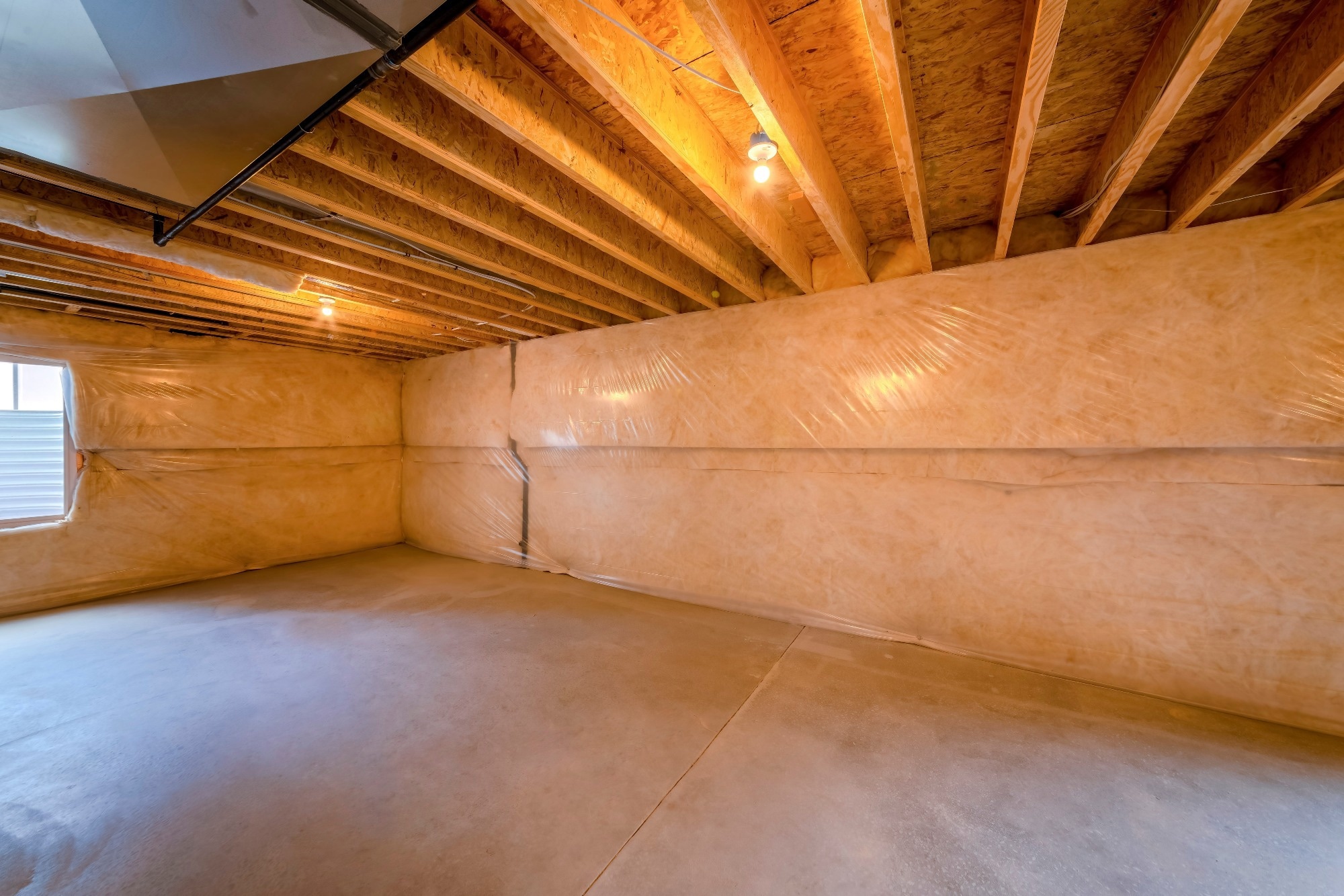 Presented at the Sixth Joint Meeting of the Acoustical Society of America and the Acoustical Society of Japan. Image Credit: Jason Finn/Shutterstock.com
At the Sixth Joint Meeting of the Acoustical Society of America and the Acoustical Society of Japan, acoustic consultant George Edgar presented his analysis of common wall and floor constructions, comparing their sound insulation performance alongside their global warming potential (GWP).
His work highlights how material choice can shape both occupant comfort and a building’s climate footprint, two priorities that increasingly intersect in sustainable design.
Get all the details: Grab your PDF here!
Acoustics within Green Building Standards
Acoustic comfort is already embedded in major voluntary green building schemes, including LEED in the United States and BREEAM in the United Kingdom. These frameworks recognize that excessive noise can affect health, productivity, and well-being, making sound insulation an important factor in sustainable design, alongside energy efficiency and material selection.
Edgar’s assessment reflects this dual focus, examining how well different construction systems manage noise while accounting for the carbon emissions associated with producing the materials themselves. In this context, GWP refers specifically to emissions generated during the manufacturing phase (A1-A3), rather than full life-cycle impacts.
Comparing Material Performance for Acoustic Insulation
Edgar's analysis compared timber, steel, and concrete wall and floor systems using INSUL®’s in-development carbon calculation tool to estimate manufacturing-phase GWP.
Acoustic performance was also assessed to allow a direct comparison between environmental impact and sound insulation capability.
Edgar has found clear contrasts between these materials. According to the acoustic consultant, concrete and steel systems consistently exhibit higher GWP values, reflecting the large amounts of energy required to produce them. Timber-based systems, by contrast, demonstrate substantially lower manufacturing-phase emissions.
Importantly, lower carbon performance does not seem to come at the expense of acoustics. Edgar found that timber wall systems could outperform standard steel stud walls acoustically, even when additional linings were required to reach comparable sound insulation targets. For floors delivering the same level of acoustic performance, concrete systems show far higher GWP than their timber equivalents.
Implications For Building Design
Currently, little research has been done to examine the acoustic performance and climate impacts of building materials. Edgar's positive findings could become the foundation for climate-friendly acoustics in future design. For architects and acoustic consultants working within green building frameworks, material choice can meaningfully influence both sustainability outcomes and indoor environmental quality.
Edgar emphasised that awareness of the carbon implications of acoustic design decisions can help practitioners make more informed choices, particularly as demand grows for buildings that are both environmentally responsible and comfortable to occupy.
Edgar’s presentation points to the need for further research, including more detailed assessments and the wider adoption of digital tools that enable designers to evaluate carbon and acoustics early in the design process.
Disclaimer: The views expressed here are those of the author expressed in their private capacity and do not necessarily represent the views of AZoM.com Limited T/A AZoNetwork the owner and operator of this website. This disclaimer forms part of the Terms and conditions of use of this website.