Researchers have shown that metallurgical coal can reduce concrete density by nearly 25 % while maintaining structural performance at optimized replacement levels, offering a practical and cost-effective route to lighter, more sustainable construction.
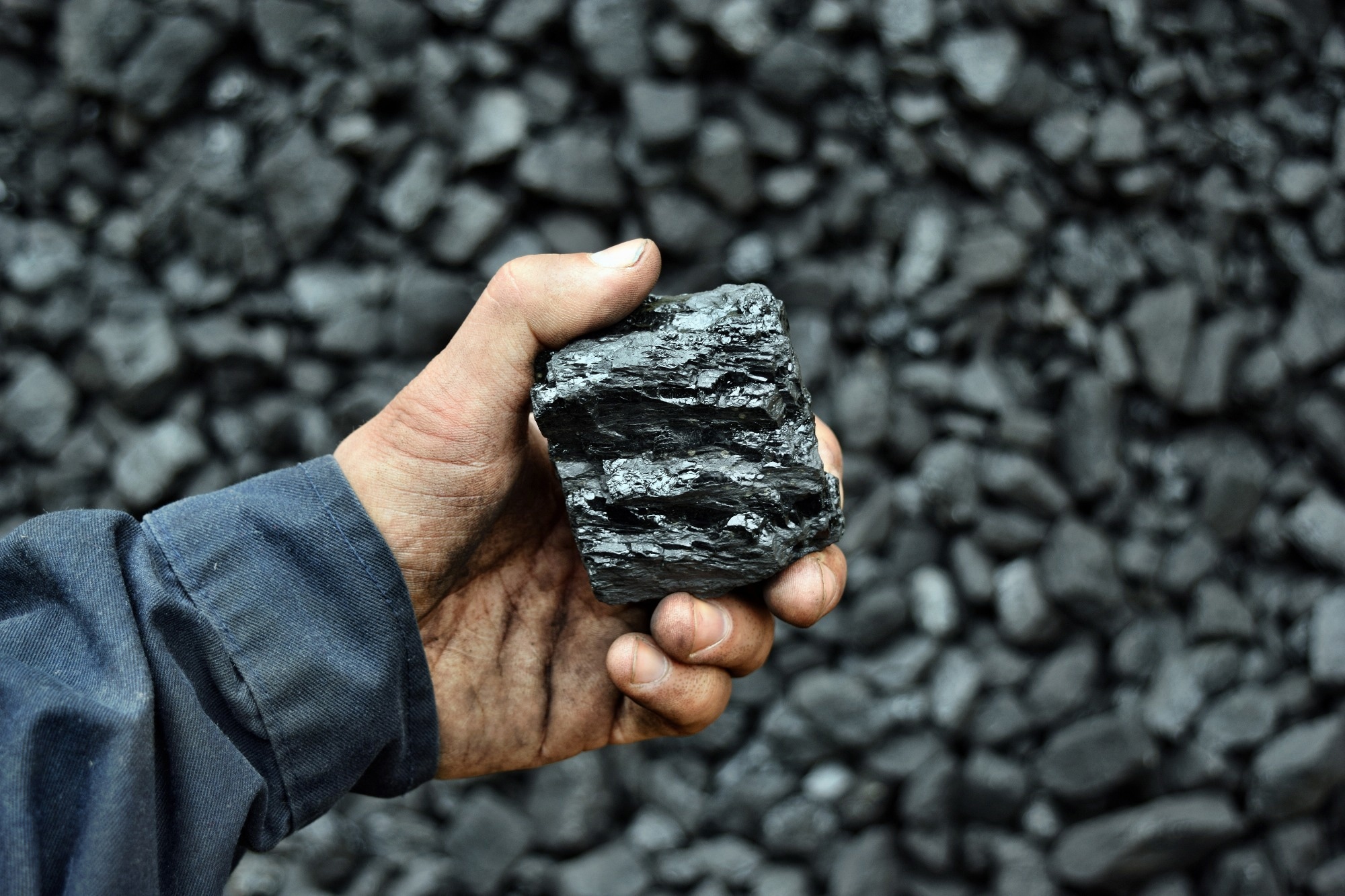
Study: Mechanical performance of structural lightweight concrete with metallurgical coal aggregates. Image Credit: Adam J/Shutterstock.com
A paper recently published in Scientific Reports evaluated the thermal, mechanical, and economic feasibility of using metallurgical coal (MC) as a coarse aggregate in structural lightweight concrete (SLWC).
The Importance of SLWC
Over the past several decades, SLWC has become a valuable material in construction due to its cost efficiency and energy-saving potential. It is particularly advantageous in large-scale projects where reducing the dead load of structural elements leads to more efficient designs. Its lower weight also means less manpower and equipment are required during placement, and transportation costs are reduced compared to normal-weight concrete (NWC).
Sustainable concrete construction increasingly relies on incorporating industrial by-products as partial replacements for natural aggregates and Portland cement. Advances in concrete technology have made it possible to integrate coal-based materials, especially MC, into production processes in ways that support sustainability goals.
The Role of MC
Recent research has focused on mitigating the environmental impact of untreated coal waste (UCW). Recycling raw coal waste into concrete aggregates presents a practical solution. One study examining green concrete with UCW reported improvements in compressive strength (3–7 %) and flexural strength (5–8 %) when used as a sand and gravel substitute.
MC, a fossilized carbon-rich material used in high-quality coke production for steel manufacturing, possesses properties that make it technically attractive as a lightweight aggregate. It has high porosity and carbon content, low unit weight, and strong thermal stability.
Despite these advantages, limited research has explored the use of MC refuse as a replacement for natural coarse aggregates in SLWC, even as broader efforts continue to enhance the thermal and mechanical performance of lightweight concrete.
The Study
In this study, researchers investigated MC as a partial coarse aggregate replacement in SLWC through a structured experimental program. They conducted chemical and microstructural analyses of MC and evaluated both fresh and hardened concrete properties. The primary objective was to develop a more sustainable lightweight concrete with reduced density while maintaining acceptable mechanical performance compared to normal-weight aggregate (NWA) concrete.
A key focus was understanding the balance between density reduction and strength performance as MC replacement levels increased. Achieving this balance is essential for creating an eco-conscious, cost-effective material that preserves structural integrity while lowering construction costs and environmental impact.
Crushed MC aggregates were used to replace normal coarse aggregates at five levels: 0 % (control), 25 %, 50 %, 75 %, and 100 % by weight. The research team assessed MC’s impact on reinforced concrete behavior through tests on hardened lightweight concrete specimens.
The experimental program included measurements of modulus of elasticity, compressive strength, flexural strength, unit weight, and performance under elevated temperatures. To compare analytical and experimental outcomes, the modulus of elasticity was calculated according to four major codes: Eurocode, Indian Standards (IS), American Concrete Institute (ACI), and Egyptian Code of Practice (ECP).
Concrete mixtures were proportioned following ACI standard practice.
To ensure consistency, mixing time, curing conditions, and temperature exposure were kept constant across all replacement levels. All specimens were water-cured at 23 ± 2 °C. The mixing sequence consisted of three minutes of initial mixing, a three-minute rest period, and two minutes of final mixing, with temperatures maintained between 20 and 30 °C. This approach ensured that aggregate replacement percentage was the only variable.
Significance
The results showed a consistent reduction in unit weight as MC content increased, dropping from 2168 kg/m³ in the control mix to 1642 kg/m3 at 100 % MC. That is a 24.3 % decrease that meets SLWC classification requirements.
However, this density reduction came with a decline in mechanical properties.
Compressive strength decreased from 37.6 MPa at 0 % MC to 20.7 MPa at 100 % MC, while flexural strength fell from 5.17 MPa to 2.75 MPa. The modulus of elasticity also gradually declined with increasing MC content, consistent with predictions from the four international codes.
Importantly, the 25 % and 50 % MC mixtures maintained adequate structural performance, even after exposure to elevated temperatures. High-temperature testing (conducted up to 600 °C) was limited to the 0 %, 25 %, and 50 % mixes. Although strength degradation occurred, residual strength remained within ACI-defined structural thresholds for lightweight concrete, supporting the material’s thermal viability within this replacement range.
The 100 % MC mixture achieved the greatest density reduction but failed to meet the 17.2 MPa cylinder compressive strength requirement specified by ACI 213R for structural lightweight concrete. As a result, its use would be limited to non-structural applications.
From an economic standpoint, concrete with 75 % MC demonstrated measurable cost benefits, reducing material costs by 23.1 LE/m3 and lowering required steel reinforcement by 12 % due to decreased dead load.
Overall, the study confirms that MC can help reduce reliance on natural aggregates, divert industrial by-products from landfills, lower transportation-related energy use, and decrease associated CO2 emissions through reduced structural weight.
At the same time, the findings highlight a clear density–strength trade-off, underscoring the need for careful optimization based on whether structural or non-structural performance is the priority.
Journal Reference
Waleed, T., Rady, M., Mashhour, I. M., El-Attar, M. (2026). Mechanical performance of structural lightweight concrete with metallurgical coal aggregates. Scientific Reports, 16, 7484. DOI: 10.1038/s41598-026-37929-6, https://www.nature.com/articles/s41598-026-37929-6
Disclaimer: The views expressed here are those of the author expressed in their private capacity and do not necessarily represent the views of AZoM.com Limited T/A AZoNetwork the owner and operator of this website. This disclaimer forms part of the Terms and conditions of use of this website.