A bio-polymeric concrete system that combines moisture-retaining polymers with calcium-carbonate-producing bacteria can significantly reduce shrinkage while strengthening concrete, offering a practical approach to improving durability in water-scarce construction environments.
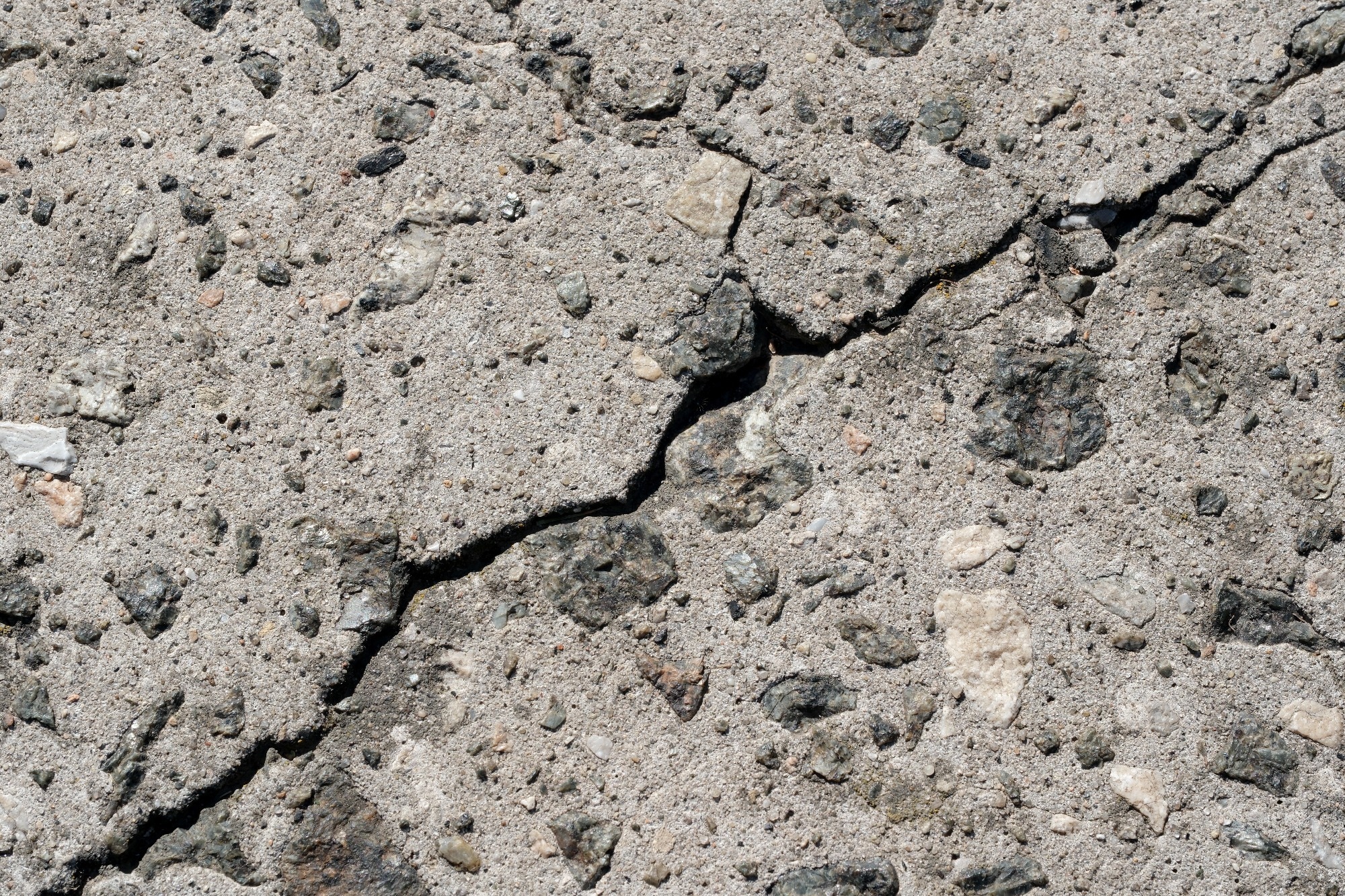
Study: A bio-polymeric strategy for enhancing the strength, durability of concrete and shrinkage reduction. Image Credit: Aviavlad/Shutterstock.com
In a study published in Scientific Reports, researchers investigated how integrating superabsorbent polymers (SAPs) with bacteria capable of producing calcium carbonate within the concrete matrix could improve structural performance.
By pairing internal moisture retention with a bacterial self-healing mechanism, the approach aims to reduce dependence on external curing while enhancing the material’s strength and durability - an important consideration in regions where water availability for conventional curing is limited.
Preventing Concrete Structure Deterioration
Crack formation in concrete is unavoidable, and inadequate curing accelerates this process. In many regions, limited access to potable water for external curing leads to incomplete hydration and increased shrinkage cracking. Addressing this challenge is essential for improving the long-term performance and durability of concrete structures.
One approach to mitigating this issue involves the use of superabsorbent polymers (SAPs). These materials absorb water during mixing and gradually release it as hydration progresses, enabling internal curing within the concrete. By maintaining moisture within the cement matrix, SAPs support continued cement hydration and help reduce autogenous shrinkage. Previous studies have reported reductions of 50–80 % in autogenous shrinkage in SAP-modified concrete.
During mixing, SAP particles temporarily absorb excess water and later release it as hydration continues. This gradual moisture release helps sustain internal humidity, allowing cement reactions to proceed more consistently. As a result, the concrete develops a denser microstructure with fewer microcracks.
Another strategy for improving durability involves bacterial remediation, which enables autonomous crack healing. In bacterial concrete systems, dormant bacterial spores become active when cracks allow water and oxygen to enter the material. As the bacteria metabolize available nutrients, they precipitate calcium carbonate (CaCO3), which gradually fills and seals the cracks.
The precipitated CaCO3 can also accumulate within nanoscale pores, further strengthening the concrete matrix. Previous studies have also shown that combining bacterial systems with fibers can improve mechanical properties. For example, incorporating polypropylene fibers into bacterial concrete mixes has been reported to increase strength by up to 39 % compared with conventional concrete.
While SAP-based internal curing and bacterial remediation have both demonstrated promising results individually, relatively few studies have examined their combined impact on concrete performance.
The Study
To address this gap, researchers proposed a bio-polymeric strategy that integrates SAP-based internal curing with bacterial self-healing mechanisms.
In this system, SAP provides internal moisture that reduces reliance on external curing, while bacterial activity refines the pore structure and repairs microcracks through calcium carbonate precipitation.
The primary objective was to experimentally investigate how SAP and bacterial mechanisms influence autogenous shrinkage, mechanical strength, and durability.
Four concrete mixes were prepared for evaluation:
- CM – Control mix
- S0.1 – Mix containing 0.1 % SAP
- BCM – Bacterial concrete mix
- BS0.1 – Bacterial concrete with 0.1 % SAP
Methodology
The concrete mixes were produced using 43-grade ordinary Portland cement, zone II river sand as the fine aggregate, and locally sourced 20 mm crushed aggregates with a specific gravity of 2.75.
The bacterial component consisted of rod-shaped Bacillus subtilis with a concentration of 105 cfu/ml. Calcium lactate served as the primary nutrient source for bacterial activity. To support bacterial germination, researchers added 13 g/L of nutrient broth and calcium lactate to the mixture. Together, the bacteria and nutrients functioned as the self-healing agent within the concrete.
For internal curing, sodium polyacrylate was used as the SAP, with a water absorption capacity of 175 g/g in tap water. Concrete mix proportions followed IS:10262–2019 standards.
Because SAP absorbs part of the mixing water, additional water was added during mixing to maintain the desired workability of fresh concrete.
Several tests were conducted to evaluate performance:
- Autogenous shrinkage testing during the first 8 hours, capturing the early-age period when most shrinkage occurs
- Compressive strength tests on 150 × 150 × 150 mm cubes at 7 and 28 days (IS: 516–2021)
- Flexural strength tests using 100 × 100 × 500 mm beams under four-point loading at 400 kg/minute
- Electrical resistivity tests on 100 × 100 × 100 mm cubes to assess durability
Autogenous shrinkage measurements were performed using a conical shrinkage mold with a diameter of 14.5 cm and a height of 12.5 cm.
Significance
The results showed that SAP significantly reduced shrinkage, while the combination of SAP and bacterial self-healing produced the strongest overall improvements in performance.
Compared with the control mix:
- Compressive strength increased by 15.1 % at 7 days and 26.4 % at 28 days for the SAP–bacteria system
- Autogenous shrinkage decreased by 32.9 %
- Flexural strength improved by up to 24.5 % at 28 days, indicating greater resistance to bending stresses
Electrical resistivity testing also suggested improved durability. Resistivity increased from 12.54 kΩ·cm in the control mix to 19.5 kΩ·cm in the combined SAP–bacteria system, indicating reduced susceptibility to reinforcement corrosion.
The researchers also observed a strong relationship between shrinkage reduction and strength development, suggesting that controlling early-age shrinkage contributes directly to improved mechanical performance.
Another key observation was that SAP appears to support bacterial activity. By acting as localized moisture reservoirs, SAP particles help sustain hydration and maintain conditions that allow bacteria to continue producing calcium carbonate within the concrete matrix.
Conclusion
The study demonstrates that combining superabsorbent polymers with bacterial self-healing systems can effectively reduce shrinkage while improving the strength and durability of concrete. By providing internal curing and enabling crack-healing processes, the bio-polymeric approach addresses key challenges associated with concrete curing in water-scarce environments.
As water conservation and infrastructure longevity become increasingly important in construction, strategies that reduce external curing requirements while improving structural performance may play an important role in the development of future concrete technologies.
Journal Reference
Vijay, K., Sarma, V. V. S., Kuruva, V., Kumar, A. U., Detu, K., & Reddy, P. N. (2026). A bio-polymeric strategy for enhancing the strength, durability of concrete and shrinkage reduction. Scientific Reports. DOI: 10.1038/s41598-026-38804-0, https://www.nature.com/articles/s41598-026-38804-0
Disclaimer: The views expressed here are those of the author expressed in their private capacity and do not necessarily represent the views of AZoM.com Limited T/A AZoNetwork the owner and operator of this website. This disclaimer forms part of the Terms and conditions of use of this website.