New research suggests mine tailings (a by-product of mining operations) could play a key role in reshaping low-carbon concrete.
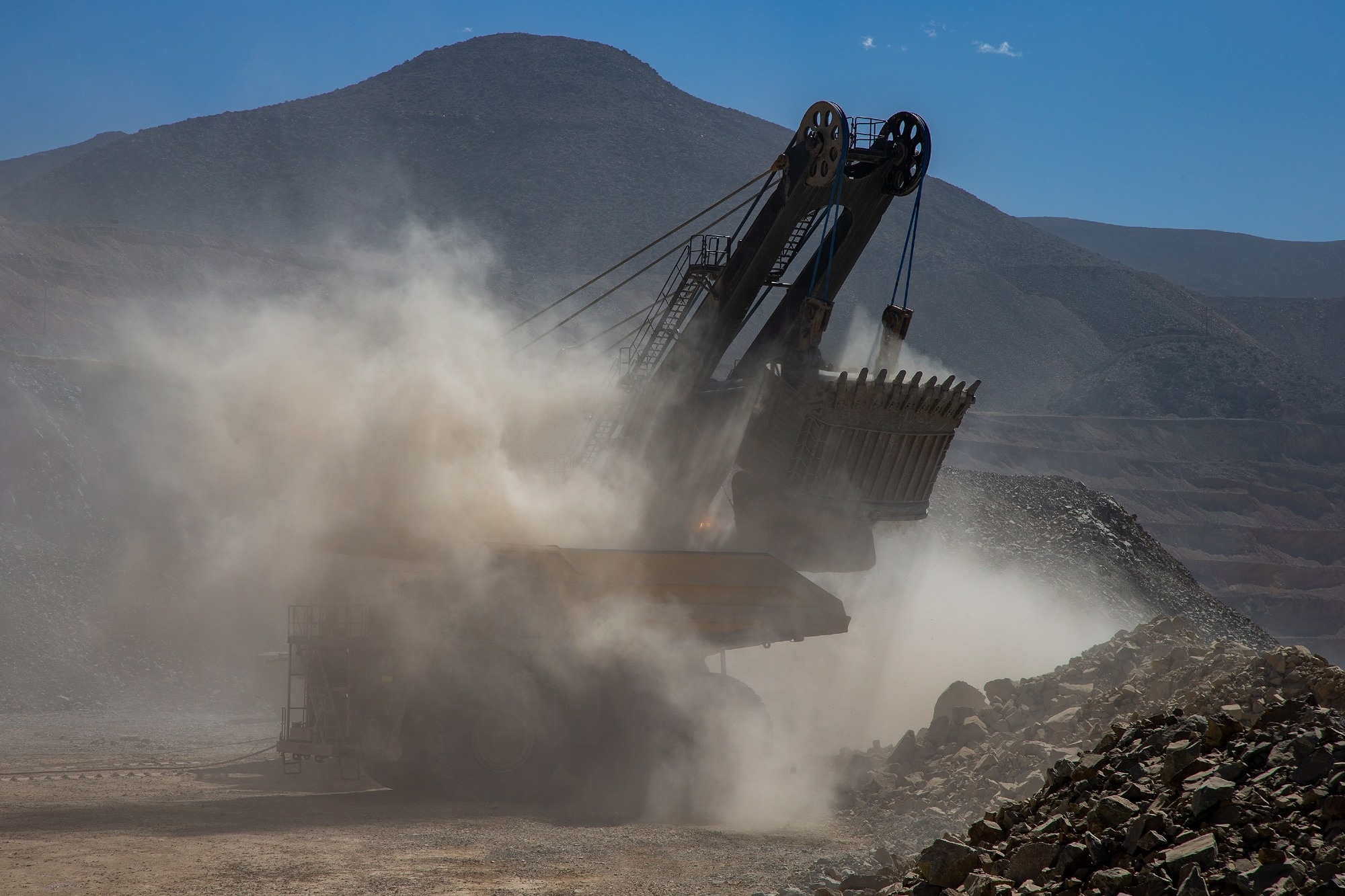
Study: Selection criteria for mine tailings as SCM: A Comprehensive Review of Types, Properties and Performance. Image Credit: BETO SANTILLAN/Shutterstock.com
A study published in Minerals Engineering explored how mine tailings can be used as supplementary cementitious materials (SCMs) in cement and concrete production. By focusing on selection criteria and sustainability potential, the research supports efforts to reduce dependence on traditional cement while promoting better resource efficiency.
The findings highlight that mine tailings, typically considered industrial waste, can help lower the environmental impact of cement production. By partially replacing cement, they reduce carbon emissions and repurpose materials that would otherwise contribute to land degradation or require expensive disposal.
SCMs and the Shift Toward Greener Concrete
SCMs have become increasingly important in the construction industry for both improving concrete performance and reducing environmental impact. Materials like fly ash, slag, and silica fume are already used to partially replace Portland cement - one of the most carbon-intensive construction materials.
Now, mine tailings are emerging as a promising alternative.
These fine, powdery by-products contain mineral properties that can enhance concrete’s strength and durability. But their successful application depends on understanding their chemical makeup, physical characteristics, and behavior in concrete mixtures.
With the right approach, mine tailings could become a valuable tool in reducing emissions from cement while supporting circular economy principles in construction.
What the Study Explored
Researchers reviewed a range of tailings, from copper, iron, gold, and coal mining, assessing their potential as SCMs. The study examined several key factors, including:
- Particle size distribution and specific surface area
- Mineral composition and pozzolanic activity
- Environmental risks, including leaching of harmful elements
Tailings were classified by dominant mineral types, such as silicates and sulfides, since these influence reactivity when combined with cement. The study also included experimental evaluations of concrete mixtures containing tailings, measuring properties like compressive strength, workability, and long-term durability.
Key Findings on Mine Tailings as SCMs
The study found that mine tailings show strong potential as SCMs if their properties align with the performance needs of concrete.
Pozzolanic activity emerged as a critical factor. This refers to a material’s ability to chemically react with calcium hydroxide in the presence of water, forming compounds that contribute to concrete strength. Tailings rich in silica generally had better pozzolanic behavior and were more effective in replacing cement.
Other factors, such as particle size and specific surface area, also proved important. Finer tailings with larger surface areas tend to react more readily, improving the mechanical properties of the concrete.
Researchers emphasized the importance of optimizing blend ratios. In most cases, replacing 5 % to 20 % of Portland cement with tailings struck a balance between environmental benefit and structural performance. Copper mine tailings stood out, offering higher pozzolanic activity and allowing for greater cement replacement without weakening the final product.
The study also looked at activation methods to boost reactivity. Mechanical treatments improved the performance of gold and silicate tailings, while thermal activation was more effective for coal tailings.
Beyond mechanical performance, the use of mine tailings offers environmental and economic benefits.
- Lower carbon emissions by reducing reliance on cement
- Reduced waste through the reuse of mining by-products
- Cost savings on raw materials
- Support for circular economy principles
However, the study stressed the importance of proper testing and characterization. Some tailings, particularly from gold and coal mines, showed a higher risk of heavy metal leaching, requiring careful assessment before use to ensure safety and long-term performance.
Moving Toward Greener Construction Practices
Incorporating mine tailings into concrete production not only addresses cement’s carbon footprint but also helps solve one of mining’s largest waste management challenges. Their use aligns with global sustainability goals and could become a standard part of greener construction practices.
For broader adoption, the researchers recommend updated regulations and industry standards. Clear guidelines can help ensure safe usage and build confidence in these alternative materials.
The study also touched on less commonly used tailings - like those from molybdenum, phosphate, and tungsten mining. While these materials showed promise, issues like limited availability and inconsistent chemistry could limit their widespread application.
Future Directions for Mine Tailings in Concrete Production
Overall, the research points to a strong future for mine tailings as SCMs. With proper selection, treatment, and performance testing, these materials can replace a portion of traditional cement while maintaining, or even enhancing, concrete quality.
Future studies should focus on:
- Long-term durability under varied environmental conditions
- Resistance to chemical attack, freeze-thaw cycles, and other stressors
- Development of standardized testing protocols and performance criteria
These steps will be critical in scaling up the use of mine tailings and integrating them into mainstream construction practices.
Journal Reference
Chandran, G., & et al. 2026. Selection criteria for mine tailings as SCM: A Comprehensive Review of Types, Properties and Performance. Mineral Engineering, 235(1), 109822. DOI: 10.1016/j.mineng.2025.109822, https://www.sciencedirect.com/science/article/abs/pii/S0892687525006508
Disclaimer: The views expressed here are those of the author expressed in their private capacity and do not necessarily represent the views of AZoM.com Limited T/A AZoNetwork the owner and operator of this website. This disclaimer forms part of the Terms and conditions of use of this website.