New laboratory evidence shows that adjusting biochar levels in planting substrates can change how living walls manage heat and moisture, revealing both insulation benefits and seasonal performance trade-offs that could shape the next generation of climate-responsive building design.
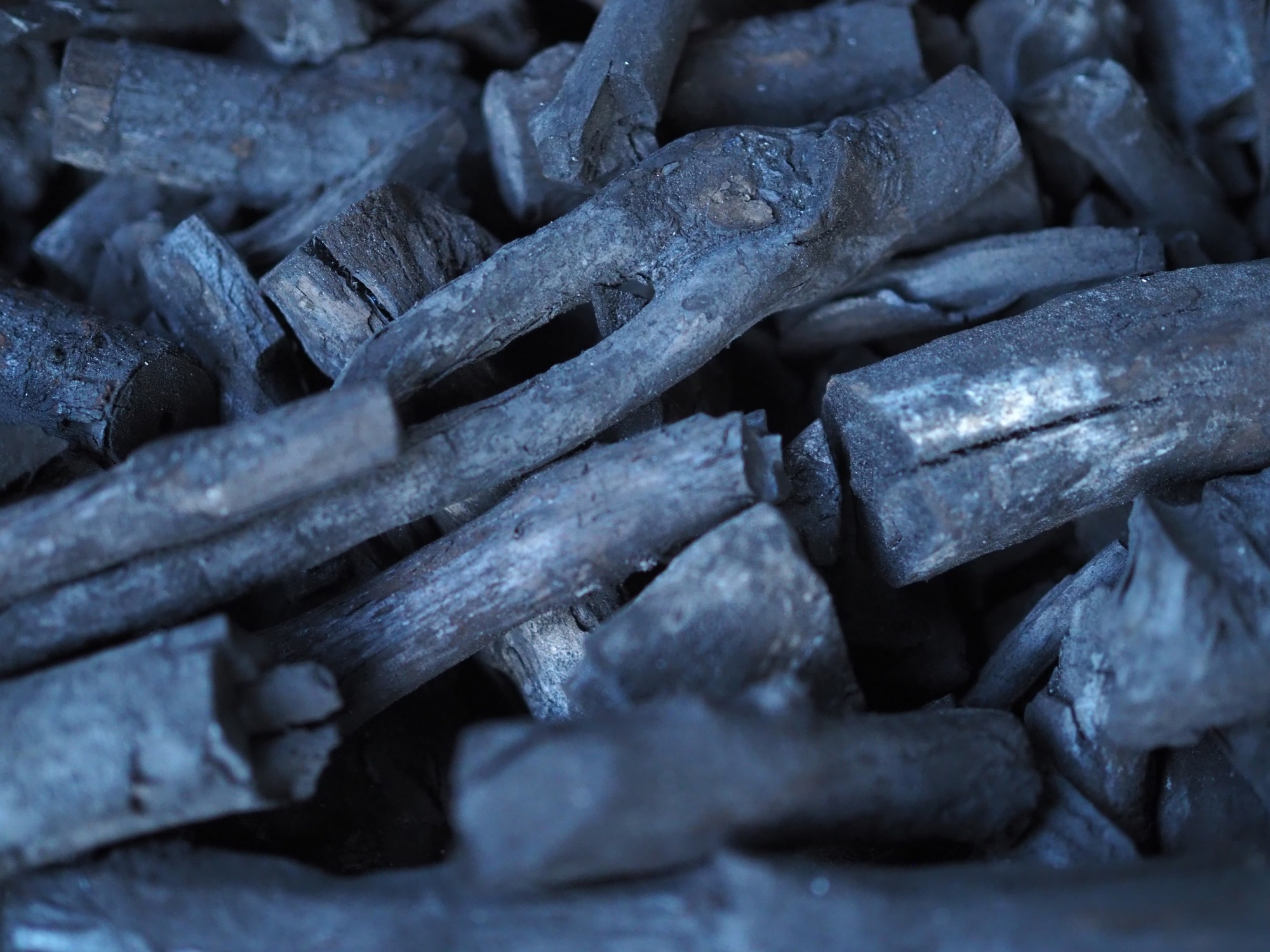
Study: Biochar to improve the thermal performance of living wall systems: laboratory assessment of three planting substrates. Image Credit: Sodamika Photo/Shutterstock.com
In the pursuit of sustainable architecture, living wall systems (LWSs) have gained traction as a practical way to reduce the environmental impact of urban buildings. A new study published in Biochar examined how integrating biochar, a carbon-rich by-product of biomass processing, can improve the thermal behavior of these systems.
The researchers investigated how different levels of biochar influence thermal conductivity and moisture retention in planting substrates. Their findings suggest that carefully calibrated biochar additions can strengthen thermal resistance and improve water management, especially under lower moisture conditions where reductions in thermal conductivity were most pronounced.
Benefits of Living Wall Systems
LWSs are vertical green structures attached to building façades and designed to sustain plant growth through engineered substrates. They provide several environmental advantages, including thermal buffering, mitigation of urban heat island effects, improved air quality, and enhanced biodiversity. By embedding vegetation into city infrastructure, LWSs can reduce energy demand for heating and cooling while supporting greener, more resilient urban environments.
As cities continue to expand and buildings remain major contributors to global energy use and emissions, nature-based design strategies such as LWSs offer practical pathways to improve environmental performance. Yet the effectiveness of these systems depends greatly on substrate composition, which shapes moisture retention, nutrient availability, and thermal conductivity.
Biochar’s Influence on Substrate Performance
The study assessed how adding biochar to green waste compost (GWC) affects the thermal and moisture behavior of LWS substrates.
Three formulations were tested:
- A control with 0% biochar
- A mix containing 15 % biochar
- A mix containing 30 % biochar
The researchers conducted laboratory experiments to measure thermal conductivity, thermal resistivity, volumetric moisture content, and mass changes under controlled drying conditions. Each substrate type was replicated six times to ensure statistical rigor. Samples were fully saturated for 24 hours and then dried, with measurements taken throughout to track changes in thermal properties as moisture declined.
Because no vegetation was included, the experiments isolated material behavior without plant–substrate interactions.
Thermal properties were measured using a Decagon KD2 Pro analyzer, while moisture levels were monitored with a Delta-T Thetaprobe. Statistical modeling showed that both biochar content and moisture level had significant (p ≤ 0.05) effects on thermal conductivity. Non-linear models (particularly Gaussian Process Regression) provided a more accurate representation of these relationships than linear modeling.
Impacts on Thermal Conductivity and Moisture Dynamics
Adding biochar consistently improved thermal performance. Higher biochar levels reduced thermal conductivity, especially at moderate to low moisture contents. At 30 % volumetric moisture content, substrates containing 30 % biochar reached a thermal conductivity of 0.12 W·m-1·K-1, compared with 0.22 W·m-1·K-1 for the GWC control.
At the same moisture level, a 100 mm layer of the 30 % biochar substrate achieved a thermal resistance of 0.82 m2·K/W. That is almost twice that of the control mix (0.46 m2·K/W).
The study also noted a clear non-linear relationship between moisture and conductivity, with conductivity increasing as moisture levels rise. Yet biochar-modified substrates displayed distinct patterns, suggesting that biochar influences how water is stored and released.
Although these substrates exhibited lower maximum saturation, they offered more stable moisture levels over time. This consistency may support healthier plant growth and reduce irrigation needs. Additionally, higher-biochar mixes weighed less when saturated, an advantage for façade installations where load constraints matter.
A notable trade-off emerged in that while drier conditions were found to improve insulation, they also could limit evapotranspiration and cooling during hot periods, potentially moderating summer performance.
Applications for Sustainable Urban Design
These results carry meaningful implications for sustainable building design. Incorporating biochar-enhanced substrates into LWSs can improve building thermal efficiency and reduce energy demand, particularly in dense urban areas affected by temperature swings and heat island effects.
Improved moisture stability may also strengthen long-term plant health while lowering water use, an appealing benefit for water-limited regions and climate-resilient planning.
Although biochar-enhanced substrates do not match the low thermal conductivity of conventional insulation materials like expanded polystyrene or glass wool, their combined ecological and thermal advantages highlight the multifunctional value of LWSs. Optimizing substrate composition enables architects and engineers to design living walls that support energy performance, biodiversity, and adaptive urban strategies.
Directions for Research and Implementation
Taken together, the findings show that biochar additions can improve the thermal behavior of LWS substrates while stabilizing moisture dynamics. By lowering thermal conductivity and moderating water availability, biochar-enhanced mixes offer a promising pathway for refining living wall performance.
Future investigations should examine long-term durability, field performance across different climates, and how biochar interacts with various plant species. Because the study used a single hardwood-derived biochar, further work is needed to assess how other feedstocks or production methods influence results. Economic analysis and large-scale implementation studies will also be crucial.
Overall, integrating biochar into LWS substrates offers a practical route to more efficient, climate-responsive building design. While these findings stem from controlled laboratory testing, they provide quantitative evidence to guide future real-world applications and support the evolution of high-performance green infrastructure.
Journal Reference
Batterham, J., & et al. (2026). Biochar to improve the thermal performance of living wall systems: laboratory assessment of three planting substrates. Biochar 8, 10. DOI: 10.1007/s42773-025-00508-5, https://link.springer.com/article/10.1007/s42773-025-00508-5
Disclaimer: The views expressed here are those of the author expressed in their private capacity and do not necessarily represent the views of AZoM.com Limited T/A AZoNetwork the owner and operator of this website. This disclaimer forms part of the Terms and conditions of use of this website.