*Important notice: This news reports on an unedited version of an accepted paper and is awaiting final editing. Therefore, the paper should not be regarded as conclusive or treated as established information.
Researchers have investigated the self-healing and mechanical performance of bio-enhanced lightweight concrete modified with Bacillus pasteurii and Bacillus subtilis in expanded clay aggregate. They published their findings in Scientific Reports.
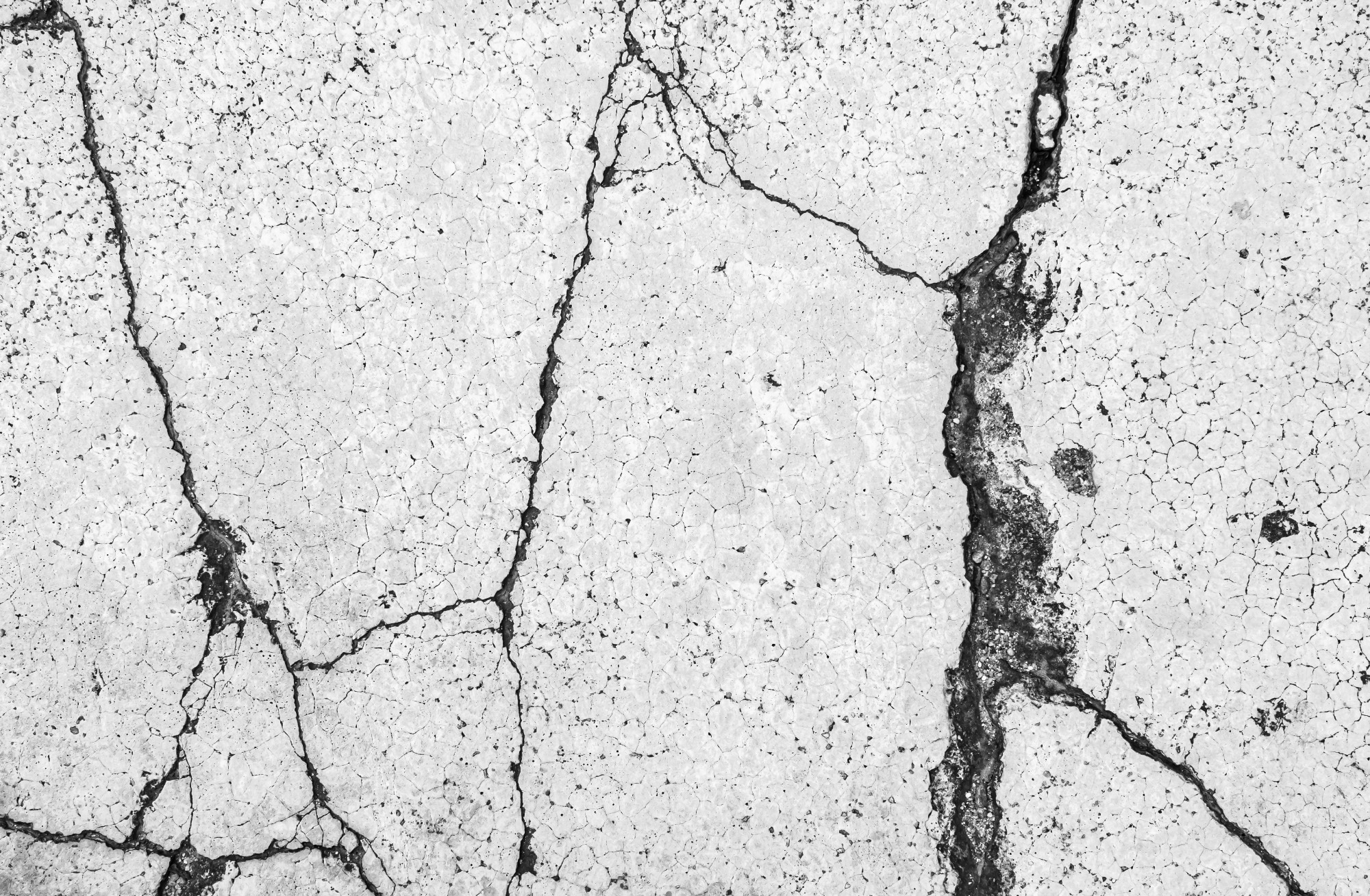 Study: Bio-enhanced lightweight concrete: self-healing and mechanical performance. Image Credit: wing-wing/Shutterstock.com
Why Concrete Cracks Need a New Repair Strategy
The construction industry faces persistent challenges due to concrete deterioration from seismic loads, thermal stresses, and corrosion. Traditional repair methods are costly, labor-intensive, and contribute to environmental pollution.
The inherent permeability of concrete and crack expansion facilitate the ingress of harmful substances, leading to premature structural failure. To address these issues, self-healing concrete, which utilizes naturally occurring bacteria to produce calcium carbonate, has emerged as a promising, eco-friendly alternative.
This study focuses on bacterially modified lightweight aggregates and their comprehensive impact on concrete properties.
Embedding Bacteria in Lightweight Aggregate
The study leveraged two bacterial species: Bacillus subtilis and Bacillus pasteurii. B. subtilis produces carbonate ions through organic-acid oxidation, while B. pasteurii generates carbonate via urea
catalysis. Ultimately, both catalyze the precipitation of calcium carbonate in the presence of calcium ions. Specific culture media were prepared for each strain to ensure optimal growth.
Lightweight expanded clay aggregate (LECA) was modified by immersing it in bacterial solutions. This aggregate treatment was performed at laboratory scale, using 420 kg of LECA in 350 liters of medium.
The process involved three days of ambient-temperature immersion and solar drying, deliberately avoiding vacuum impregnation, polymer coatings, or pressure vessels to mimic potential real-world applications.
The concrete mix design aimed to produce structural lightweight concrete that meets ACI 211–2 and ACI 213R-14 standards, targeting an equilibrium density below 1842 kg/m3 and a 28-day compressive strength exceeding 17.2 MPa.
The chosen mix design included 520 kg/m3 of cement, 260 kg/m3 of water, and 688.5 kg/m3 of reference or bacterial-treated aggregate (60% fine, 40% coarse). Concrete mixtures were prepared using a 50-L laboratory mixer, with LECA initially mixed with water for two minutes to allow partial water absorption before other components were added.
To assess self-healing, concrete specimens were pre-damaged at seven days by loading compressive cylinders to 50–60% and flexural beams to 75–85% of their respective failure strengths. After damage, specimens were immersed in water for healing periods of seven, 14, and 21 days.
Comprehensive testing included water absorption, compressive strength, flexural strength, and splitting tensile strength. Microstructural analyses, such as scanning electron microscopy (SEM) and X-ray diffraction (XRD), were used to confirm calcium carbonate formation and structural improvements.
Strength Gains Emerge After 21 Days
The investigation revealed significant improvements in aggregate properties and concrete performance. Bacterial treatment reduced LECA water absorption by up to 51.9% and increased its dry mass by 1.5–2%.
SEM showed distinct localized deposits on bacteria-treated LECA and within concrete crack regions, including the partial filling of an approximately 2 µm crack in a healed bacterial specimen. XRD analysis confirmed calcite-compatible intensity, supporting an increased contribution of calcium carbonate in the bacterial concrete.
In terms of mechanical performance, undamaged bacterial concrete exhibited 6–10% higher compressive strength compared to the strength-reduced control, peaking at 14 days. Critically, after 21 days of healing, bacterial concrete achieved 24.94 MPa in compression and 3.24 MPa in flexure. This represents increases of 23% and 35%, respectively, over the corresponding healed bacteria-free specimens. Splitting tensile strength at 28 days also increased to 2.45 MPa, 21% above the control.
The bacterial mixture also influenced fresh concrete properties, increasing air content from 2% to 5.5% and slump from 10–13 cm to 13–16 cm, while fresh density decreased from 1550 kg/m3 to 1450 kg/m3. This was attributed to the bacterial culture medium acting as an unintended air-entraining and plasticizing admixture.
While Bacillus pasteurii showed superior growth and biological activity under identical nutrient conditions, Bacillus subtilis was ultimately chosen for the large-scale aggregate treatment due to its GRAS (generally recognized as safe) status and the absence of ammonia byproduct associated with ureolysis.
Download a free copy of this page here!
The Next Test: Long-Term Durability
This study effectively demonstrated that bio-enhanced lightweight concrete, particularly when utilizing Bacillus subtilis-treated LECA, demonstrated short-term bacteria-associated mineral deposition and improved mechanical recovery after damage.
The bacterial treatment reduced aggregate water absorption and boosted dry weight, while microstructural analyses supported bacteria-associated mineral deposition and an increased calcite contribution within the concrete and at crack interfaces.
The research showed notable gains in mechanical strength, with bacterial concrete achieving 23% and 35% higher compressive and flexural strengths, respectively, after 21 days of healing compared with its bacteria-free counterpart.
These findings underscore the potential for extended service life and deferred repairs in concrete structures, supporting the integration of bacterial agents into future construction materials. Future work should focus on longer-term durability, a comprehensive transport-property program, and economic viability through formal cost and life-cycle assessments.
Journal Reference
Massumi A., Tafakori V., et al. (2026). Bio-enhanced lightweight concrete: self-healing and mechanical performance. Scientific Reports. DOI: 10.1038/s41598-026-72323-2. https://www.nature.com/articles/s41598-026-72323-2.