Sponsored by RETSCH GmbHReviewed by Olivia FrostOct 1 2026
Supplementary cementitious materials (SCMs) are widely used cement replacements that can substitute for some of the limestone or Portland cement clinker traditionally employed in cement and concrete.
Clinker production generates significant amounts of CO2, initially from the chemical reaction during limestone calcination and secondly from the high-temperature kiln process’s energy demands. As a result, using SCMs is one of the most effective ways to reduce CO2 emissions in cement production.
Substituting a portion of clinker with SCMs means that less clinker is needed, directly reducing process-related CO2 emissions. A large number of SCMs are also locally available mineral resources or industrial byproducts, meaning their use can help support circular-economy principles and lower virgin resource consumption.
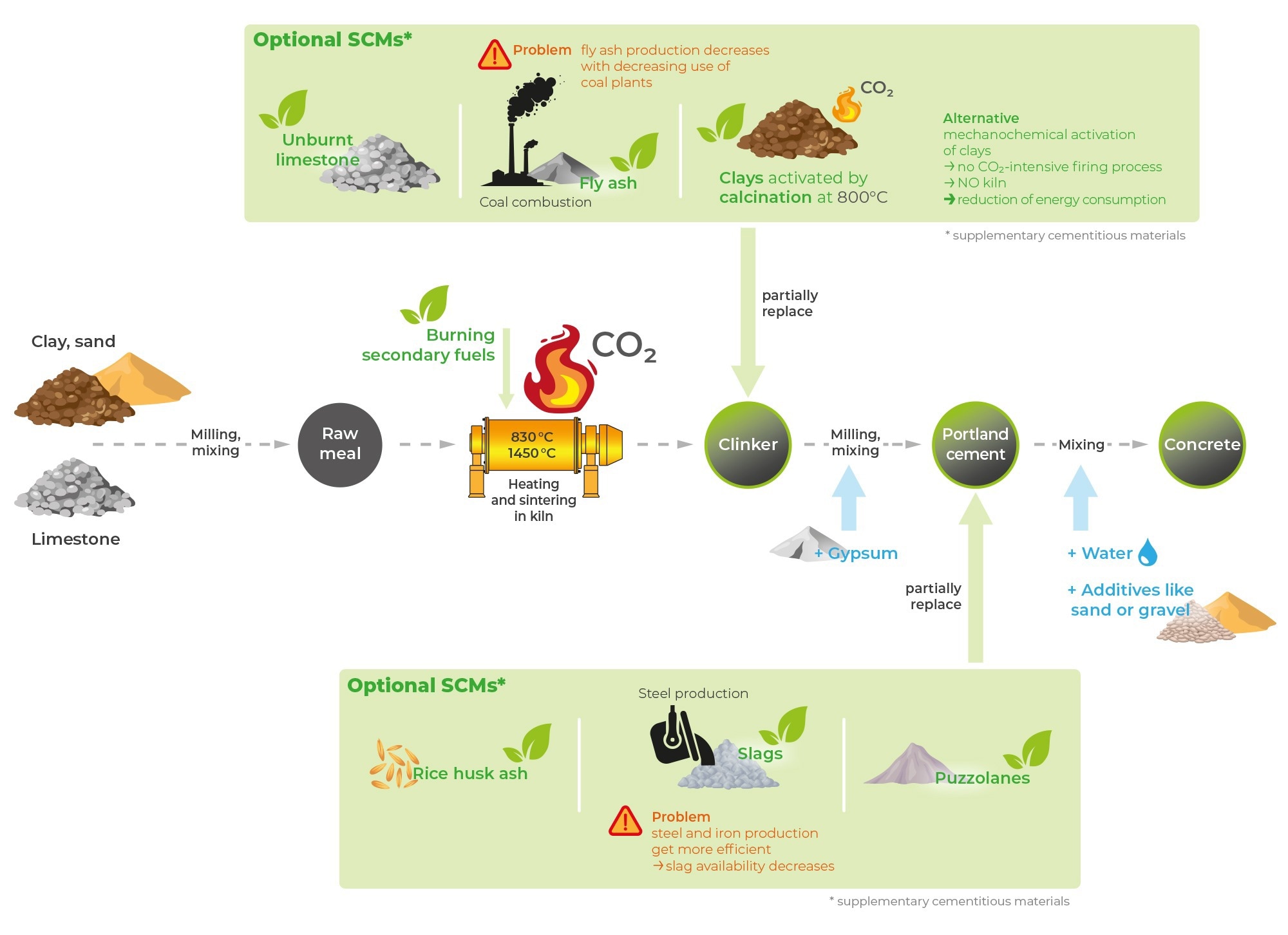
Image Credit: Retsch GmbH
Substitutes for Clinker and Portland Cement
Homogenization of Slags as SCMs
Consistent sample preparation is the first step in the reliable laboratory characterization of slag-based SCMs.
Slags are typically highly inhomogeneous and occasionally include metallic residues. It is, therefore, necessary to remove magnetic components prior to further processing.
For crushing and homogenization, jaw crushers are typically utilized for pre-crushing, with ball mills or the Cross Beater Mill SK 300 then used for fine grinding. Key factors when selecting an appropriate jaw crusher are sample quantity, initial particle size, and the required final fineness.
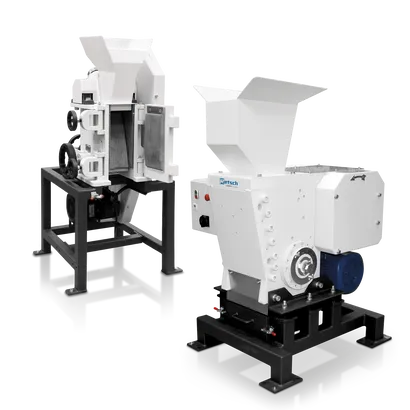
Image Credit: Retsch GmbH
A two-step pre-crushing approach in the jaw crusher is often faster than forcing material directly through a tight gap. This process involves using a wide gap followed by a narrow gap.
It is possible to efficiently process sample pieces up to approximately 20 mm in the SK 300, achieving final fineness levels of about 700 µm. This tool is well-suited for use with abrasive materials thanks to its robust design and tungsten carbide baffle plates.
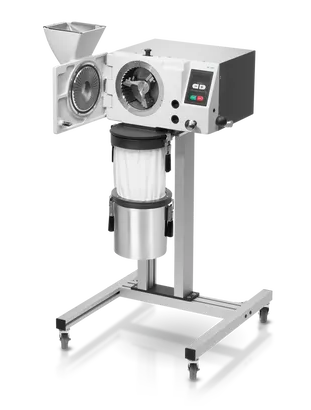
Image Credit: Retsch GmbH
Ball mills can be used for fine grinding of slag samples up to a maximum size of 15 mm. The choice of mill type and operating parameters will be dictated by sample amount, initial particle size, and target fineness.
The MM 400 is commonly used for small volumes up to 20 mL, while the TM 300 can process approximately 500 g of slag for larger batches, achieving a particle size of 5 mm to a final fineness of 25 µm within a few hours. It can even accommodate over 2 kg of sample when used with larger drums.
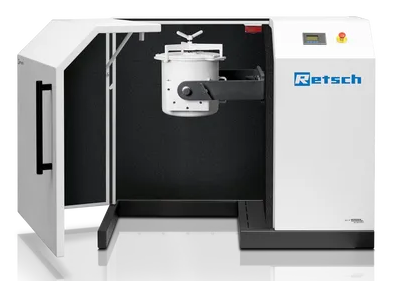
Image Credit: Retsch GmbH
Slag Samples
120 mm, 30 kg
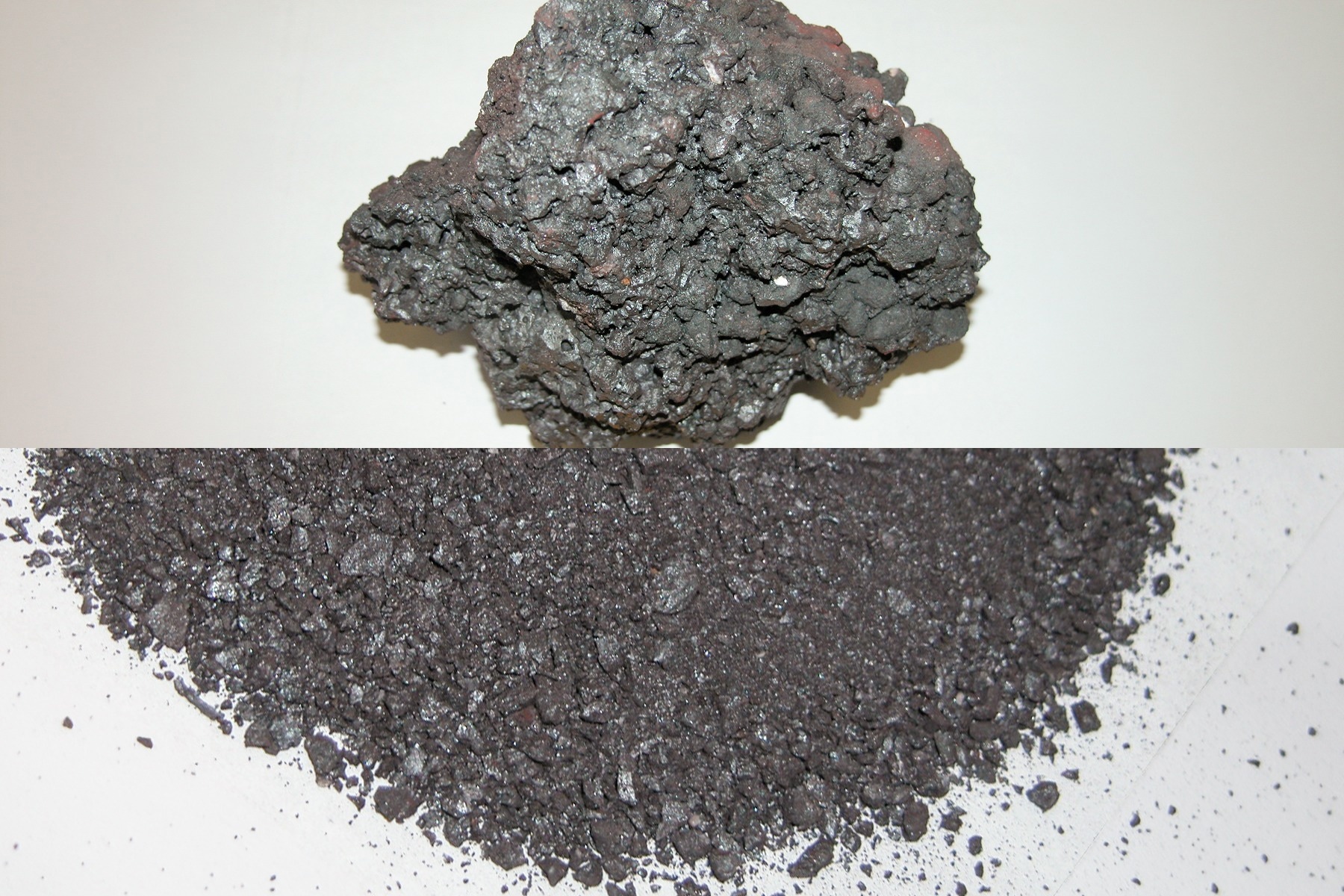
BB 300. 15 minutes | <3 µm. Image Credit: Retsch GmbH
15 mm, 250 g
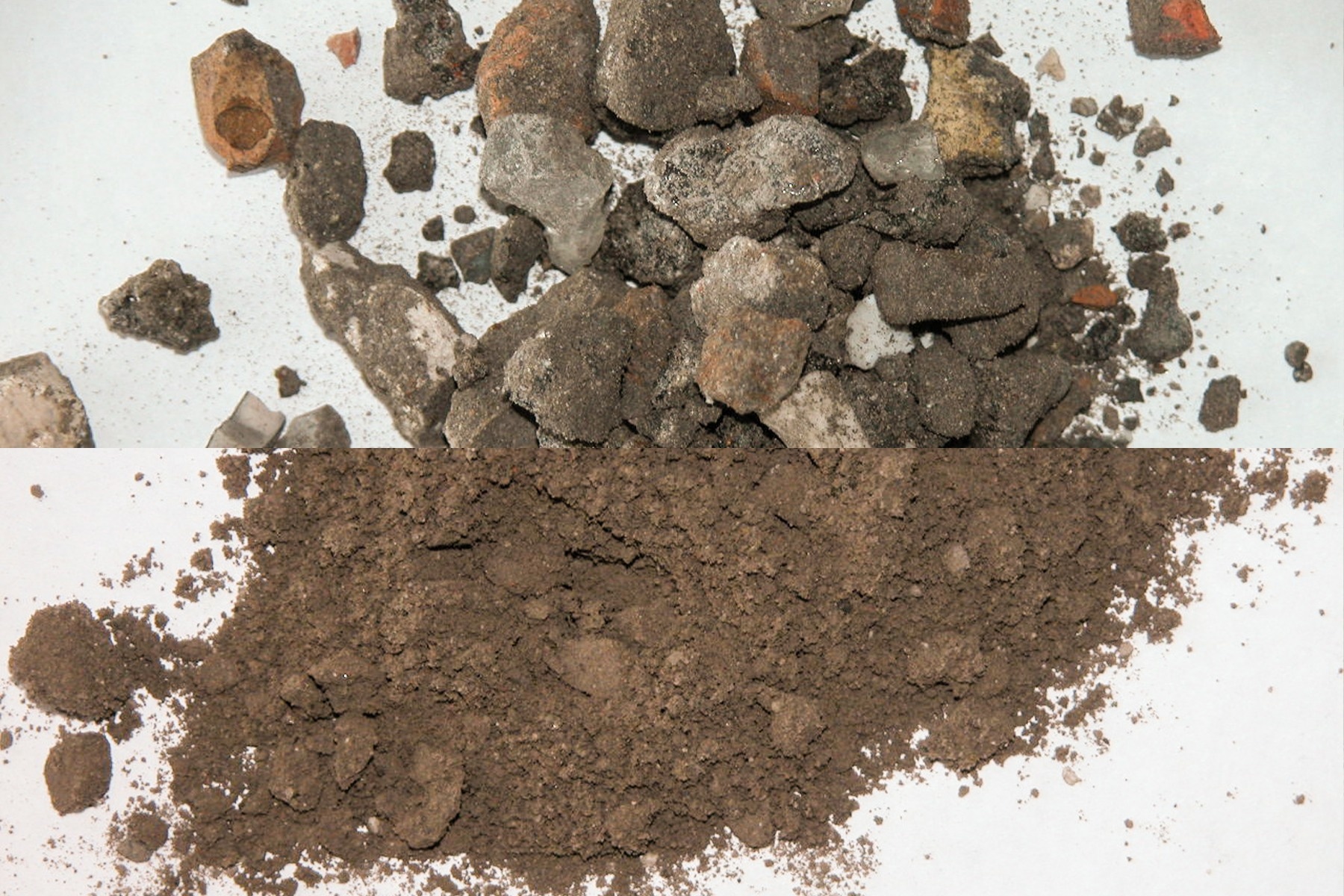
PM 100. Five minutes | <500 µm. Image Credit: Retsch GmbH
15 mm, 200 g
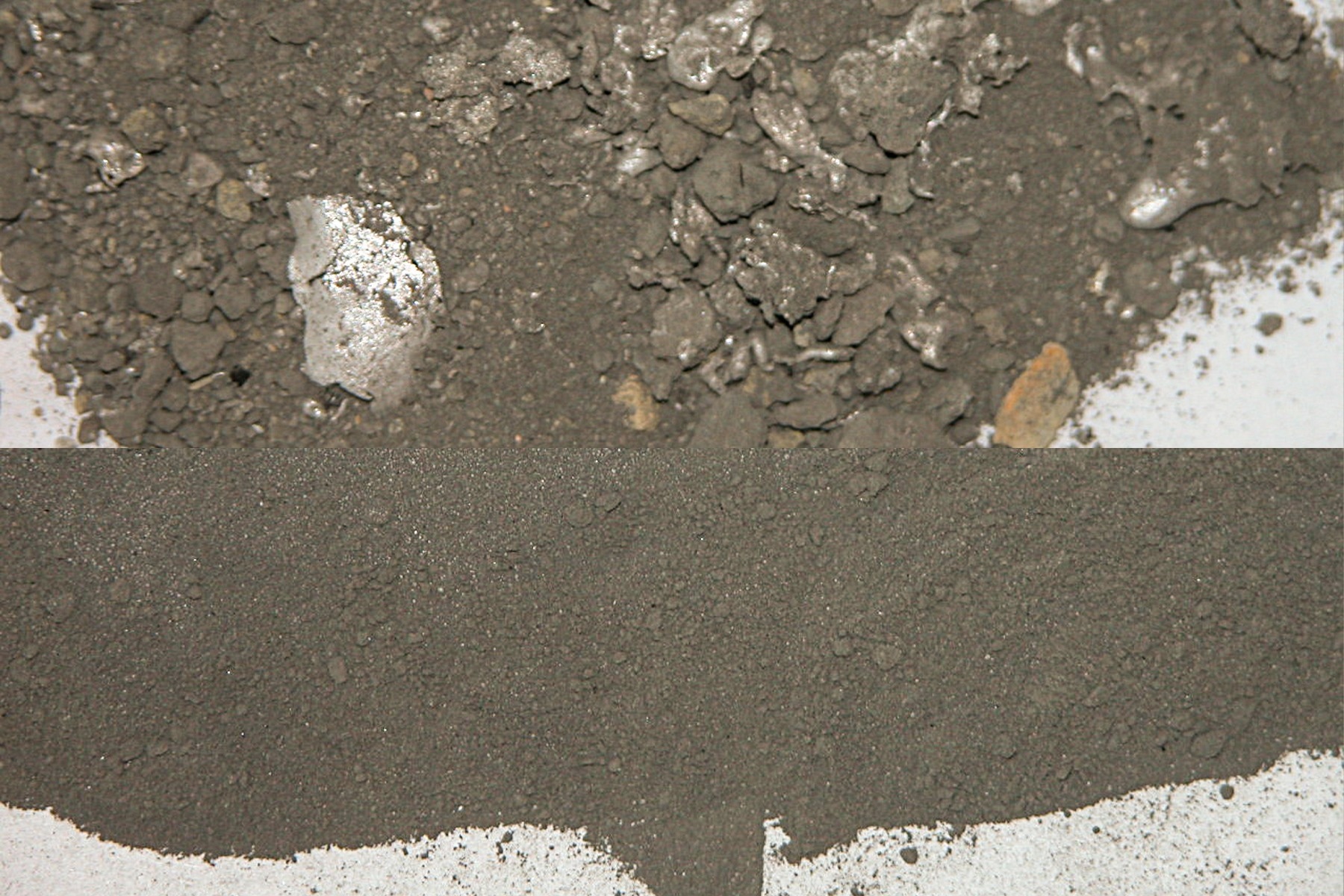
SK 300. 20 minutes | <700 µm. Image Credit: Retsch GmbH
5 mm, 500 g
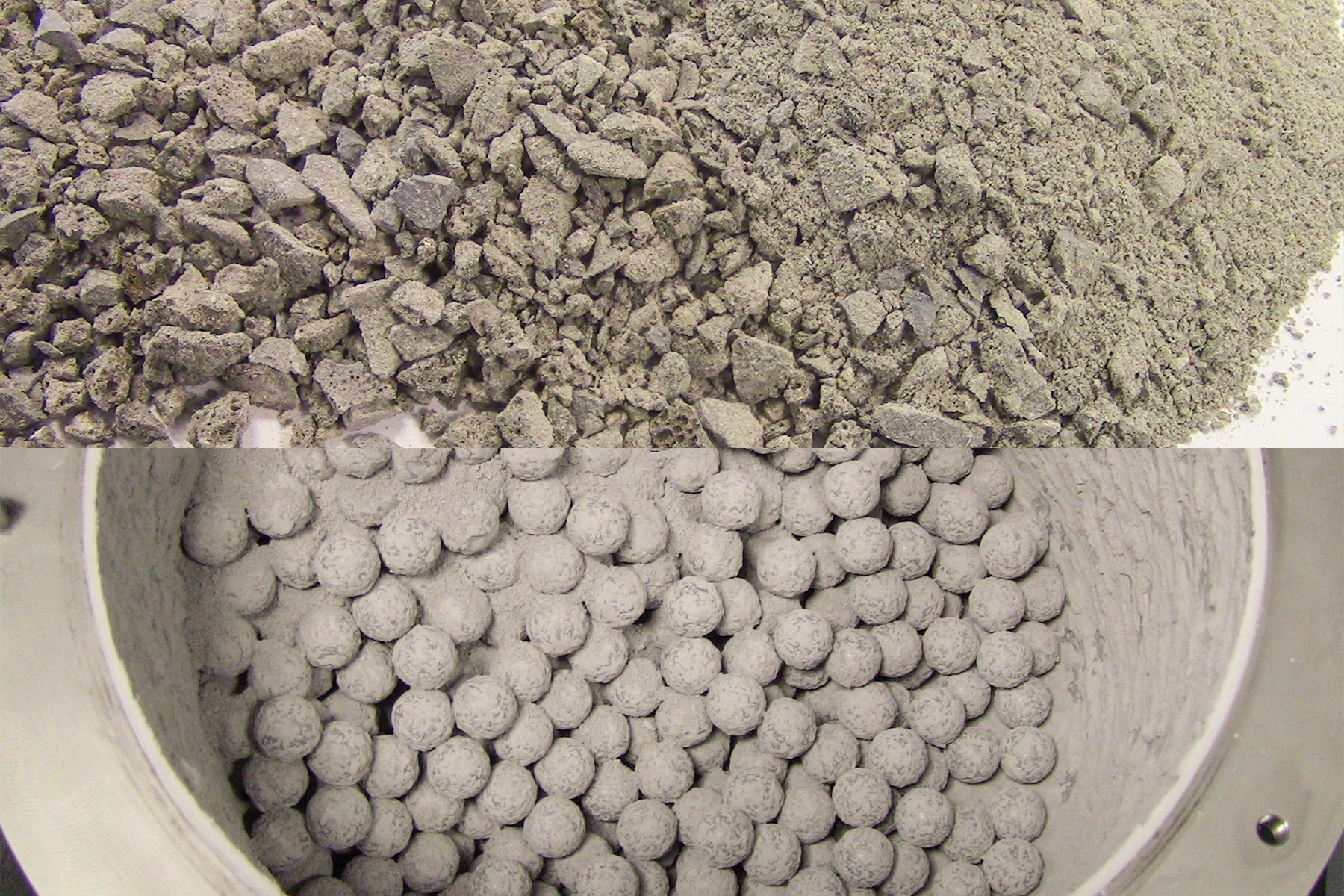
TM 300. Four hours | <25 µm. Image Credit: Retsch GmbH
Demolition Waste
Demolition waste offers considerable potential as a resource-efficient cement substitute and SCM.
Materials such as bricks, ceramics, concrete debris, and mortar contain relevant mineral components, but these materials tend not to be reactive enough to be used directly as SCMs or cement substitutes in their unprocessed forms. Processing is required, with impurities removed and mineral fractions selectively processed.
Fine grinding significantly increases the specific surface area, enhancing the material's reactivity. Mechanical activation can also disrupt the crystal structure and improve its suitability as a cement substitute and SCM. Reactivity can be increased further via chemical activation if this is insufficient.
It is important to differentiate between material types. For example, crushed concrete typically exhibits low natural reactivity, meaning that stronger activation is required for this to function as an SCM.
In contrast, brick residues may already contain pozzolanically reactive phases due to their fired-clay content, making them generally easier to use as cement substitutes and SCMs. These brick residues still tend to require careful sorting and fine grinding, however.
SCMs derived from demolition waste can help reduce CO2 emissions, replace clinker, and close construction industry material cycles.
Concrete Debris 12 mm, 45 kg
TM 500. Three hours | 100 µm. Image Credit: Retsch GmbH
Concrete Debris 4 mm, 200 g
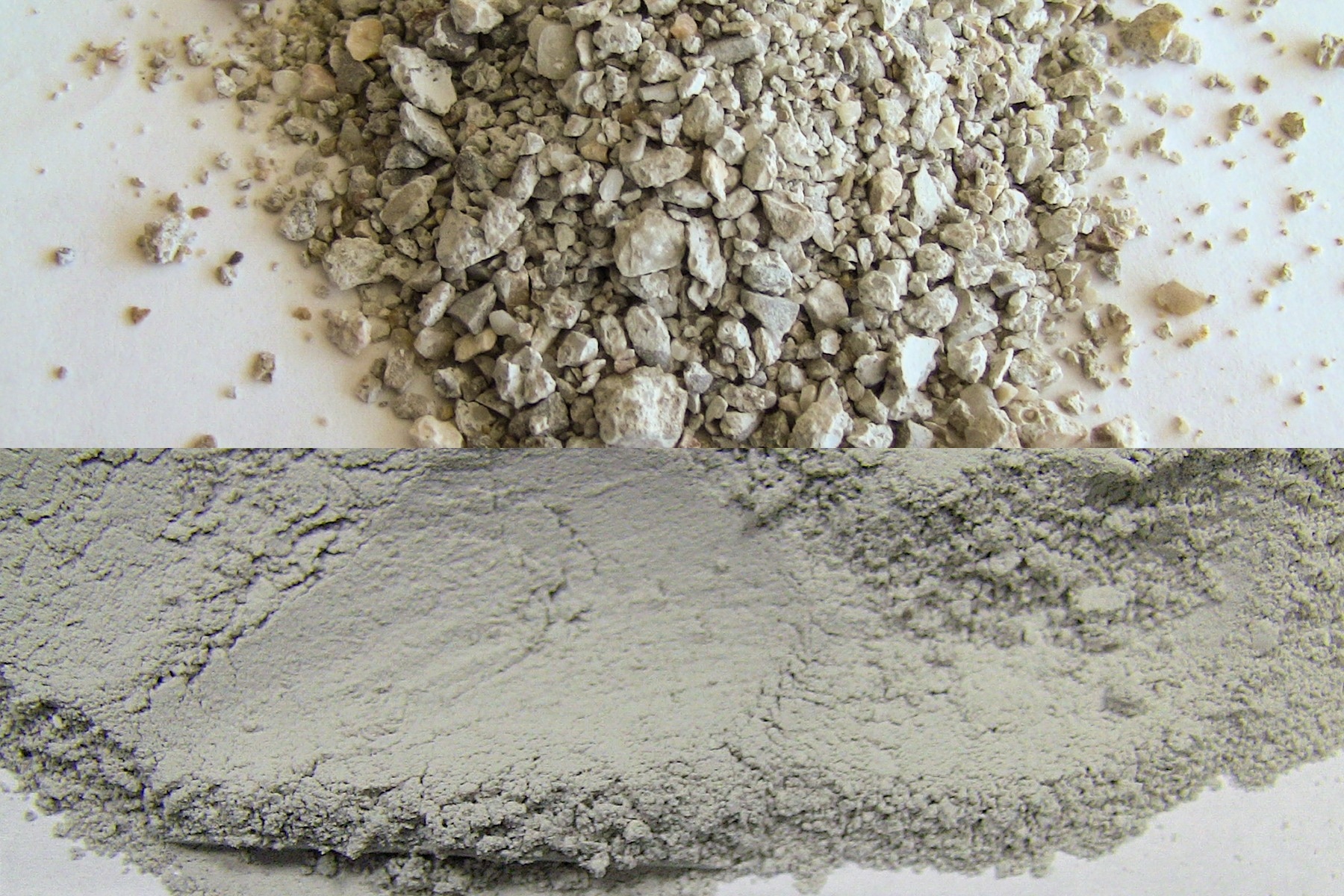
PM 100. 20 minutes | 100 µm. Image Credit: Retsch GmbH
Brick Fragments 8 mm, 2 kg
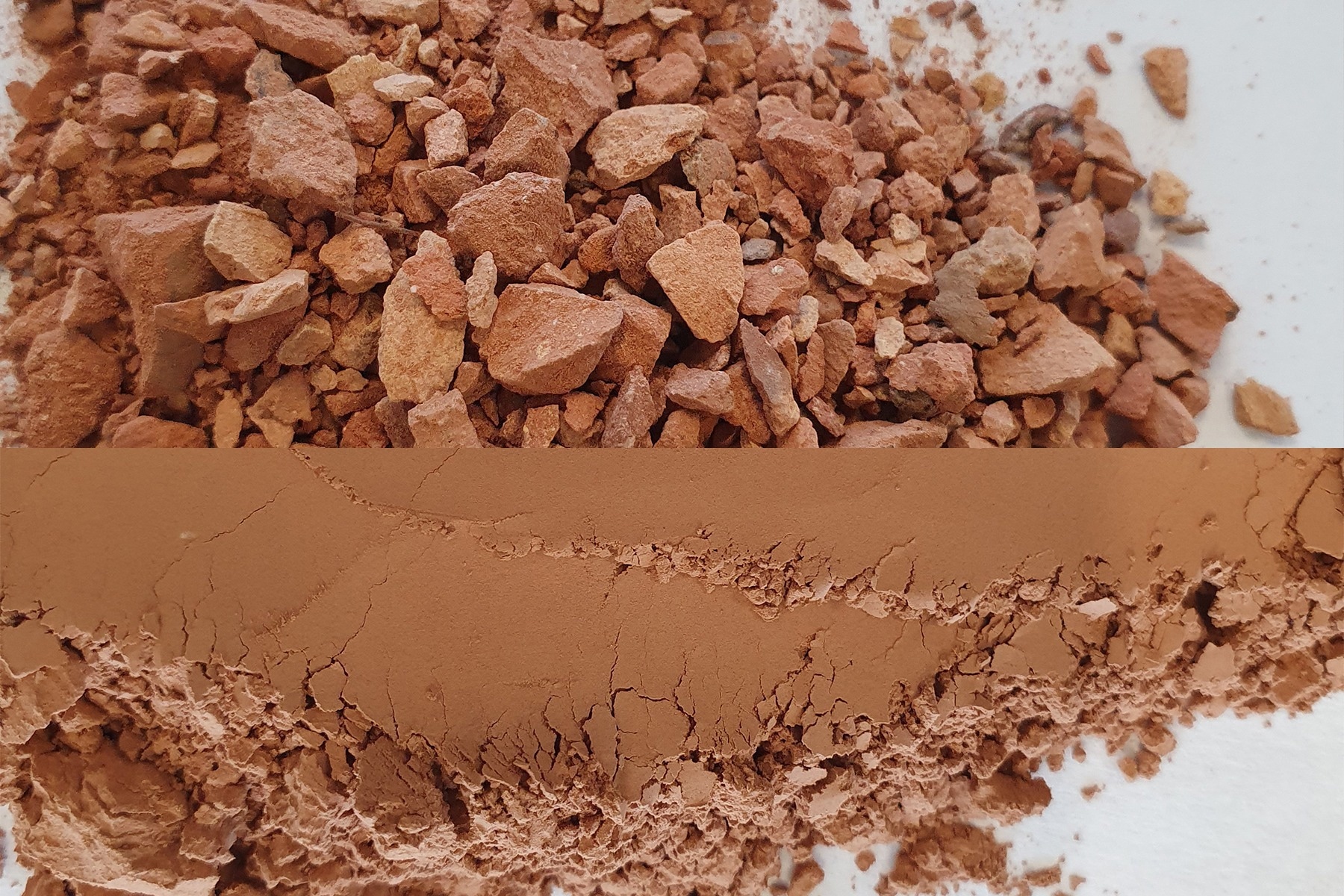
TM 300. One hour | 40 µm. Image Credit: Retsch GmbH
Ball mills operating at moderate speeds and the addition of a few drops of ethanol are recommended, as the material tends to agglomerate in the RS 200 and clog the fine screens in the SK 300.
Recycled Glass
Recycled glass has the potential to play a central role as an SCM in the cement industry, helping to conserve natural resources and lower CO2 emissions. Very finely ground recycled glass forms a glass powder that can develop pozzolanic properties, allowing it to be employed as an SCM.
Key requirements for use as an SCM include an appropriate chemical composition, a high degree of fineness, and consistent input material quality.
Recycled glass can also be employed as a raw material in clinker production, substituting quartz. It only replaces mineral raw materials in this application, however, and is not regarded as a cement substitute. It can also be used as an aggregate in concrete.
Therefore, recycled glass is an ideal example of a secondary raw material that could help make the cement industry more resource efficient and sustainable. Jaw crushers and disc vibratory mills are typically used for homogenization in this scenario.
40 mm, 1 kg
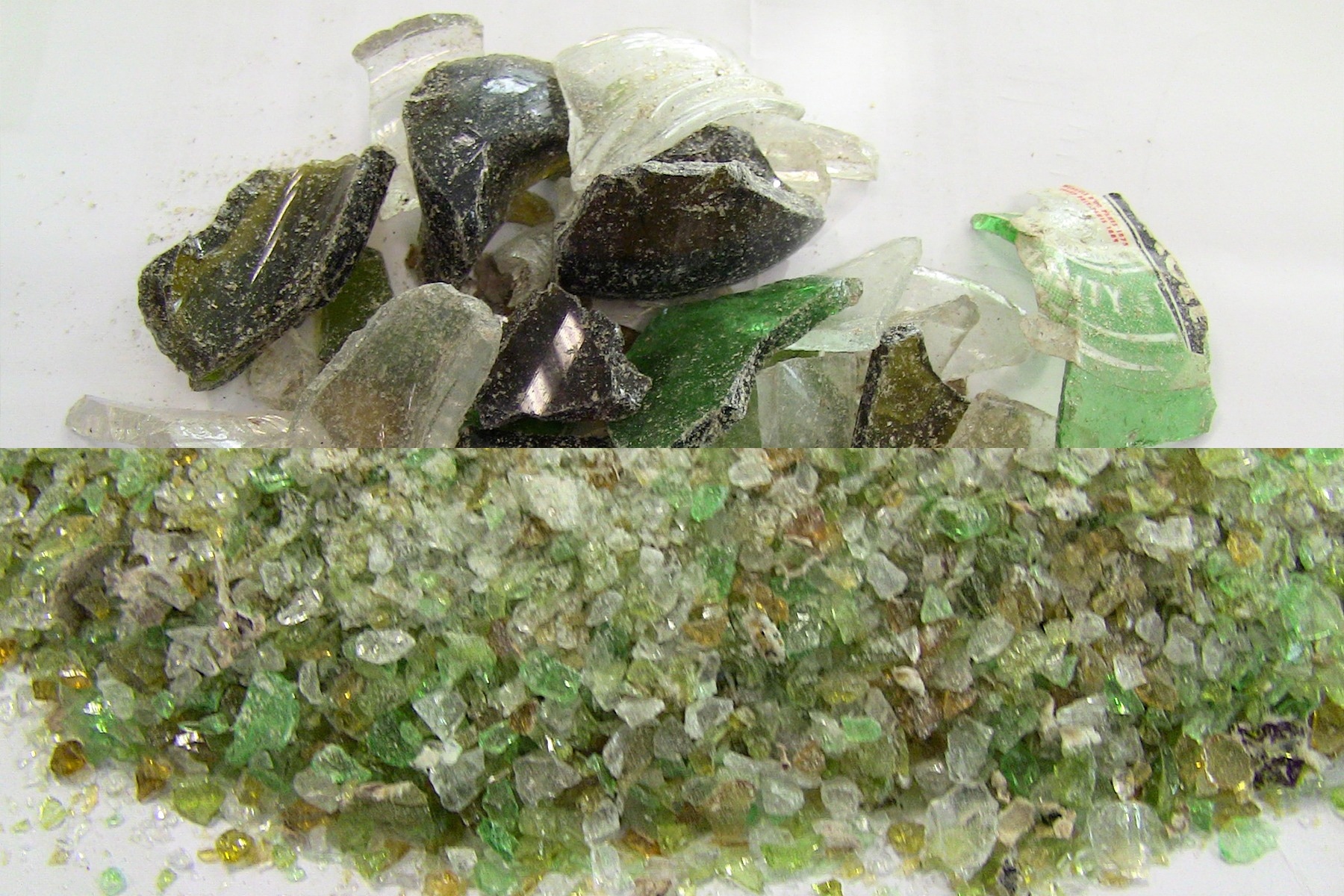
BB 50. Two minutes | 2 mm. Image Credit: Retsch GmbH
50 mm, 100 g
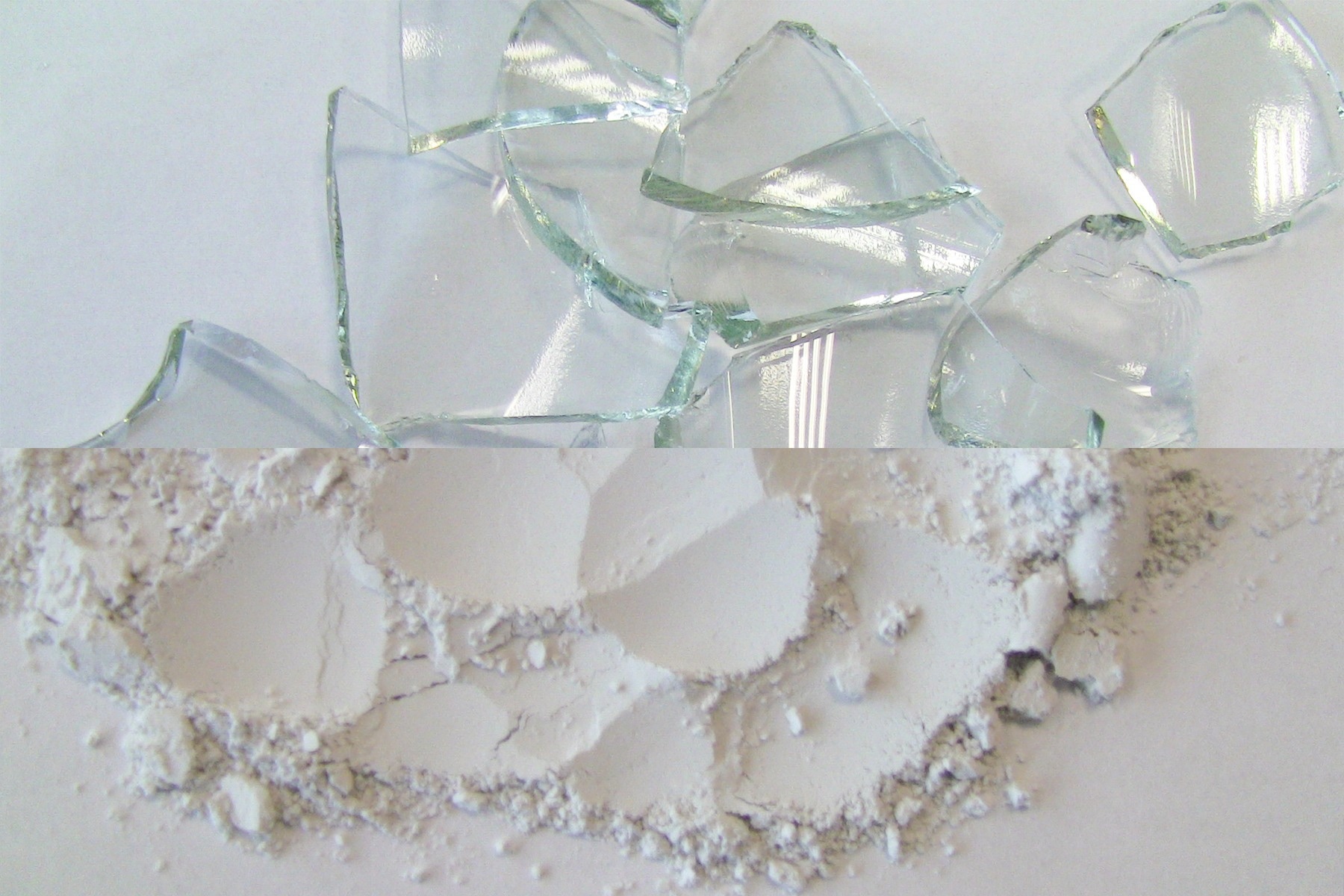
RS 200. 10 minutes | 100 µm. Image Credit: Retsch GmbH
Unburnt Limestone, Seashells, and Pozzolans
It is possible to process a range of mineral cement replacement materials using standard cement lab-grinding equipment. For example, unburnt limestone is ideally processed using jaw crushers followed by ball mills.
Seashells are primarily composed of CaCO3, but they are thinner than typical limestone samples, so they can be efficiently pre-crushed using cutting mills before being finely ground in the Ultra Centrifugal Mill ZM 300.
A six-disc rotor for cutting mills can be used for this purpose, while wear-resistant, tungsten-carbide-coated rotors and distance sieves can also be used in the ZM 300.
Softer supplementary cementitious materials such as volcanic materials like pumice or pozzolans can also be processed using rotor mills.
The ZM 300 is suitable for volumes up to 5 L, while the SR 300 can be used for larger sample quantities. Cyclones facilitate sample discharge for sieve apertures below 1 mm, helping to prevent dust formation.
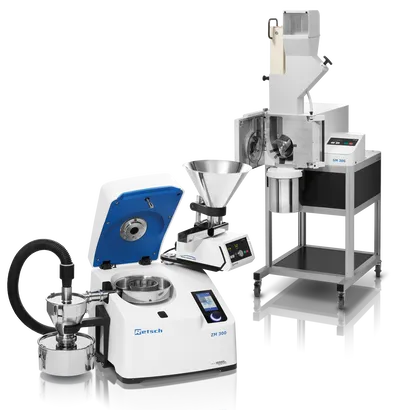
Image Credit: Retsch GmbH
Seashells and Puzzolans
50 mm, 100 g
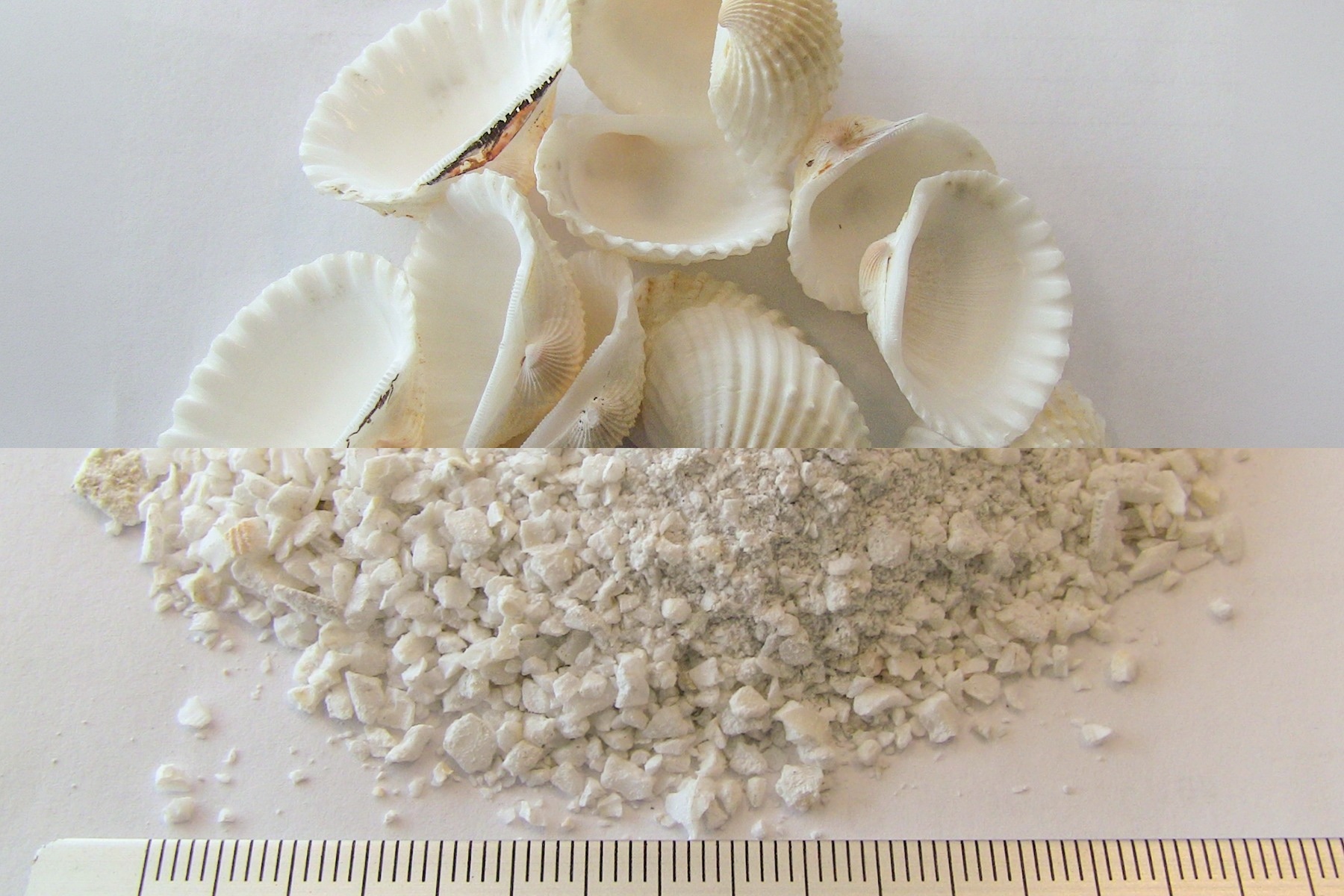
BB 50. One minute | 2 mm. Image Credit: Retsch GmbH
80 mm, 1 kg
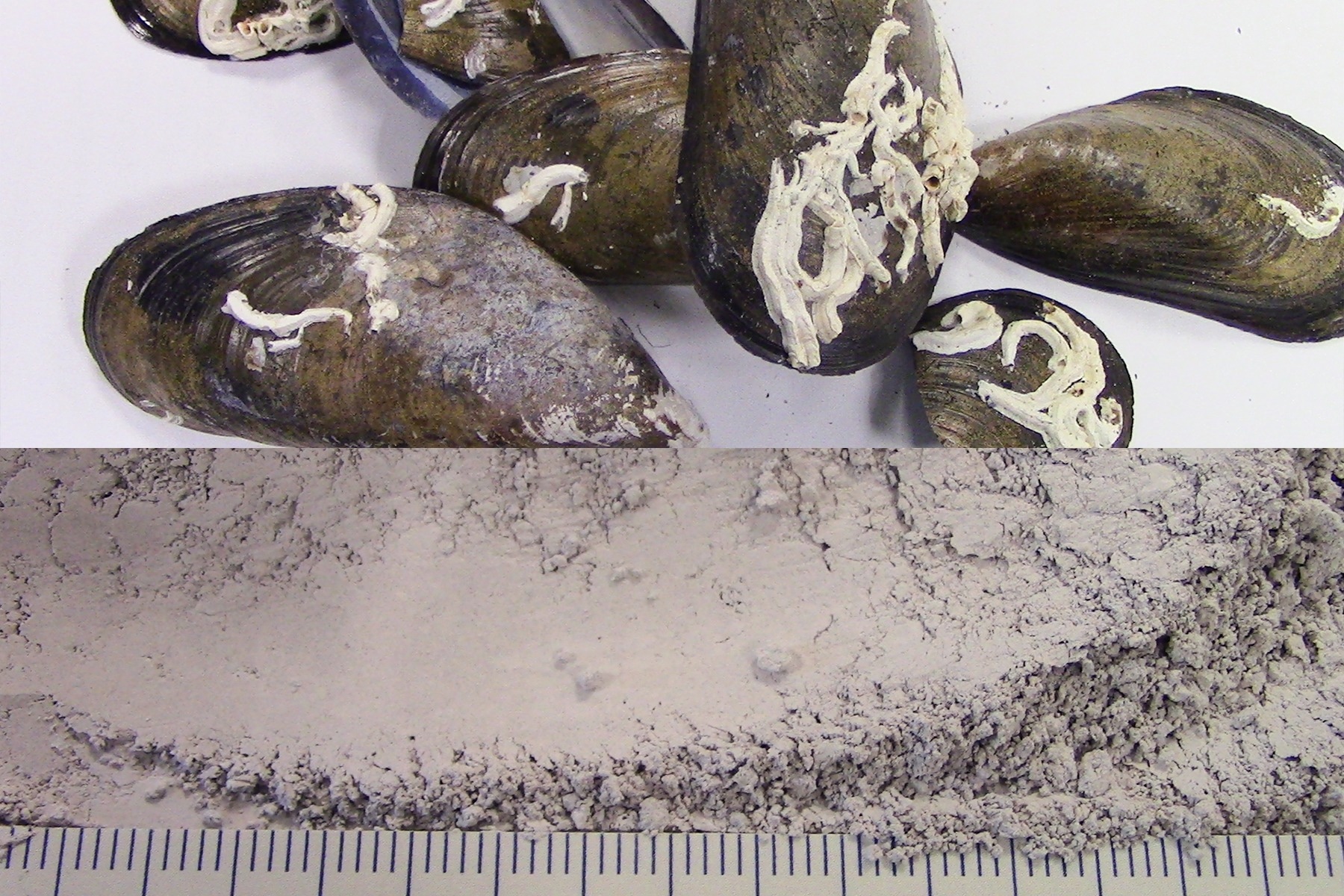
Pre-crushing SM 200. Fine-grinding ZM 300. Three minutes | 0.3 µm. Image Credit: Retsch GmbH
5 mm, 200 g
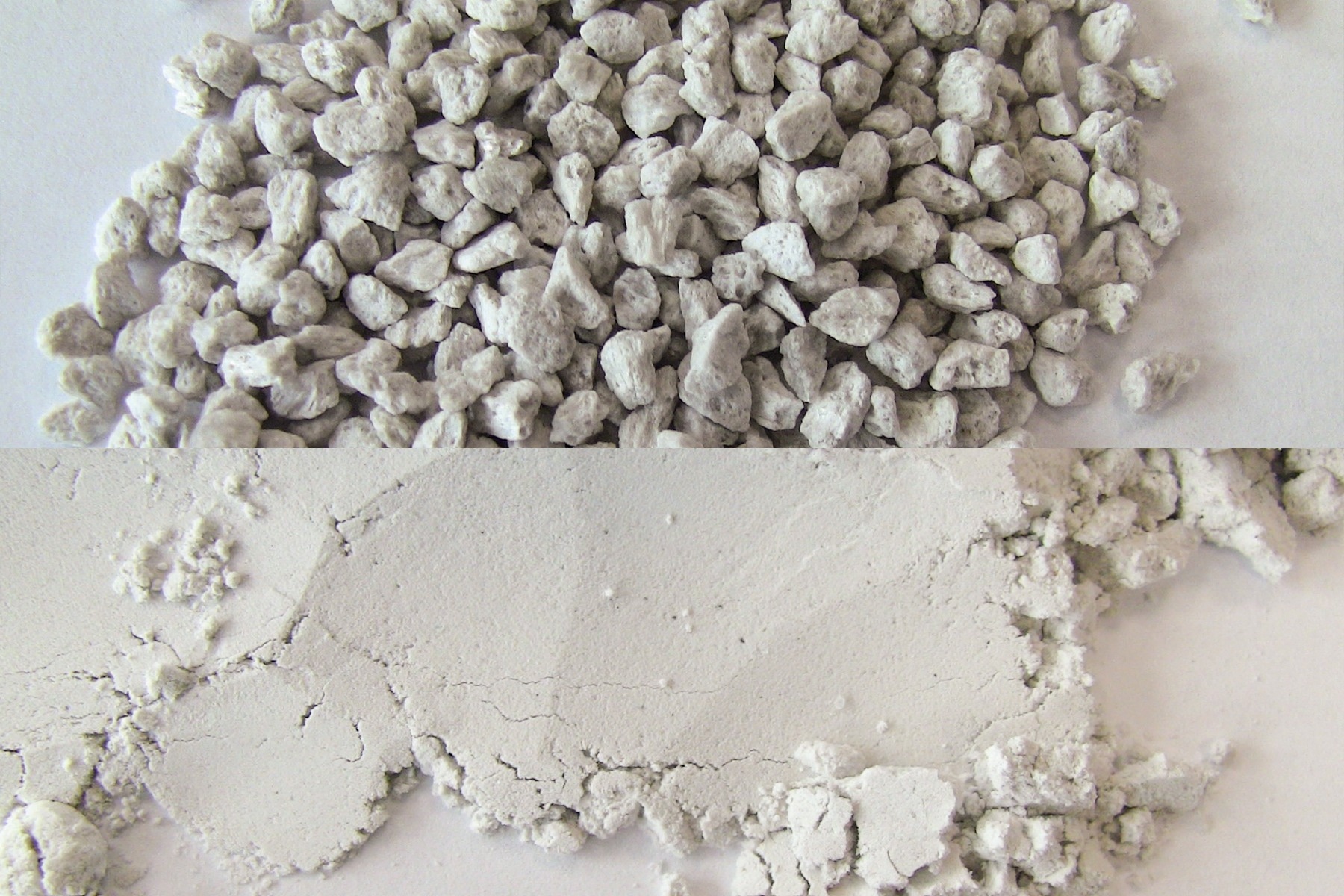
SR 300. 45 seconds | < 500 µm. Image Credit: Retsch GmbH
2 mm, 90 g
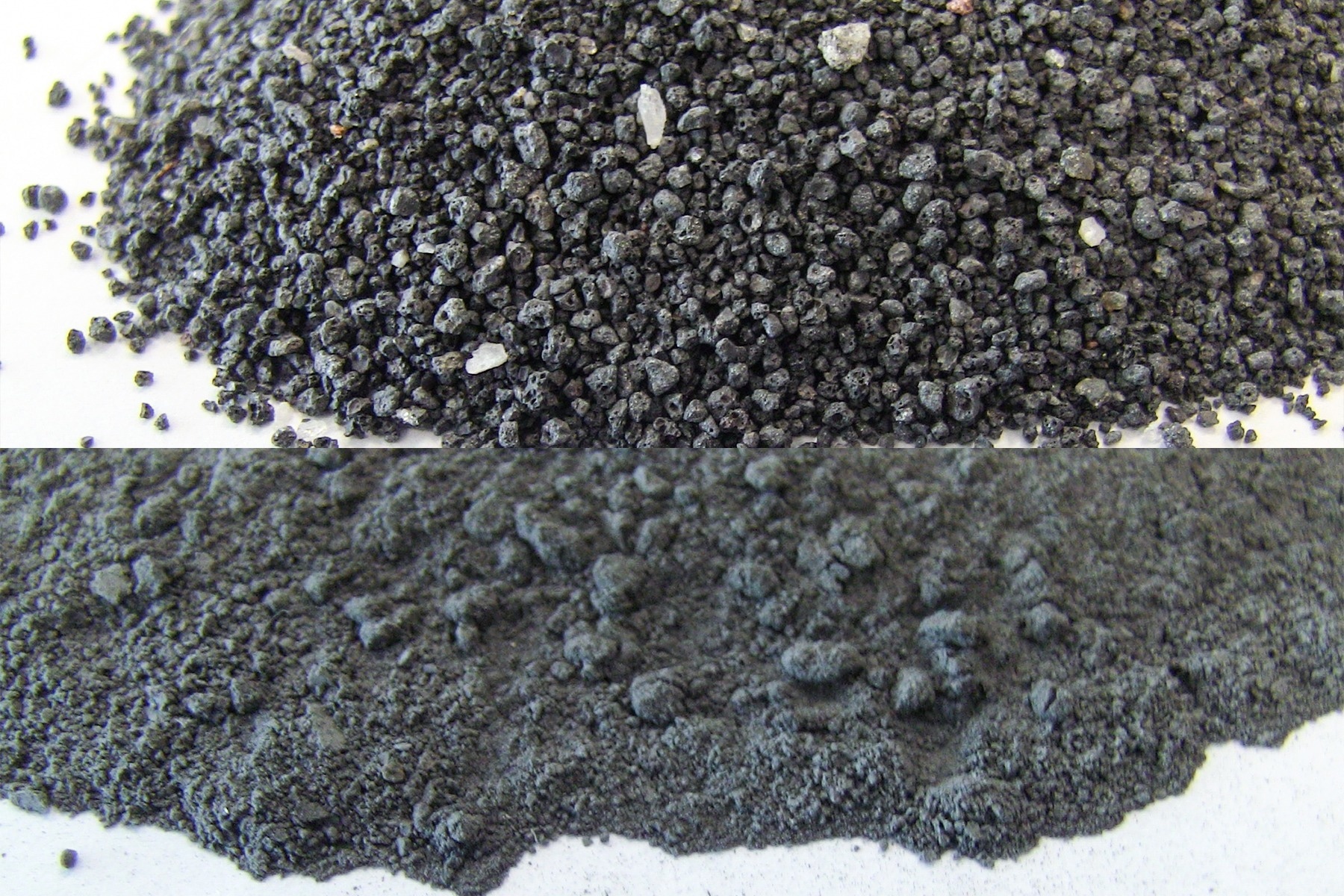
ZM 300. 2.5 minutes | 0.1 mm. Image Credit: Retsch GmbH
Plant-Based SCMs and Ash-Derived Cement Replacement Materials
Ash-derived plant materials can serve as SCMs and cement replacements, particularly those originating from food-industry waste, such as sunflower-seed-hull pellets, rice husks, or straw residues. These materials can be homogenized in the same manner as limestone or slags.
The wear-resistant SK 300 is especially suitable for use with abrasive samples, while ball mills (small to medium sample quantities) or drum mills (larger quantities) are used for fine grinding below 500 µm.
It is also important to analyze the raw plant-based materials themselves. Cutting mills are employed in preliminary size reduction, while the ZM 300 or SR 300 (for larger volumes) are used for fine grinding.
Cyclones should always be considered for fibrous samples, because they cool the material, enhance sample discharge, and prevent dust formation. It is also advisable to ensure slow, steady feeding or use distance sieves to help reduce heat buildup. The DR 100 feeding system facilitates straightforward, more consistent sample introduction.
Managing Pellet-Particle Fineness
If it is necessary to reduce the ground sample’s fiber content, the speed of the rotor in the rotor mill can be reduced, or the sieves in cutting mills or the SR 300 can be installed in reverse orientation.
Very fine grinding, typically below 50 µm, is required for XRF analysis. The choice of ball mills or rotor mills for this grinding depends on the downstream analysis. For example, ball mills deliver finer results but take longer and may generate more metal abrasion,3 but if abrasion is not critical, reproducible XRF results are typically more achievable with finer grinding.2
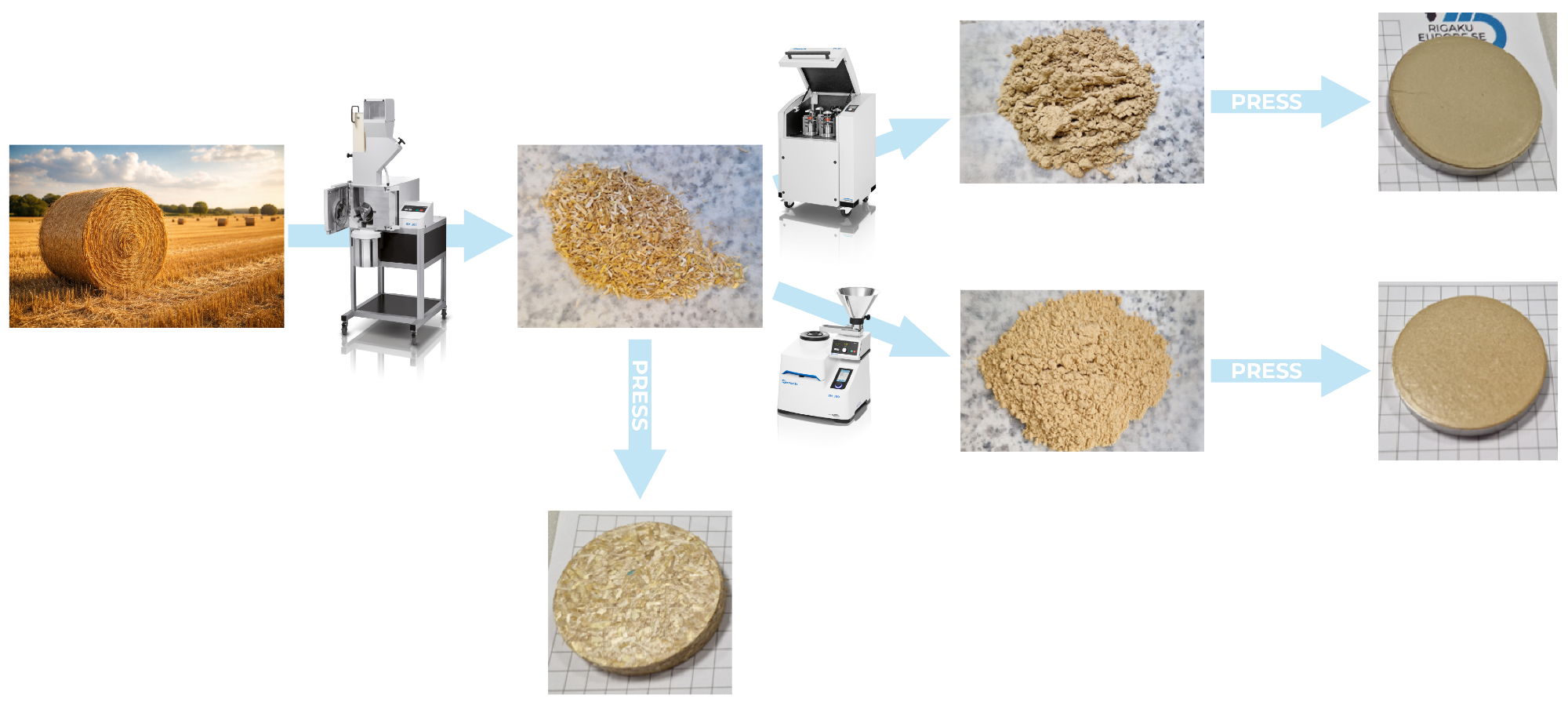
Image Credit: Retsch GmbH
Plant Samples
Walnut Shells 40 mm, 500 g
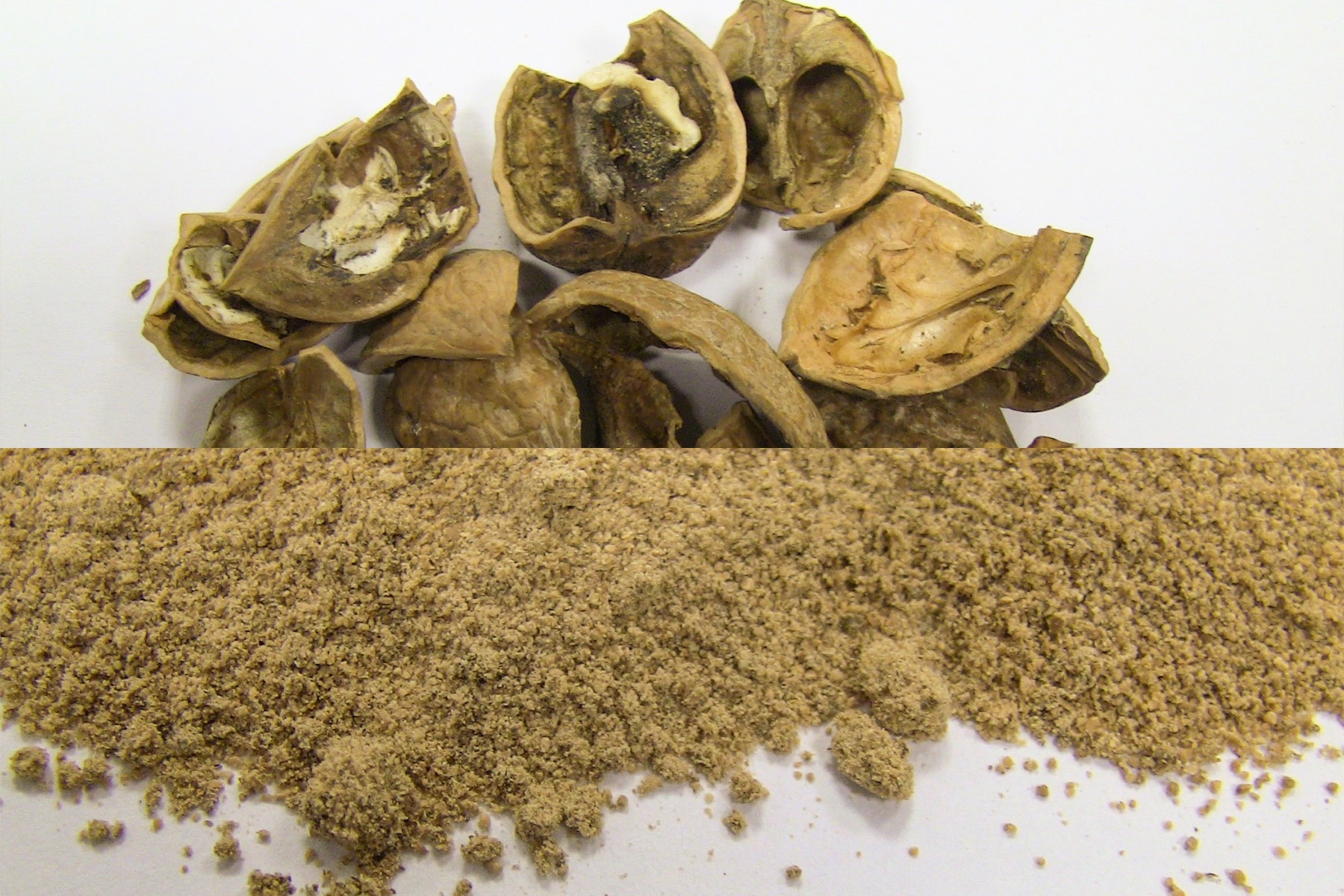
SK 300. 7.5 minutes | 150 mm. Image Credit: Retsch GmbH
Rice Husks 8 mm, 200 g
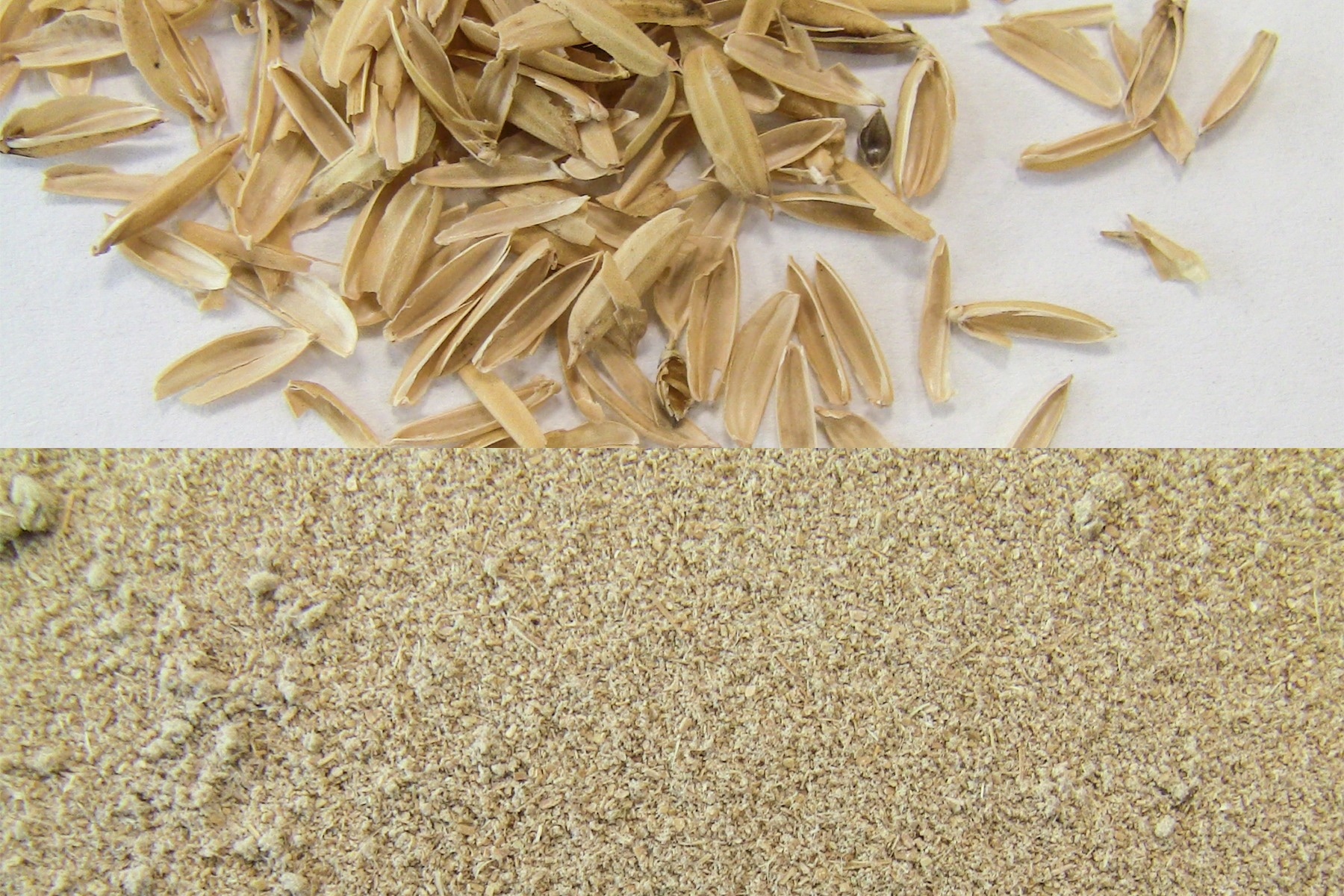
ZM 300. Eight minutes | 0.5 mm. Image Credit: Retsch GmbH
Ash from Rice Husks 15 mm, 450 g
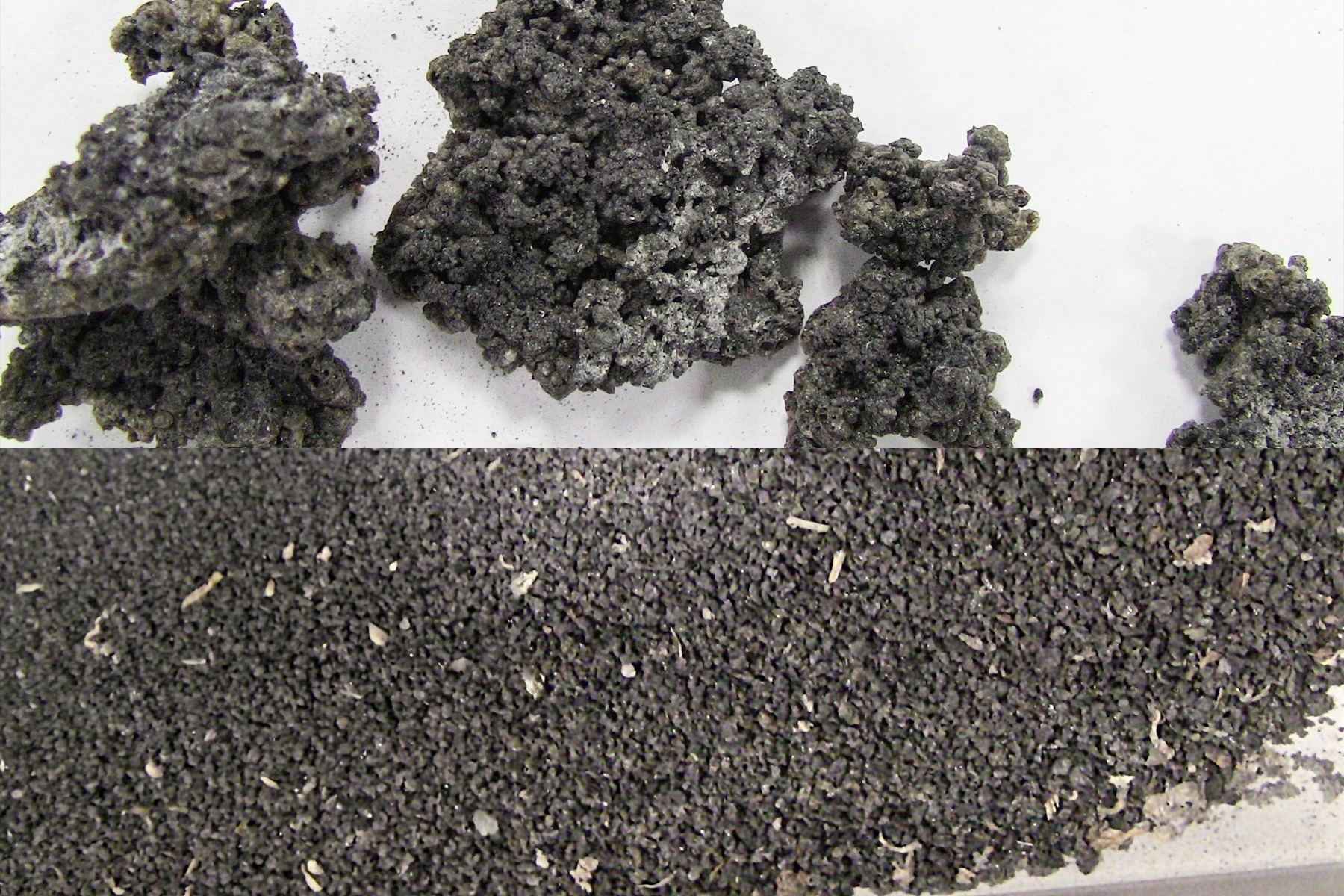
SK 300. Two minutes | 1 mm. Image Credit: Retsch GmbH
Sunflower Seed Husk Pellets 30 mm, 500 g
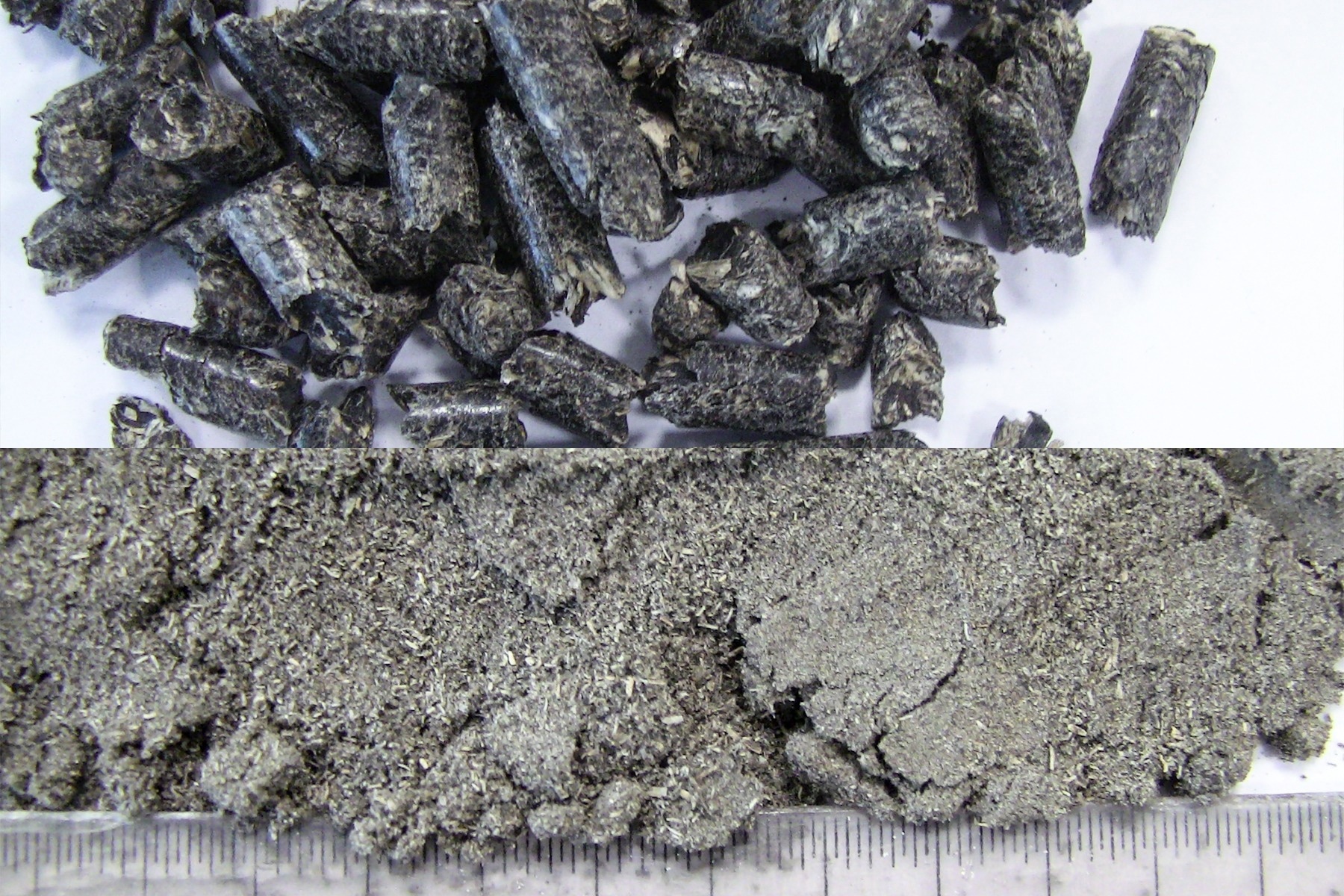
ZM 300. 15 minutes | 0.5 mm. Image Credit: Retsch GmbH
Straw 20 mm, 300 g
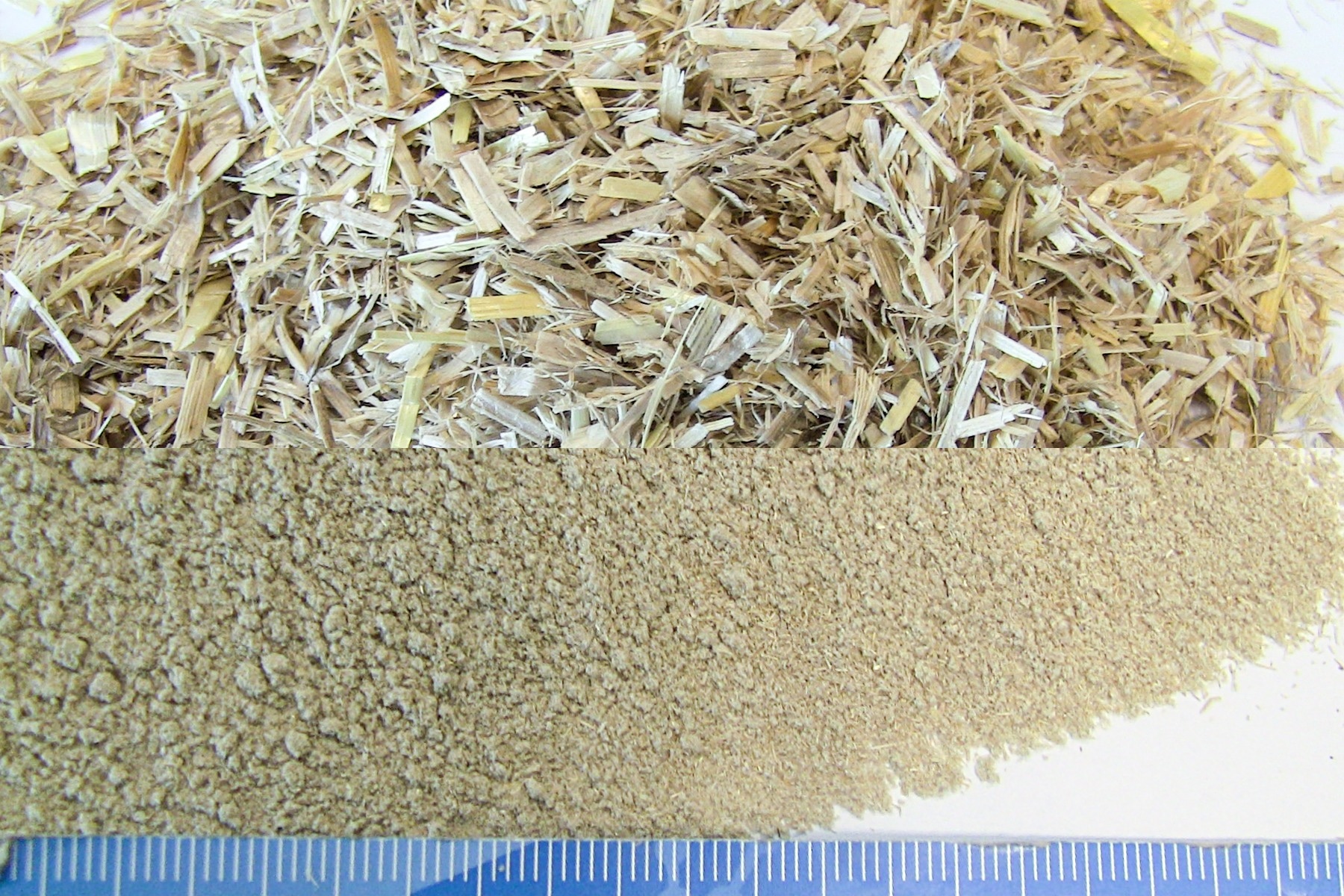
SR 300. Seven minutes | < 200 µm. Image Credit: Retsch GmbH
Clay Calcination Alternatives and Activation Technology for Clays
Activated clays are among the most promising supplementary cementitious materials because they can be locally sourced, are globally available, and facilitate significant clinker reduction.
Reactive clays are traditionally produced via calcination, but mechanochemical activation is emerging as an ideal activation technology that offers a viable alternative in some applications.
Mechanochemical activation of clay uses mechanical energy to enable amorphization, alter crystal structure, and increase reactivity. This is typically performed using ball mills such as the PM 100 or PM 300, allowing a wide range of local clay types to be used as cement replacement materials.
The PM 100 and PM 300 are highly suitable for this process at both laboratory and pilot scale. Studies have shown that mechanically activated clays are structurally modified, finer, and more chemically reactive than calcined clays, particularly those clays with high mica content.
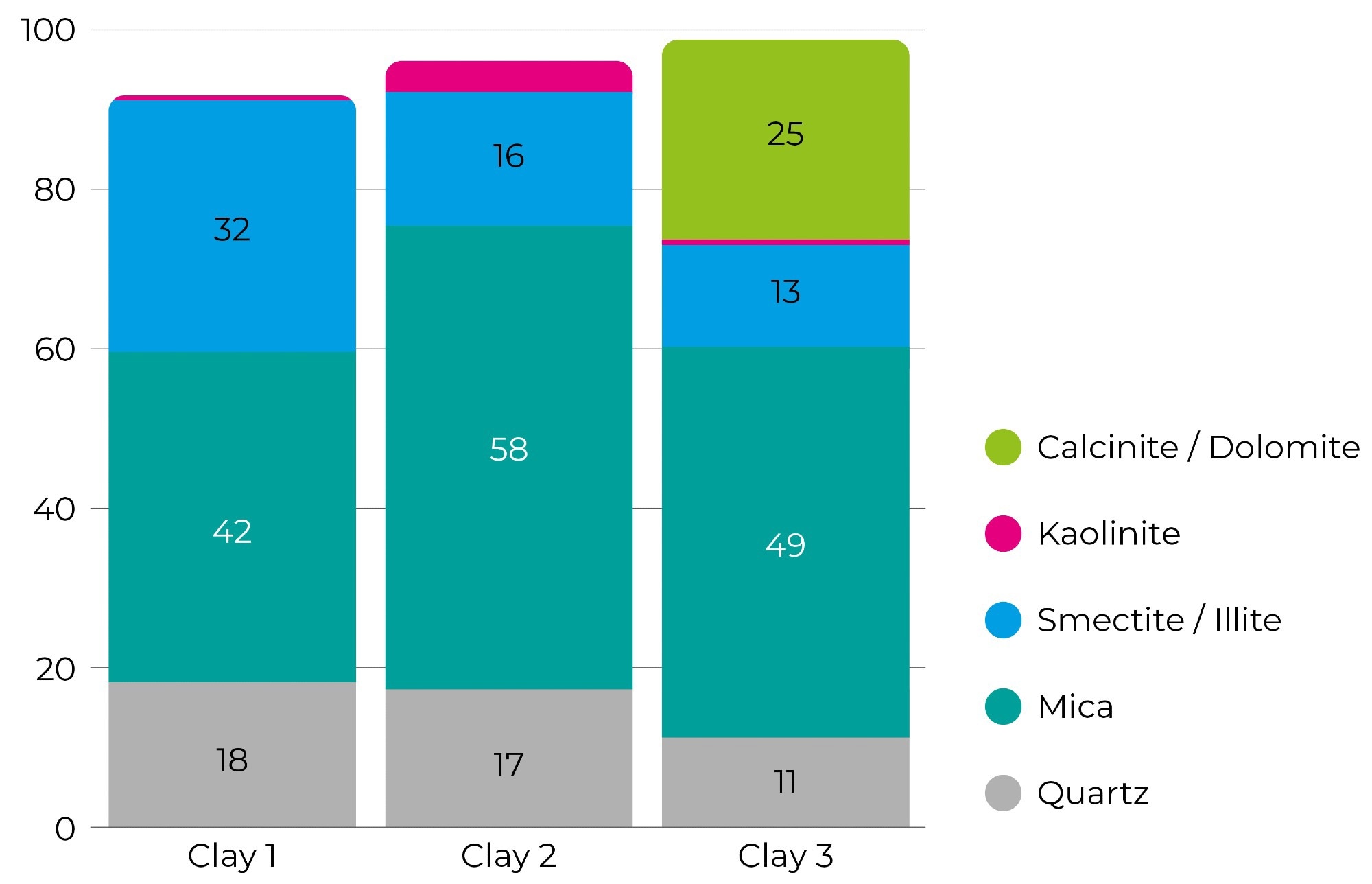
Image Credit: Retsch GmbH
The GrindControl system is a key element of activation technology process control, continuously measuring pressure and temperature inside the grinding jar, providing important insights into mechanochemical reactions, and helping to prevent overheating. The instrument’s sensors are compatible with a range of jar sizes.
Temperature and pressure rise significantly during clay activation, indicating gas release and mineral transformation. Monitoring this is key to effectively controlling reactivity and ensuring consistent SCM product quality.
The collected measurement data can also support conclusions around clay composition; for instance, materials featuring higher dolomite content generate higher pressures due to CO2 release.1
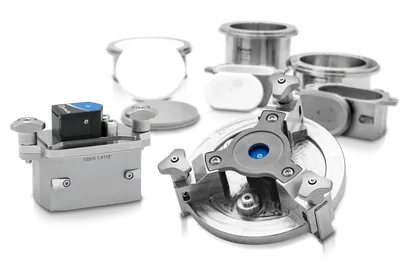
Image Credit: Retsch GmbH
Reactivity of Different Clays After Thermal and Mechanical Activation
A recent study examined how energy input during mechanochemical activation affected the chemical reactivity of clays, with a focus on planetary ball mills.2 The planetary ball mill is a popular laboratory tool due to its ability to precisely adjust key parameters such as ball-to-powder ratio, rotational speed, and milling duration.
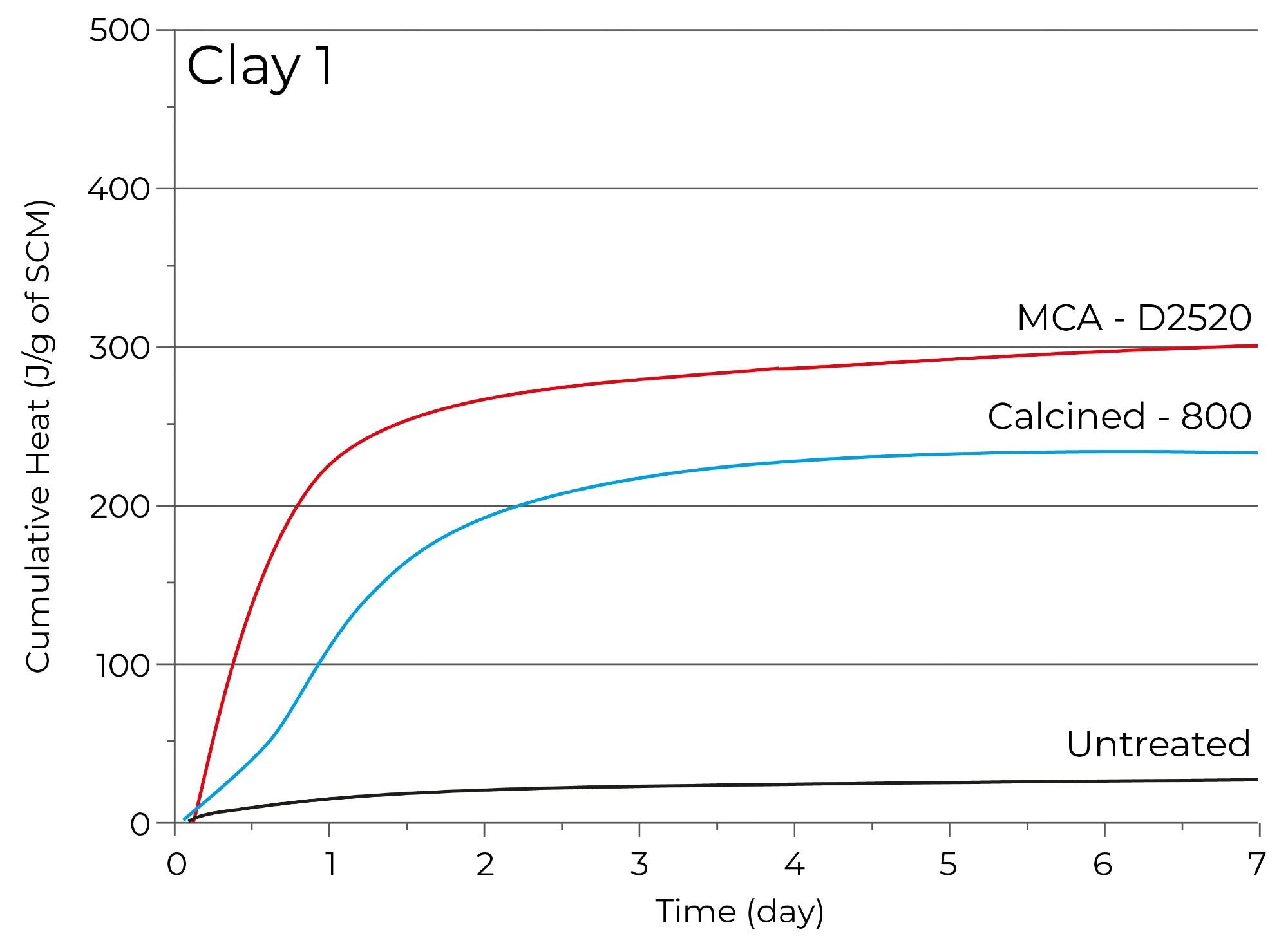
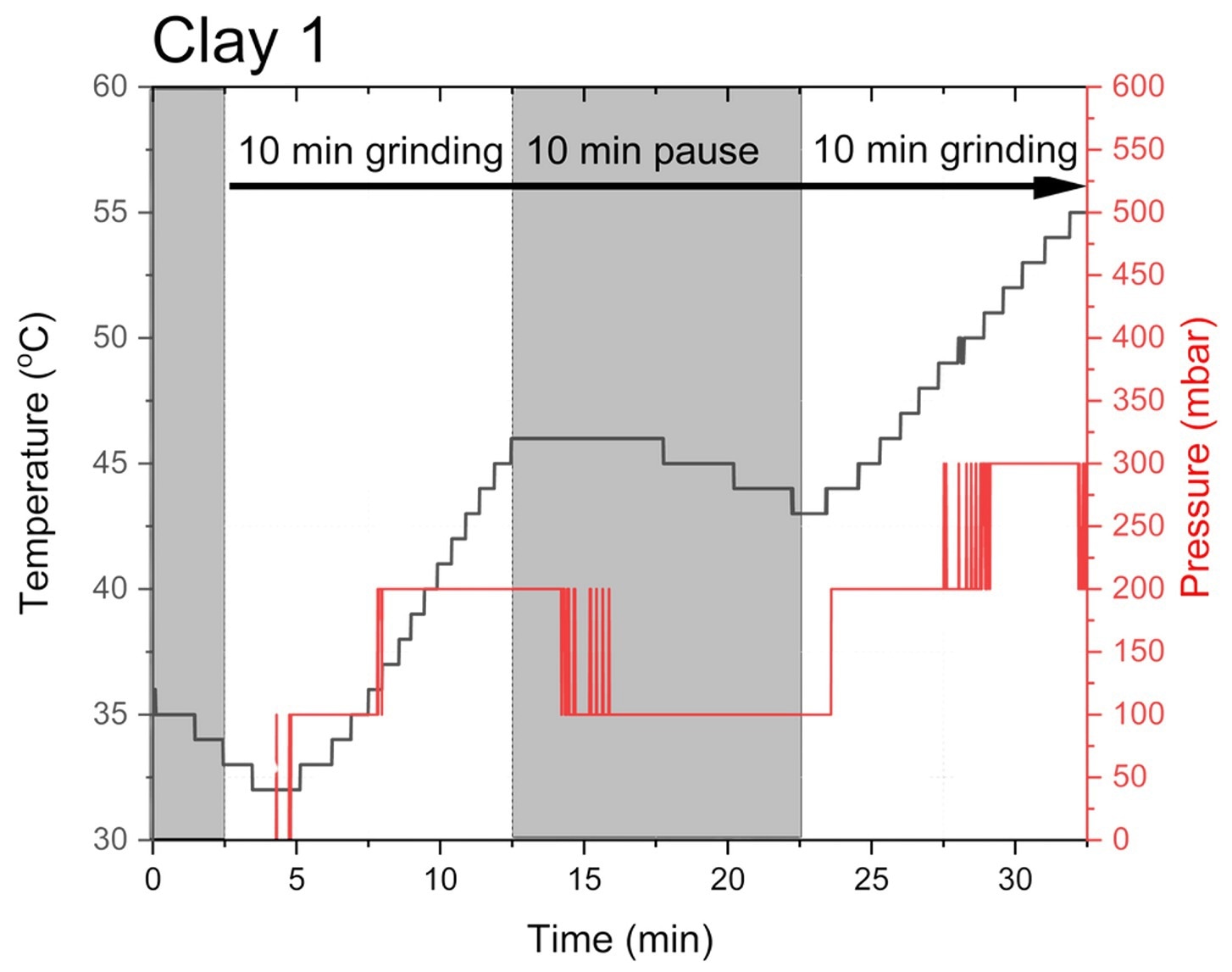
Image Credit: Retsch GmbH
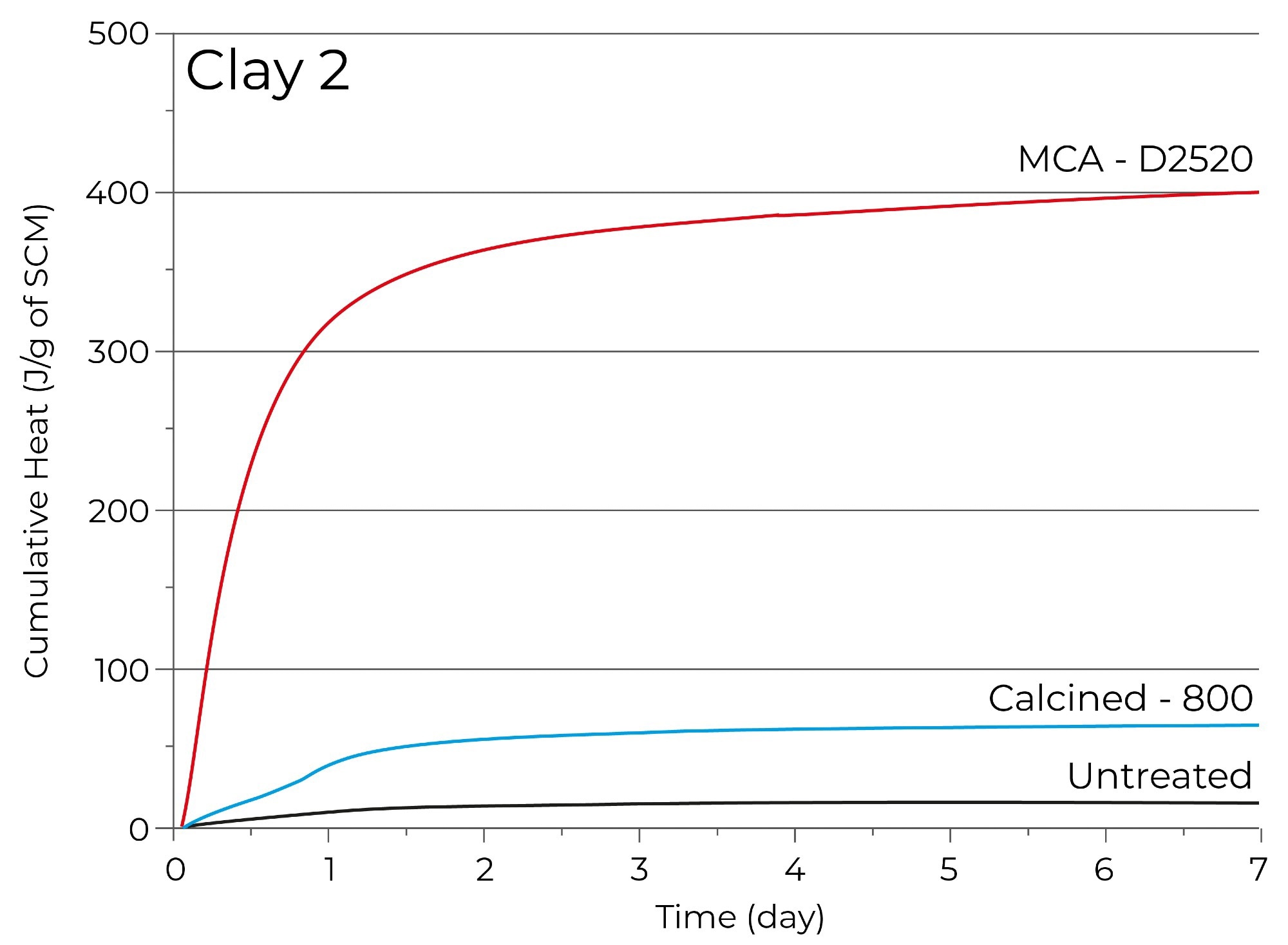
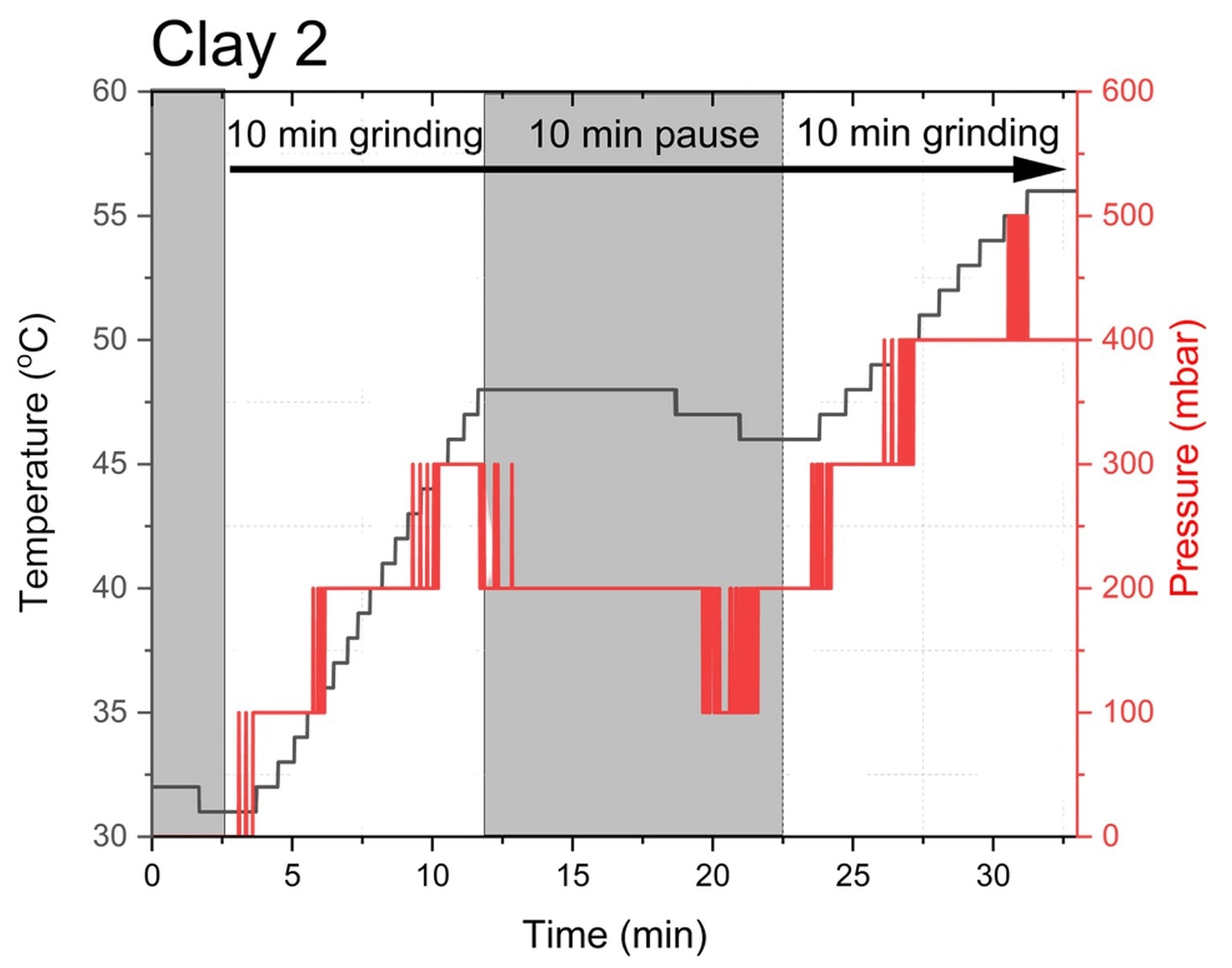
Image Credit: Retsch GmbH
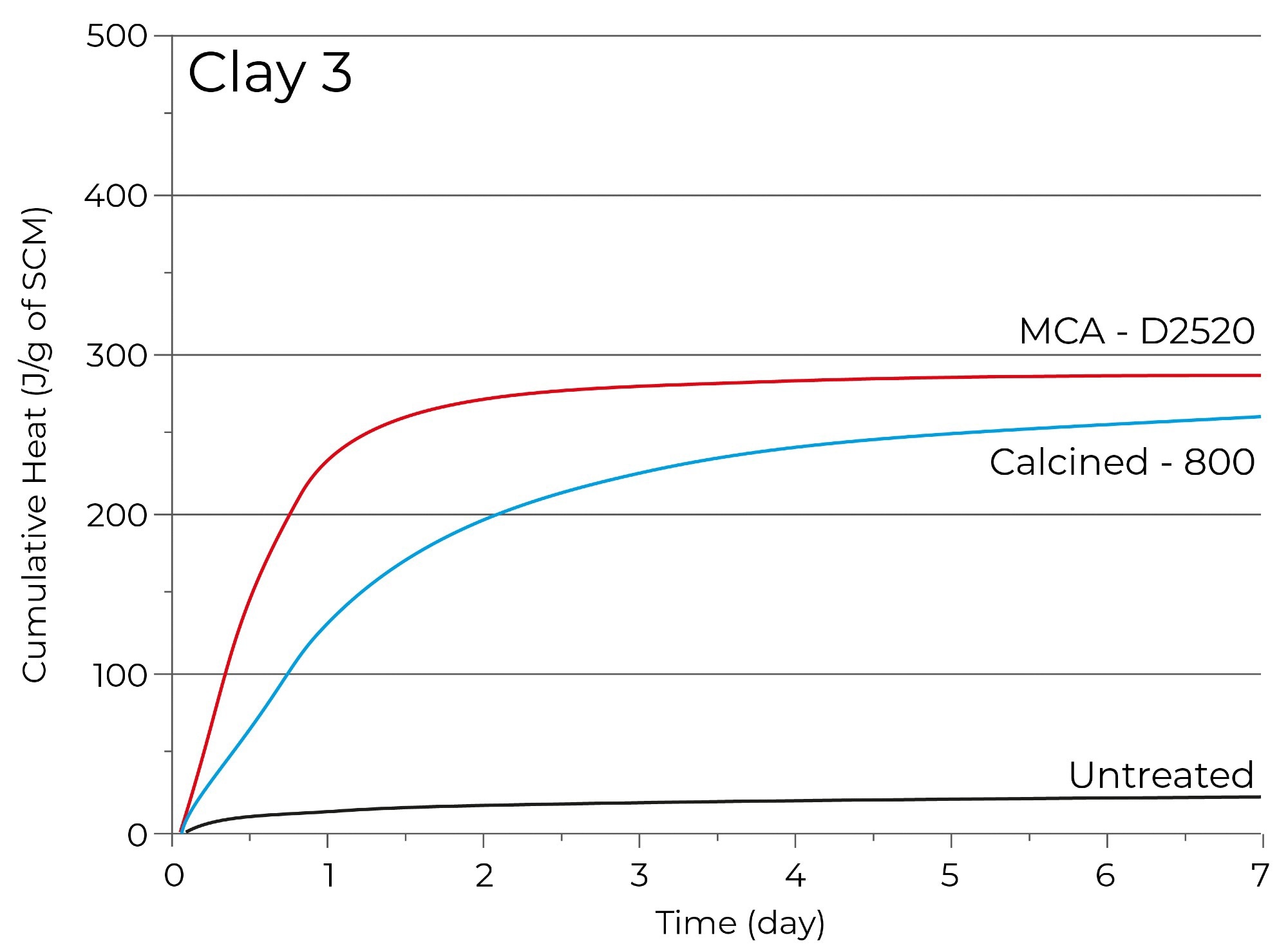
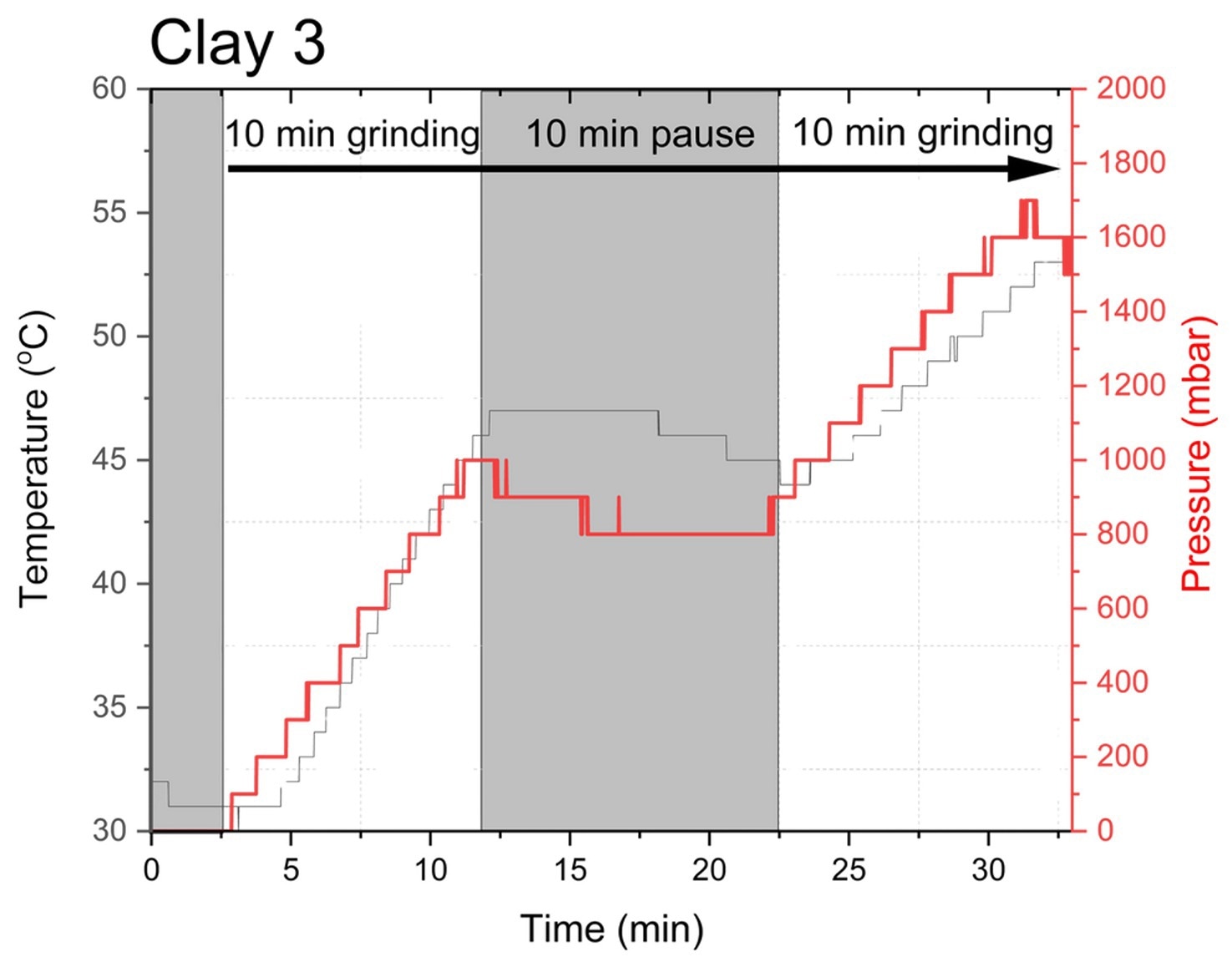
Image Credit: Retsch GmbH
The researchers analyzed almost 100 data points, identifying a strong correlation between energy input and the resulting clay reactivity. Chemical reactivity was found to increase rapidly with rising energy input up to approximately 100 kJ/g, while further increases exhibited only minor additional effects.
In practical terms, operating the PM 300 planetary ball mill at high speeds (for example, 850 rpm) offers considerable benefits by maximizing energy input and accelerating the activation process for clay-based SCMs.
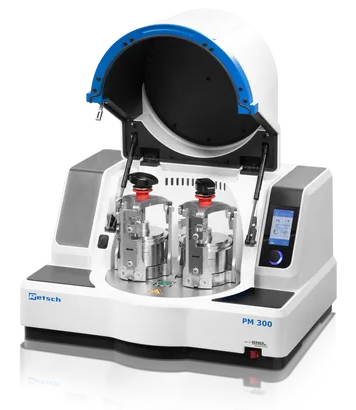
Image Credit: Retsch GmbH
Different milling conditions were tested via an experiment at the University of Bath.1 Planetary ball mills were tested to determine the optimum parameter configuration for the highest clay activation with minimal energy consumption.
Higher ball-to-powder ratios of 25 were determined to be beneficial, alongside a higher speed of at least 600 rpm. Remarkable reactivity was achieved in just 20 minutes using these settings, with the lowest energy consumption found to be only 0.22 kWh.
The Vibratory Disc Mill RS 200 can also be used for clay activation, although this was found to achieve slightly lower activation rates. This tool was found to be beneficial when the filling level was not too high, with a 40 g sample determined to be optimal.
A higher speed of 1400 rpm appeared to be beneficial in this instance, while time and energy consumption were found to be in the same range as planetary ball mills.
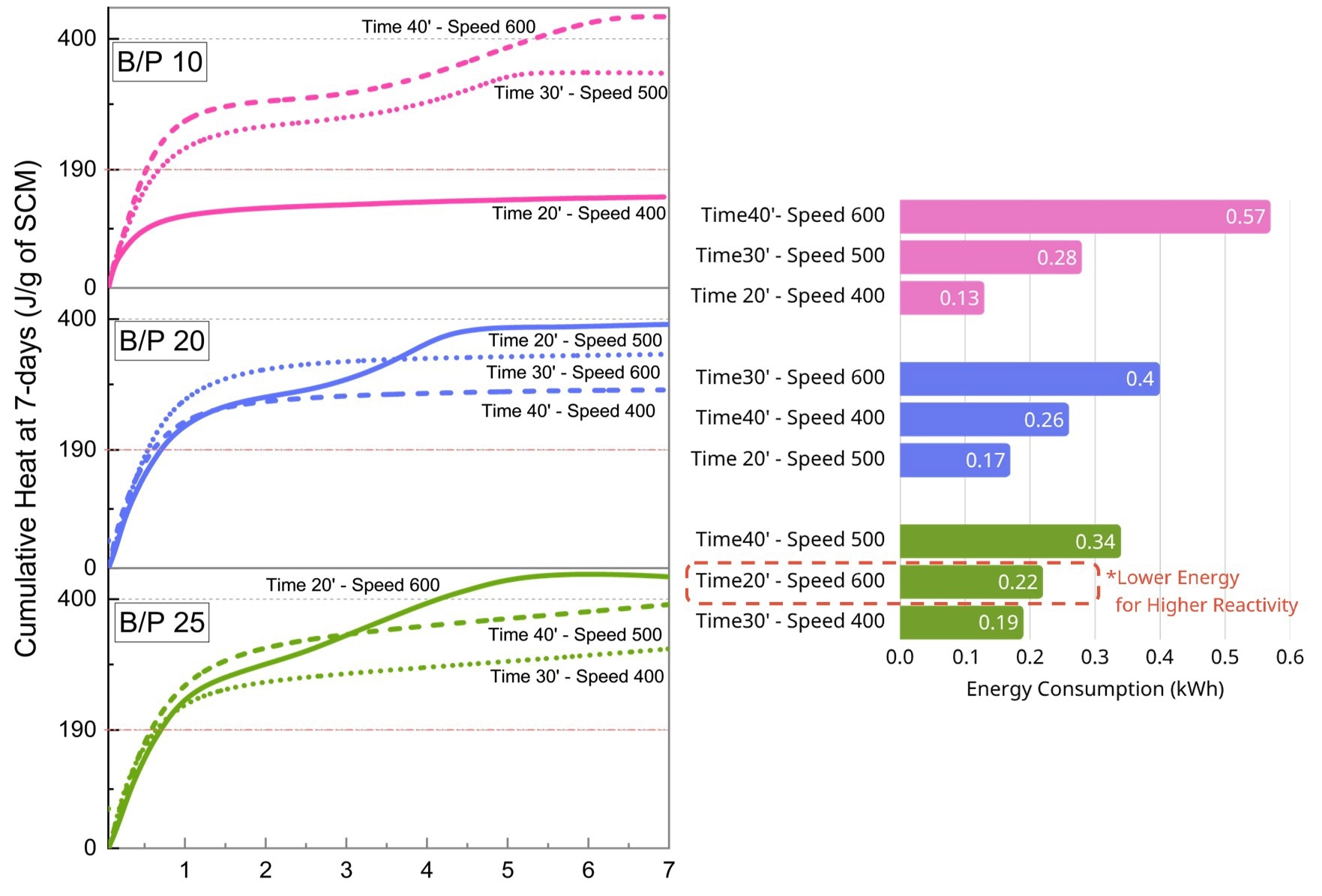
Image Credit: Retsch GmbH
References and Further Reading
- Tole, I., et al. (2022) Enhancement of the pozzolanic activity of natural clays by mechanochemical activation. Construction and Building Materials, 352, 128739. DOI:10.1016/j.conbuildmat.2022.128739. https://www.sciencedirect.com/science/article/pii/S0950061822023960.
- Marsh, A. T. M. (2026) Relationsship between milling input energy and chemical reactivity for mechanochemical activation of clays. Royal Society of Chemistry. DOI: 10.1039/d5mr00088b. https://pubs.rsc.org/mr/article/3/2/201/1241565/Relationships-between-milling-input-energy-and.

This information has been sourced, reviewed, and adapted from materials provided by RETSCH GmbH.
For more information on this source, please visit RETSCH GmbH.