Sponsored by RETSCH GmbHReviewed by Olivia FrostOct 1 2026
Cement grinding is a key cement manufacturing step, starting with the preparation of raw materials.
Limestone, clay, sand, and other raw materials are initially subjected to crushing to reduce their particle size. Crushed materials are then ground into raw meal before being heated in a rotary kiln at approximately 1450 °C.
Clinker is formed during this thermal process, and CO2 is an unavoidable byproduct. The clinker is subjected to cement grinding after cooling, where it is ground together with additives such as gypsum to produce the final cement product.
Heating the raw meal in the kiln is the most energy-consuming step in cement production. Electrical energy is also needed for limestone crushing, cement grinding, and conveying processes.
Approximately 50% of total CO2 emissions stem from the chemical calcination reaction in the rotary kiln, while the remaining emissions originate from electricity consumption and fuel combustion.
These process-related CO2 emissions are inherent to cement production, even when renewable energy sources are used.
Cement is ultimately mixed with aggregates and water to produce mortar or concrete. All raw materials, intermediate products, and final products must undergo strict quality control to ensure consistent product quality.
This means that laboratory analyses and reliable sample preparation via crushers and mills are key components of contemporary cement production.
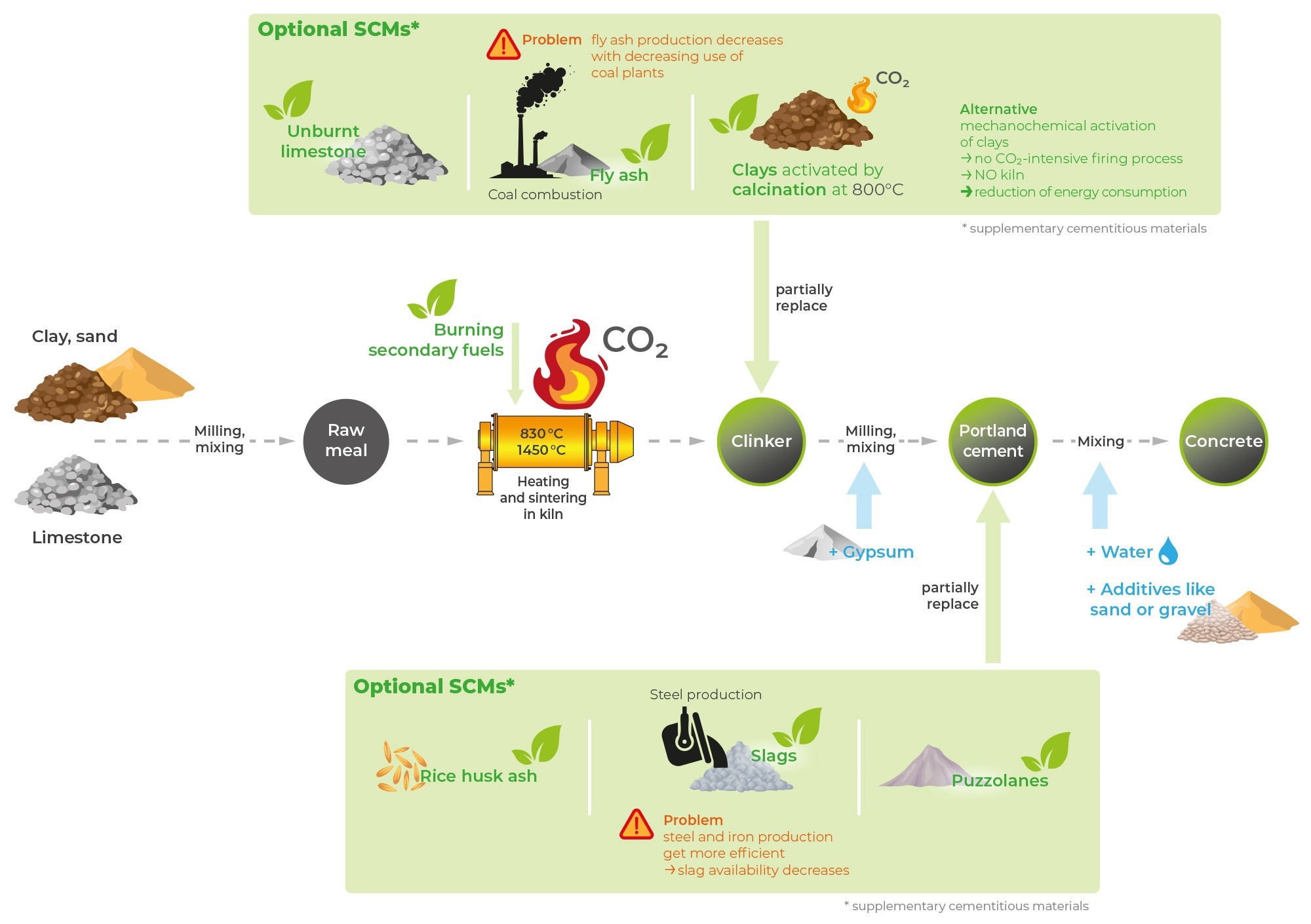
Image Credit: RETSCH GmbH
Crushing Limestone and Clay
Limestone and clay are the primary raw materials employed in cement production. These materials must be homogenized prior to analysis for quality control and process optimization purposes.
Crushing limestone is generally the first step, because this step determines final fineness and downstream grinding efficiency. Key parameters when selecting suitable equipment include the initial particle size, sample quantity, and target fineness.
Jaw crushers are widely used for limestone and clay before crushing, and a wide range of jaw crusher models is available, enabling optimal adaptation to varying sample characteristics. For example, small laboratory batches can be processed in the BB 50, while larger sample quantities can be processed at a rate of up to 3.5 t per hour in the BB 600.
Hammer mills such as the HM 200 can also be used, as crushing limestone and clay does not generally involve extremely hard materials, meaning it is not too difficult for this type of mill.
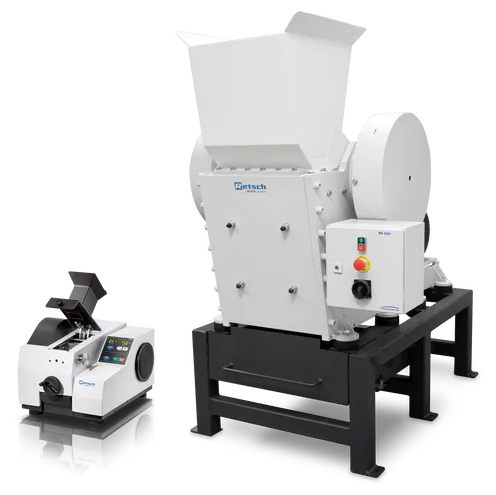
Image Credit: RETSCH GmbH
Subsequent fine grinding to particle sizes of less than 40 µm is generally performed in ball mills. Cement grinding principles still apply at laboratory scale, meaning that sample quantity remains the decisive factor when choosing an appropriate mill. Solutions are available for efficient and reproducible grinding ranging from a few milliliters to kilogram-scale samples.
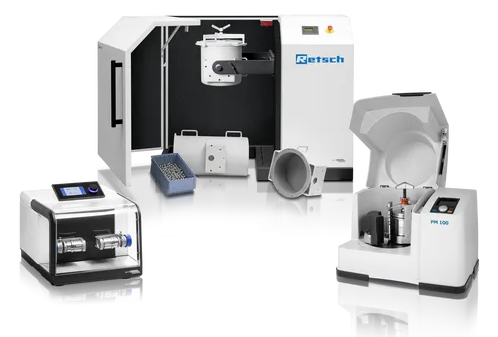
Image Credit: RETSCH GmbH
Rotor beater mills, such as the SR 300, can also be used to crush limestone and clay samples. These mills can process significantly larger sample quantities than planetary ball mills while accepting feed sizes of up to 25 mm, achieving final fineness values of around 100 µm.
Drum mills such as the TM 300 are also capable of handling larger volumes, but they take considerably more time to reach a fineness range of 100 to 300 µm.
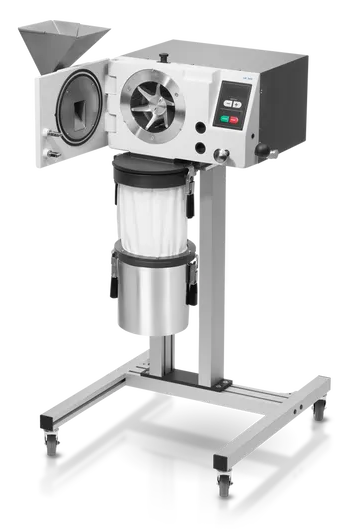
Image Credit: RETSCH GmbH
Limestone Samples
30 mm, 0.5 kg
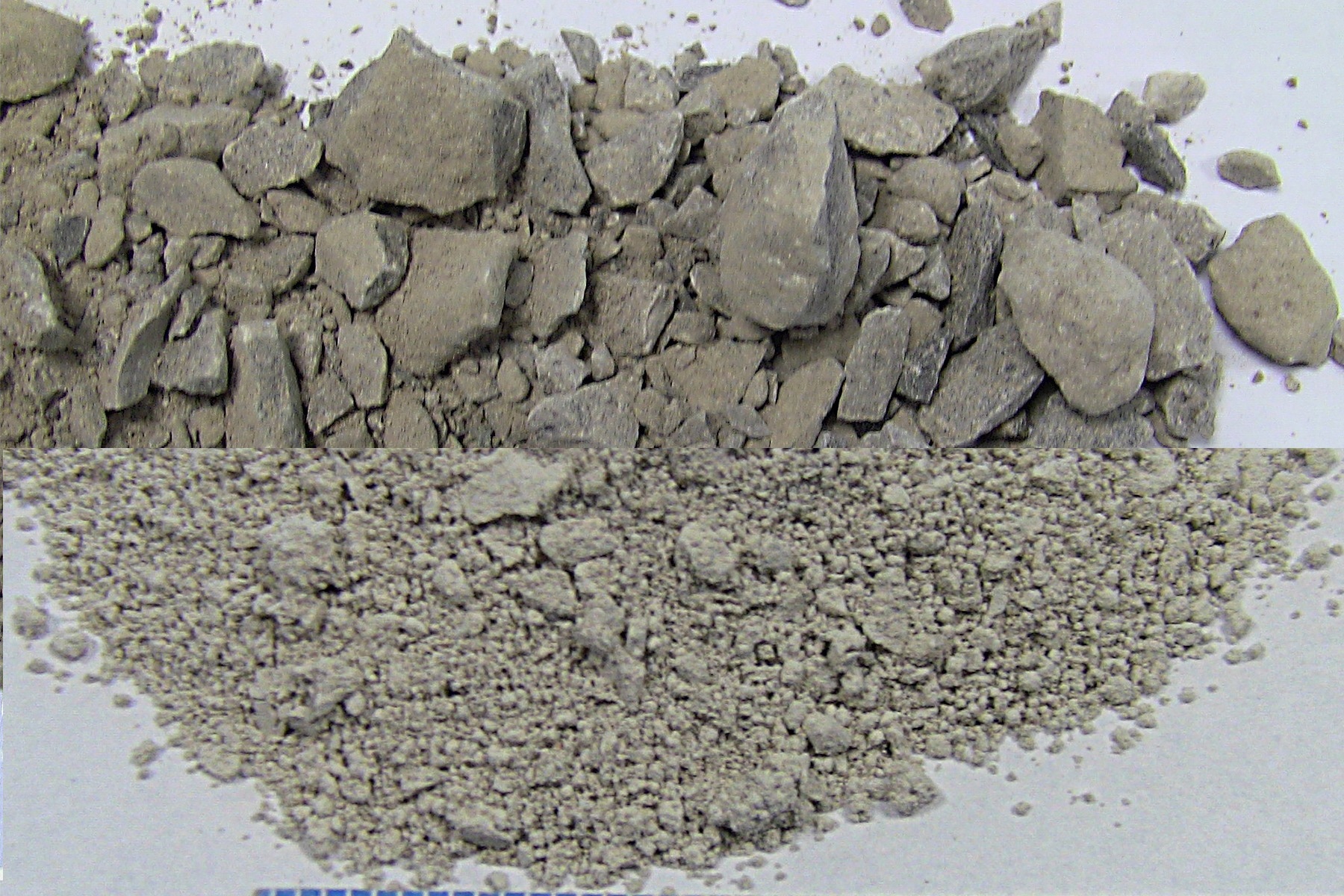
Pre-crushing BB 250. Fine-grinding TM 300. 45 minutes | <45 µm. Image Credit: RETSCH GmbH
15 mm, 200 g
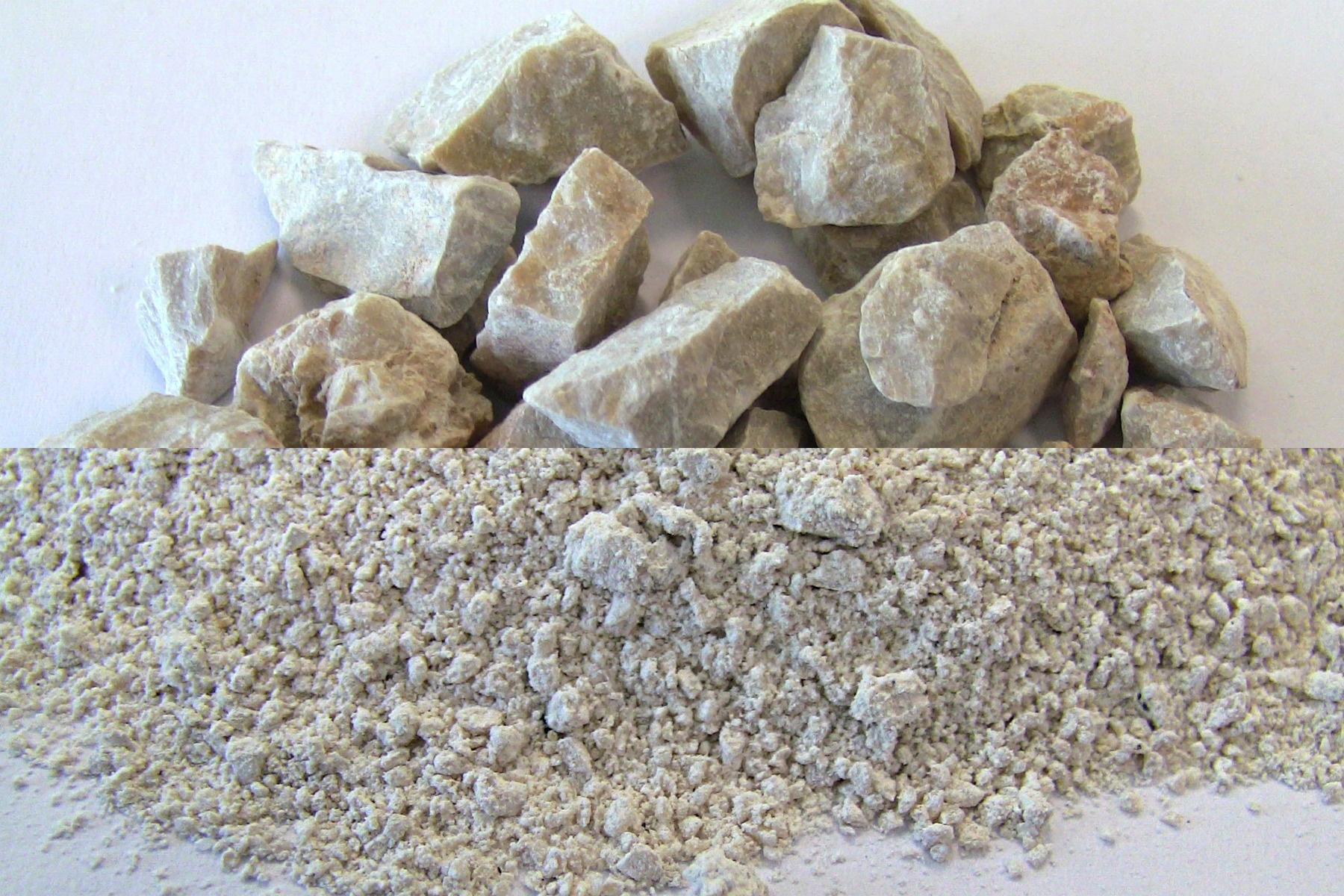
BB 50. 2.5 minutes | <1 mm. Image Credit: RETSCH GmbH
10 mm, 10 kg
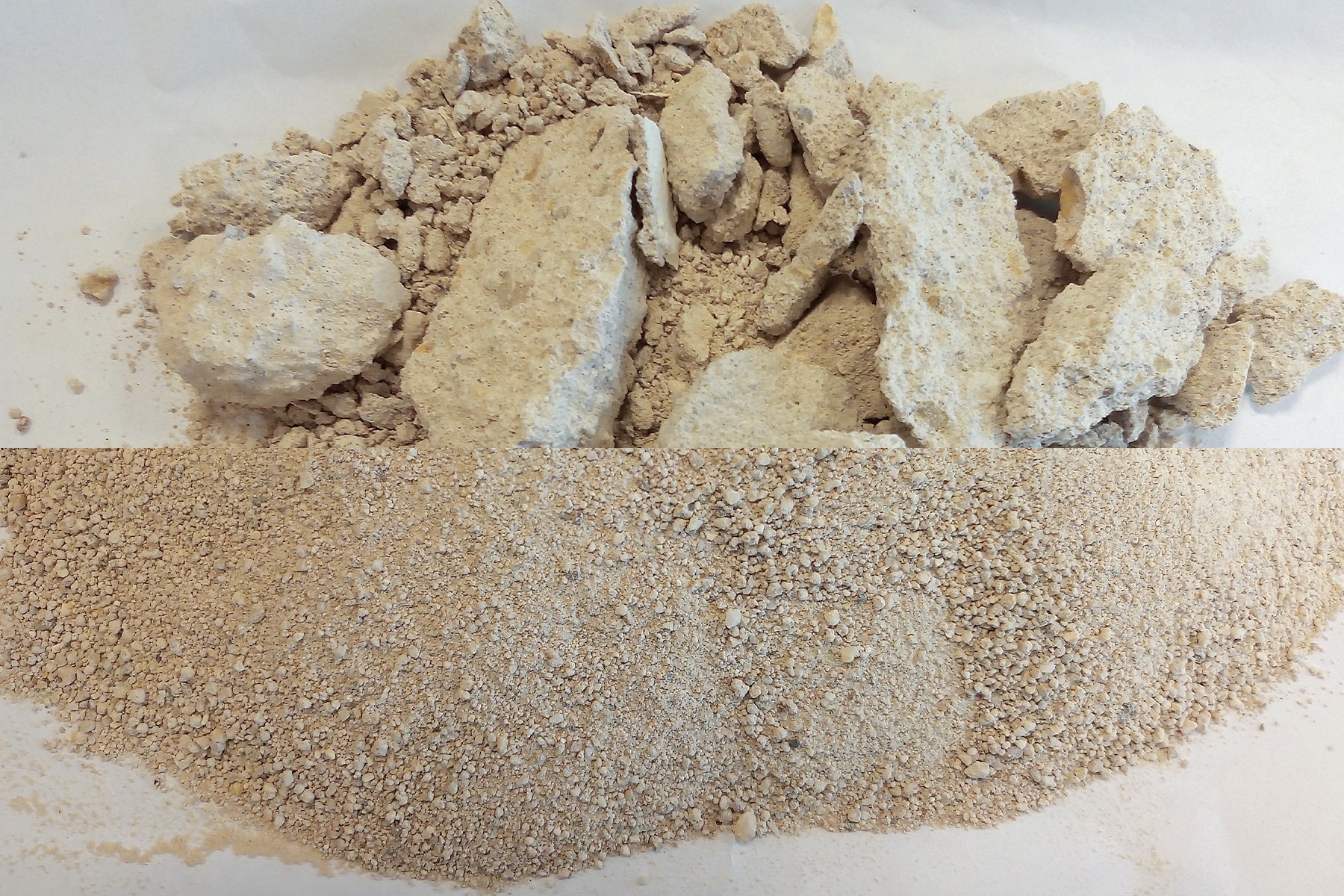
HM 200. 25 kg/minute | <3 µm. Image Credit: RETSCH GmbH
35 mm, 250 g
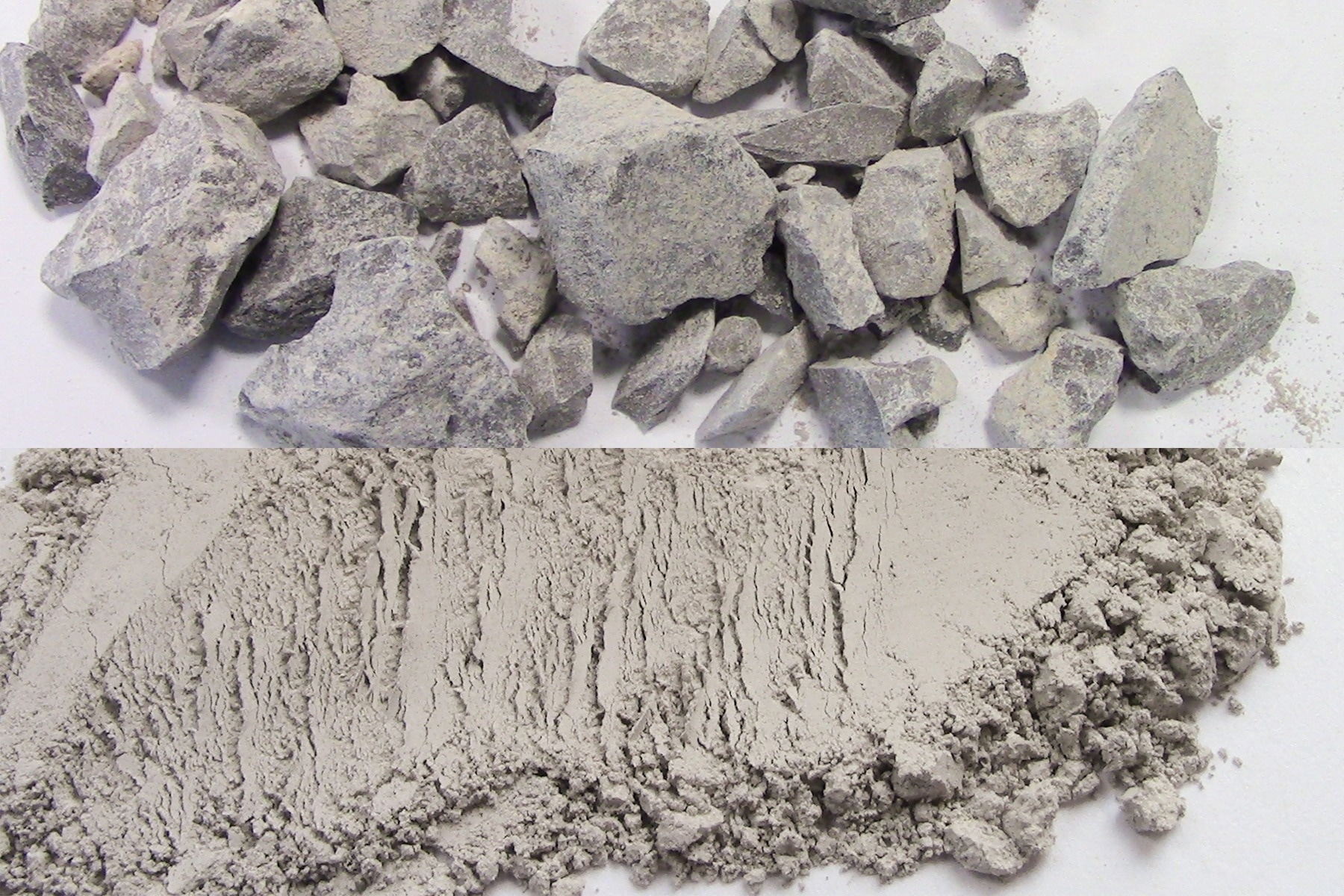
Pre-crushing BB 50. Fine-grinding PM 100. Six minutes | <200 µm. Image Credit: RETSCH GmbH
Clay Samples
10 mm, 12 g
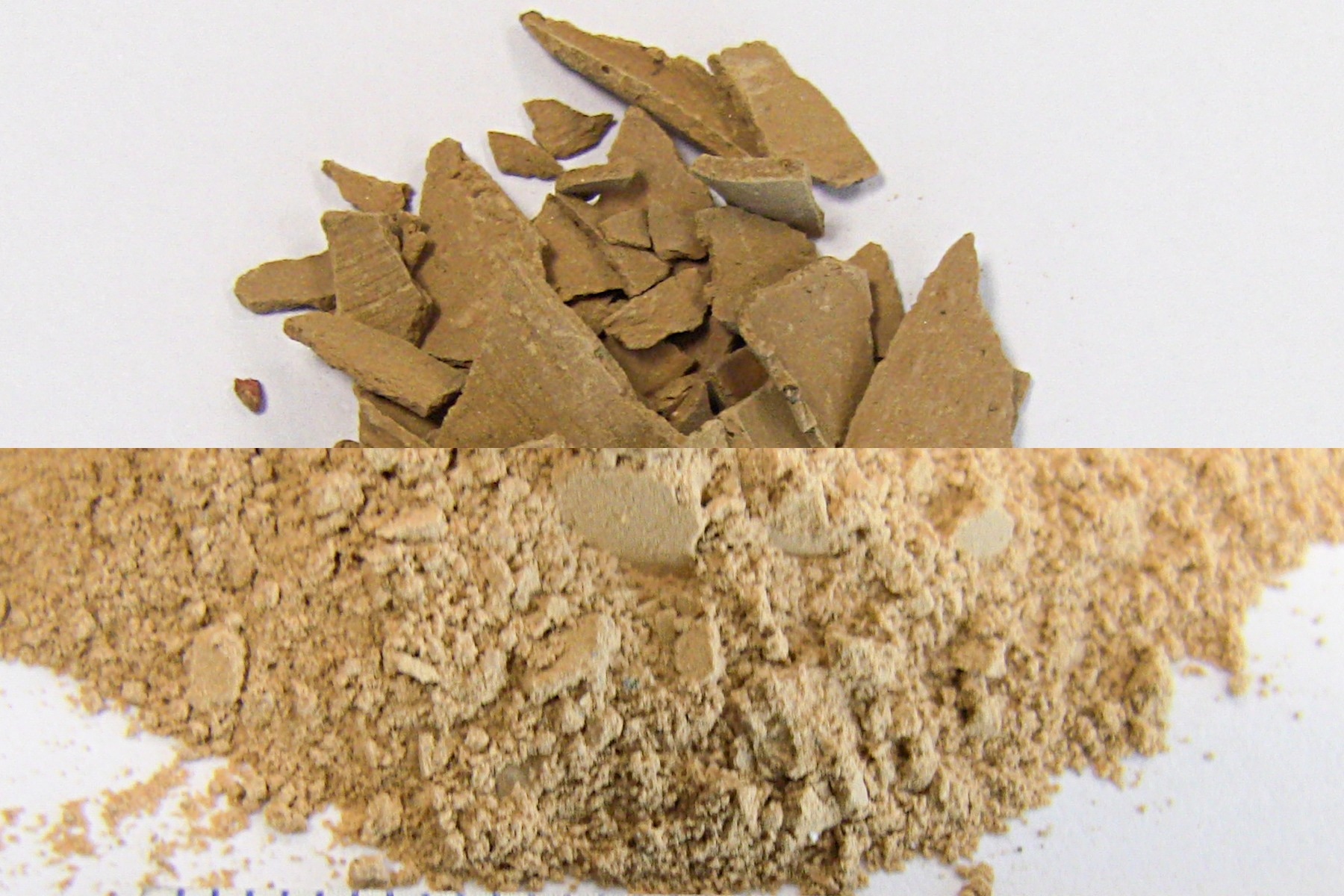
MM 400. 20 seconds | <250 µm. Image Credit: RETSCH GmbH
15 mm, 80 g
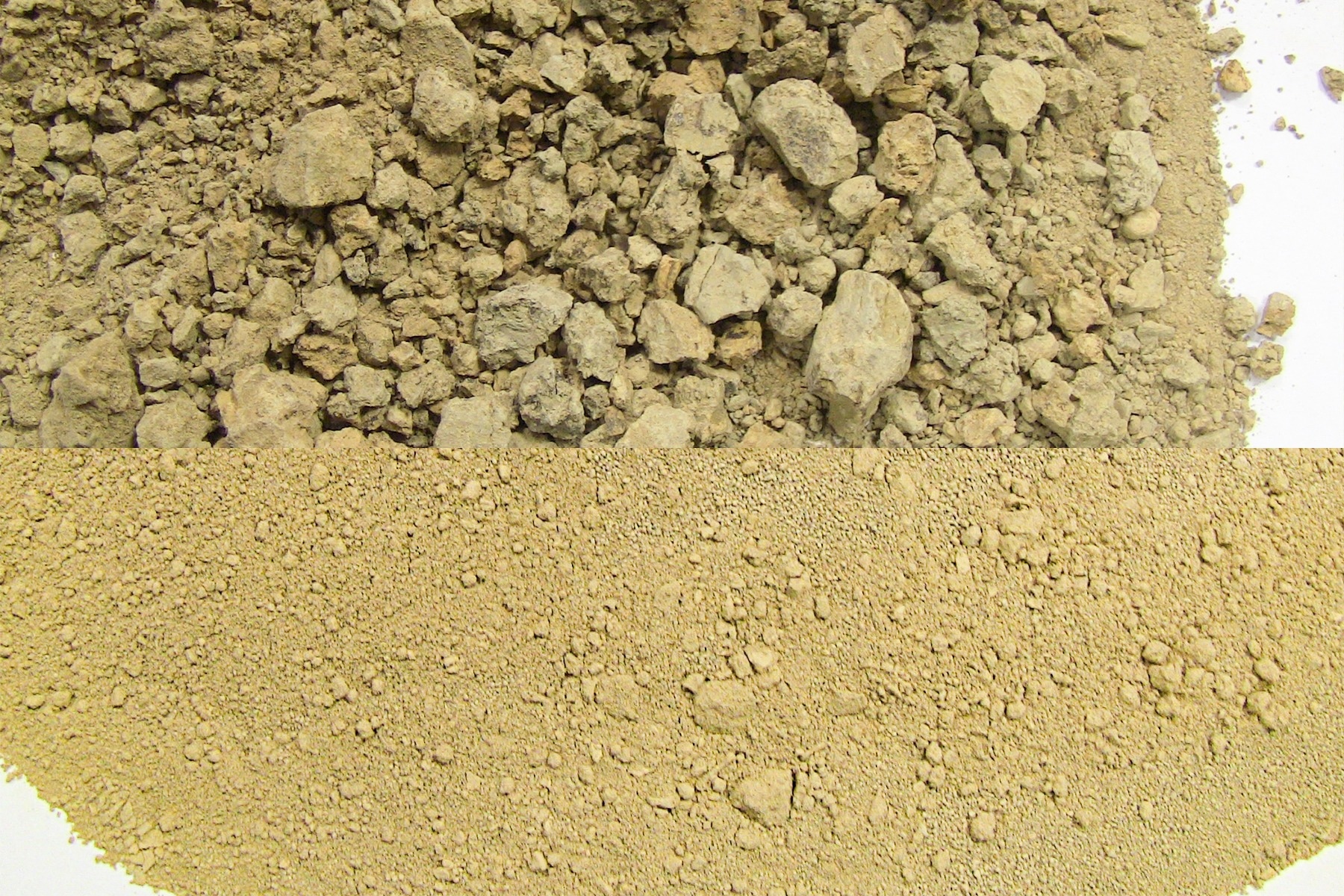
PM 100. Two minutes | <500 µm. Image Credit: RETSCH GmbH
120 mm, 10 kg
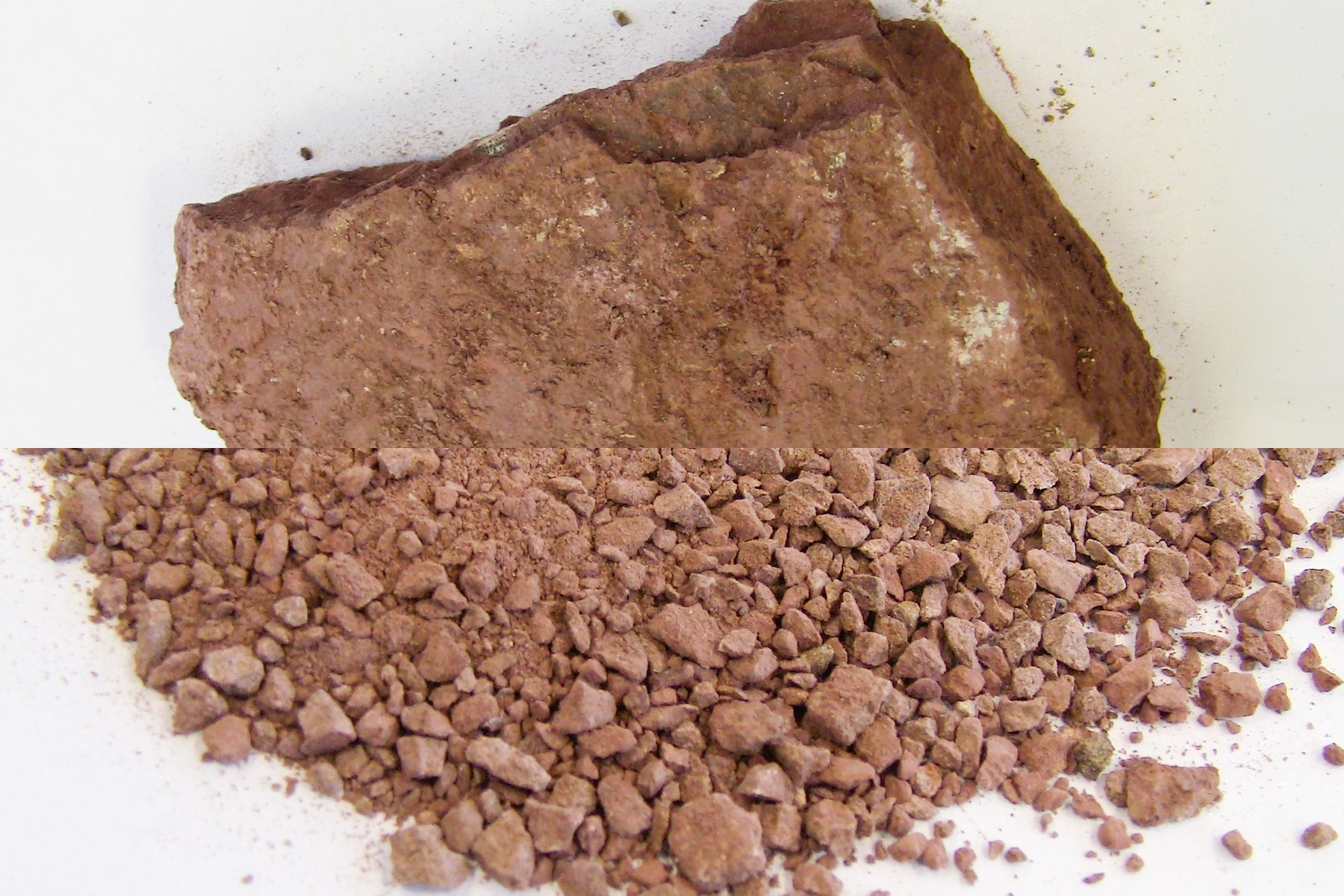
BB 300. Five minutes | <2 mm. Image Credit: RETSCH GmbH
15 mm, 2 kg
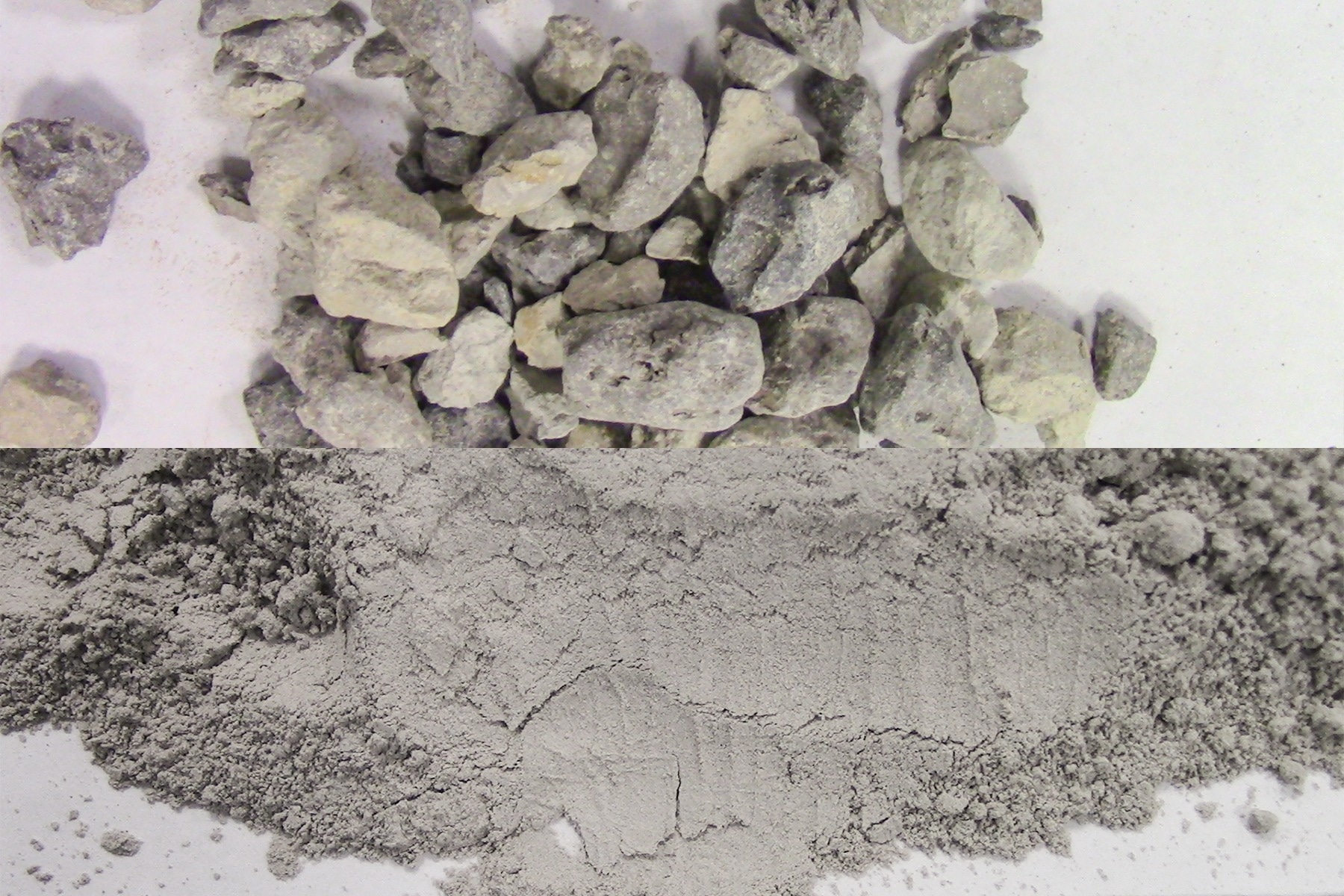
SR 300. 2.5 minutes | <100 µm. Image Credit: RETSCH GmbH
Clinker Samples
Cement clinker formed after sintering is considerably harder and more abrasive than limestone or clay. The same mills and considerations as crushing limestone and clay apply in principle, however, with jaw crushers typically utilized for pre-crushing.
Jaw Crusher BB 250 – Grinding of Copper Shale
Video Credit: RETSCH GmbH
The SK 300 cross-beater mill is suitable for the subsequent fine-grinding step because it is designed for use with harder, abrasive materials. Its toothed grinding chamber inserts and interchangeable tungsten carbide baffle plates make it ideally suited to crushing cement clinker.
The SK 300 can reduce 1 kg of pre-crushed sample (5 mm) to approximately 200 µm in just one minute. Ball mills such as the PM 400 can be used if finer final fineness is required, achieving 80 µm in 15 minutes.
Using a disk mill to crush clinker samples offers an ideal combination of speed and high fineness, making a jaw crusher followed by a disk mill like the RS 200 or RS 300 the ideal setup for cement grinding.
The RS 300 can grind one kilogram of sample to less than 100 µm in size in about four minutes. The RS 200 is designed for smaller sample quantities up to 250 mL, however, and is typically even faster than the RS 300.
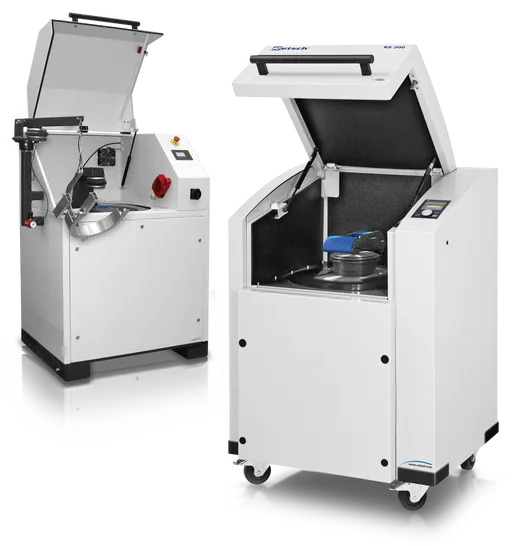
Image Credit: RETSCH GmbH
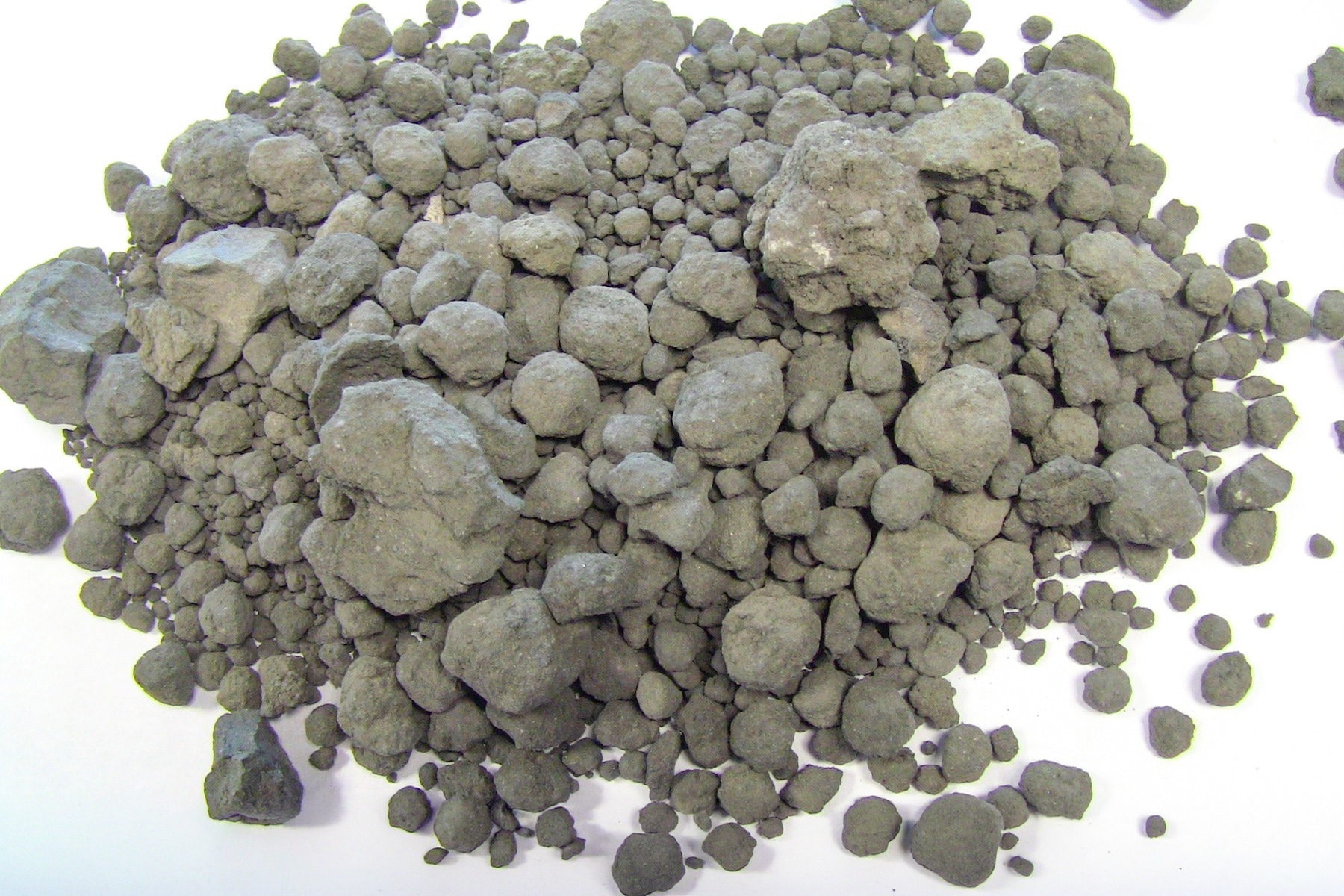
Image Credit: RETSCH GmbH
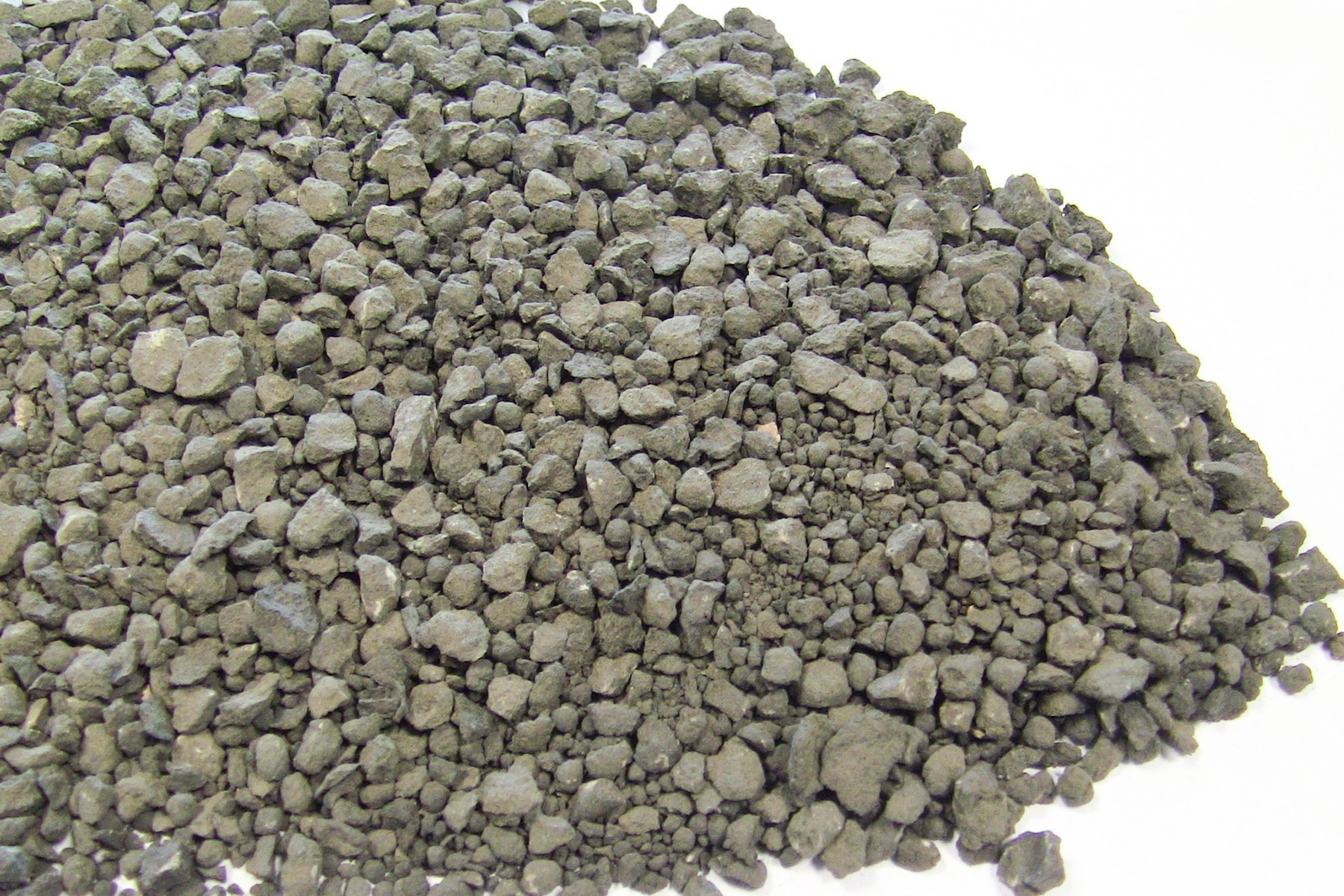
Image Credit: RETSCH GmbH
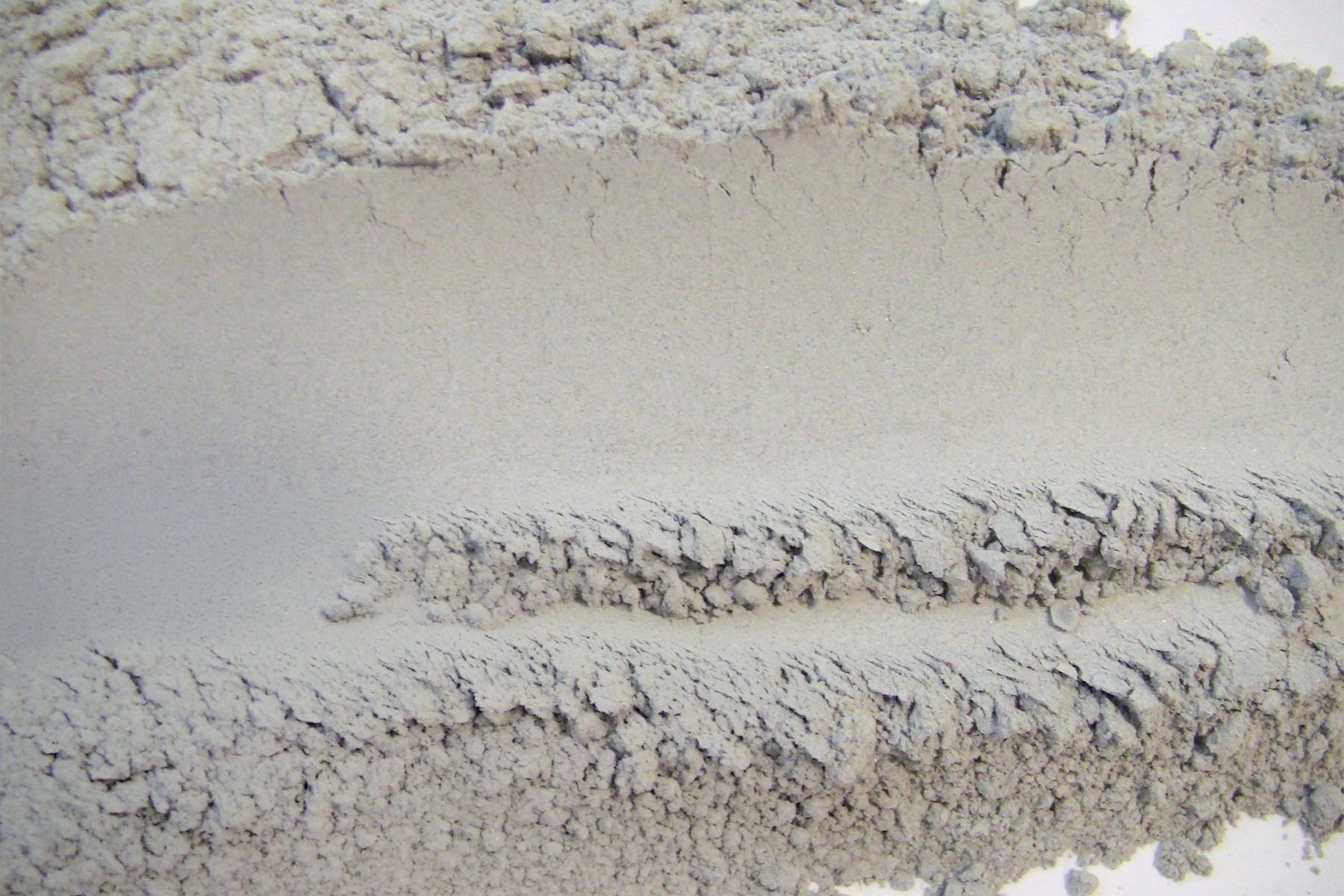
Image Credit: RETSCH GmbH
The total process time for one kilogram was four minutes when the jaw crusher ground the sample to 5 mm and the RS 300 fine ground the sample to 200 µm.
Clinker crushing considerations also apply to cement grinding or concrete samples, but ball mills or disk mills (RS 200, RS 300, or DM 200) are most commonly used for fine grinding.
Concrete Samples
100 x 200 mm, 3.5 kg
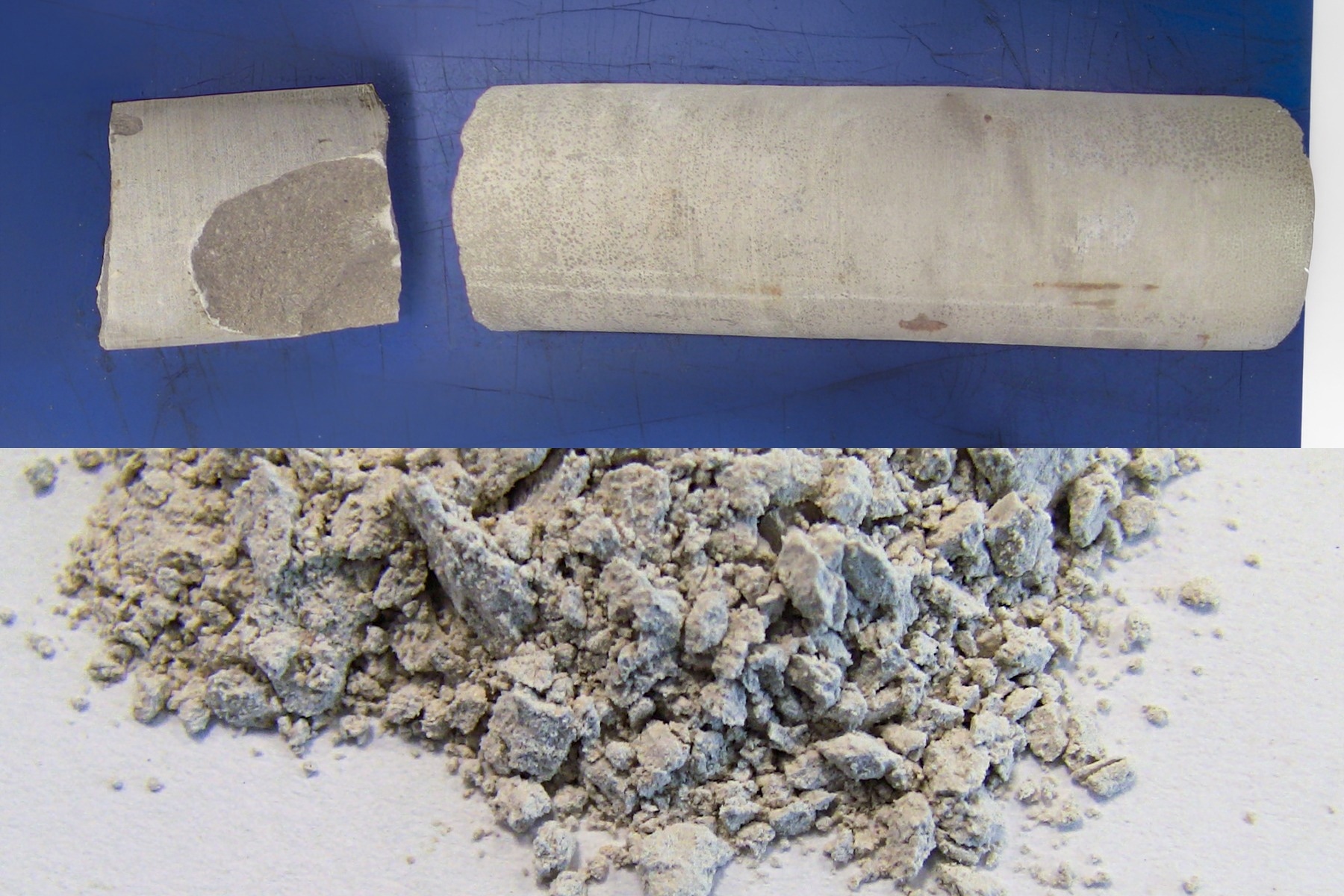
Pre-crushing BB 600. Fine-grinding DM 200. One minute | <150 µm. Image Credit: RETSCH GmbH
80 mm, 200 g
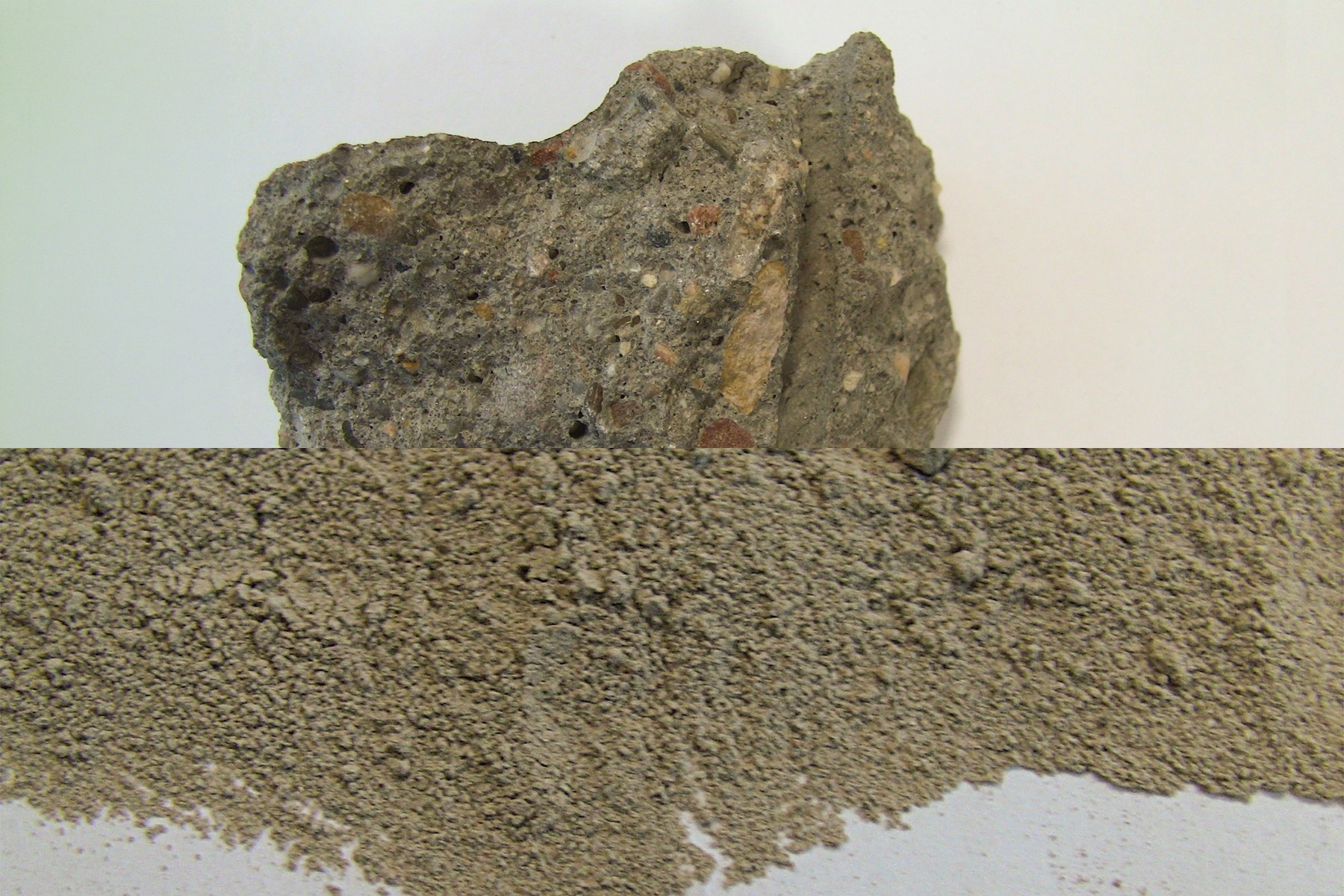
Pre-crushing BB 200. Fine-grinding MM 400. 40 seconds | <150 µm. Image Credit: RETSCH GmbH
150 x 75 mm, 8 kg
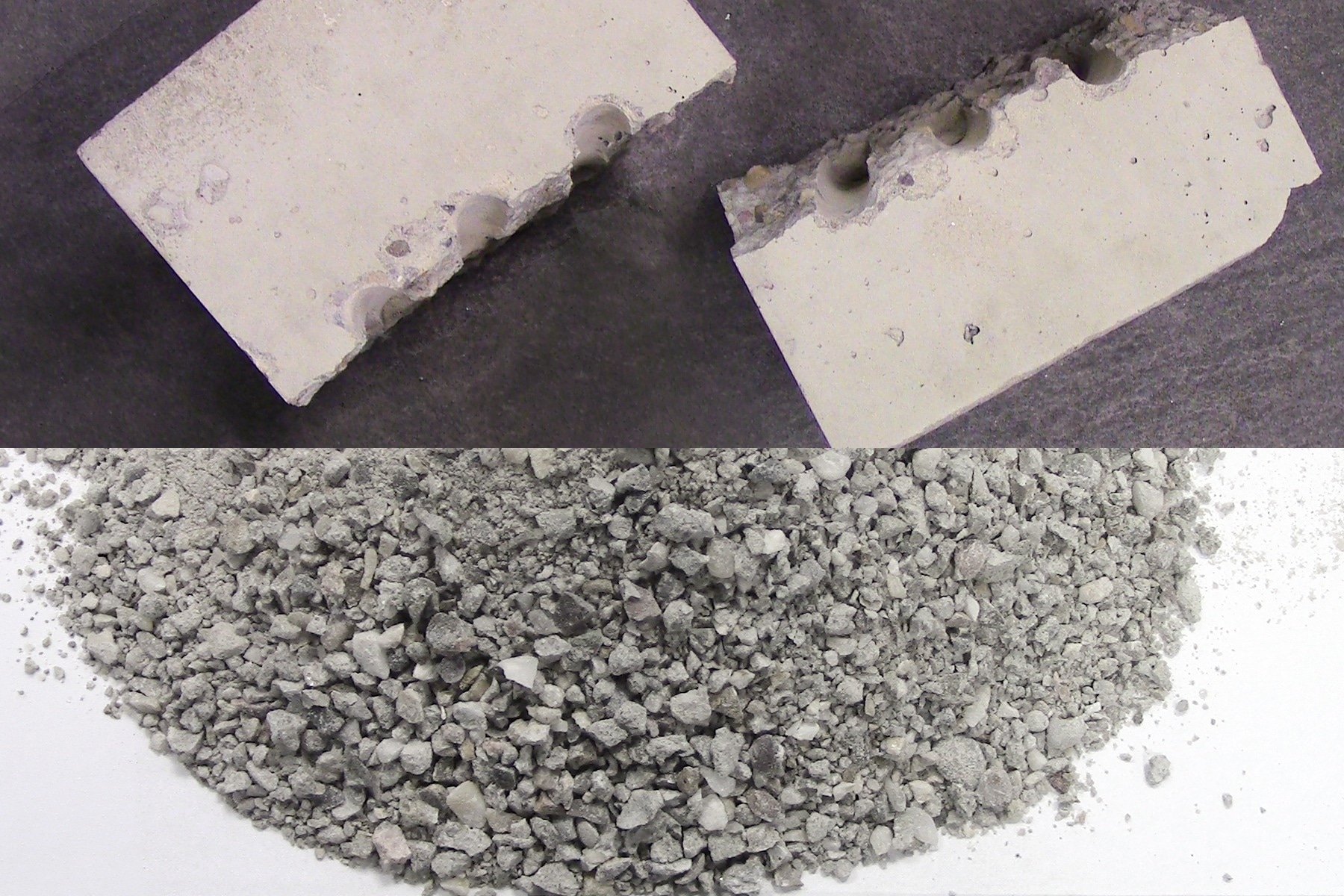
Pre-crushing BB 300. Fine-grinding MM 400. 2.5 minutes | <3 mm. Image Credit: RETSCH GmbH
50 mm, 50 g
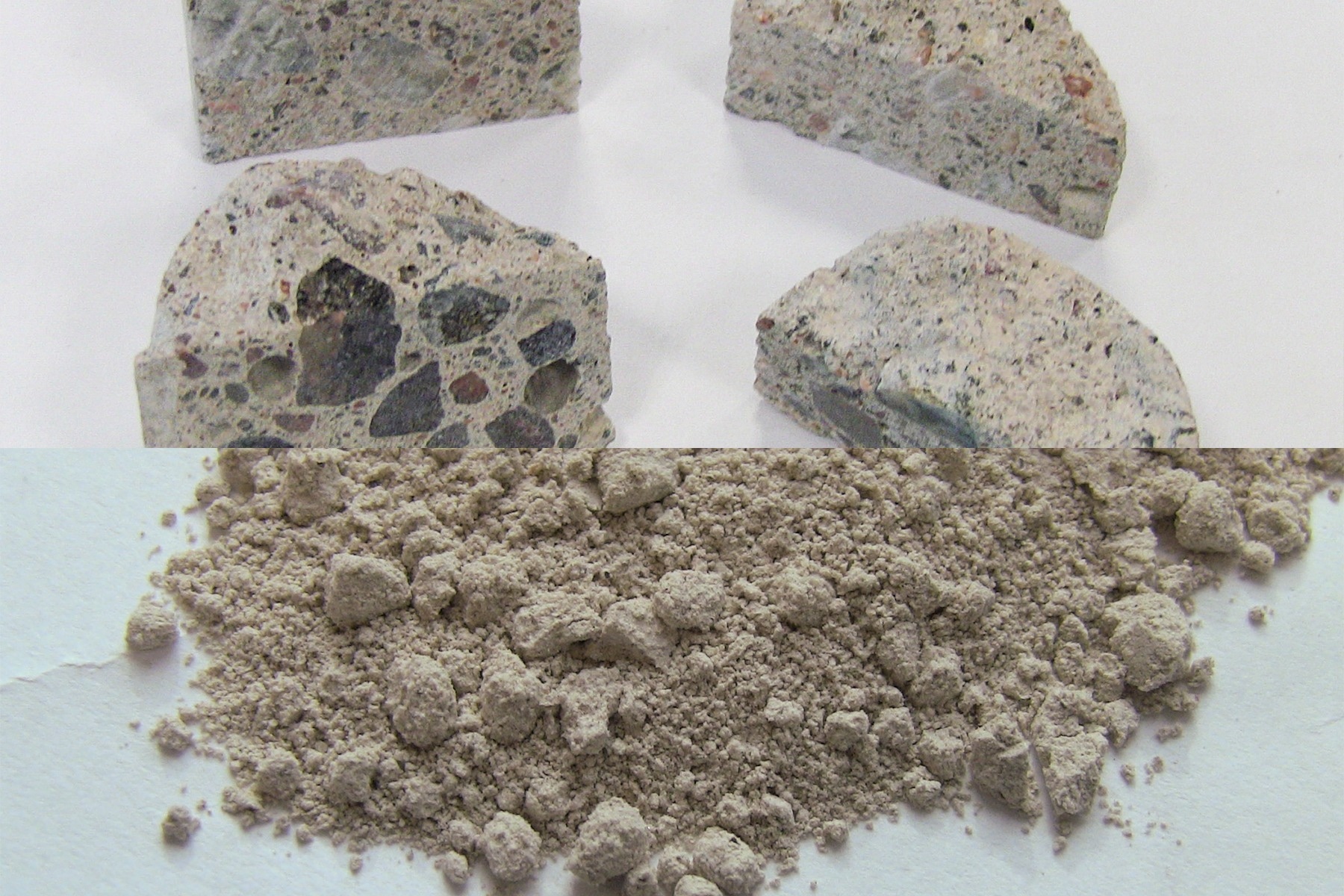
Pre-crushing BB 50. Fine-grinding RS 200. One minute | <100 µm. Image Credit: RETSCH GmbH
15 mm, 45 kg
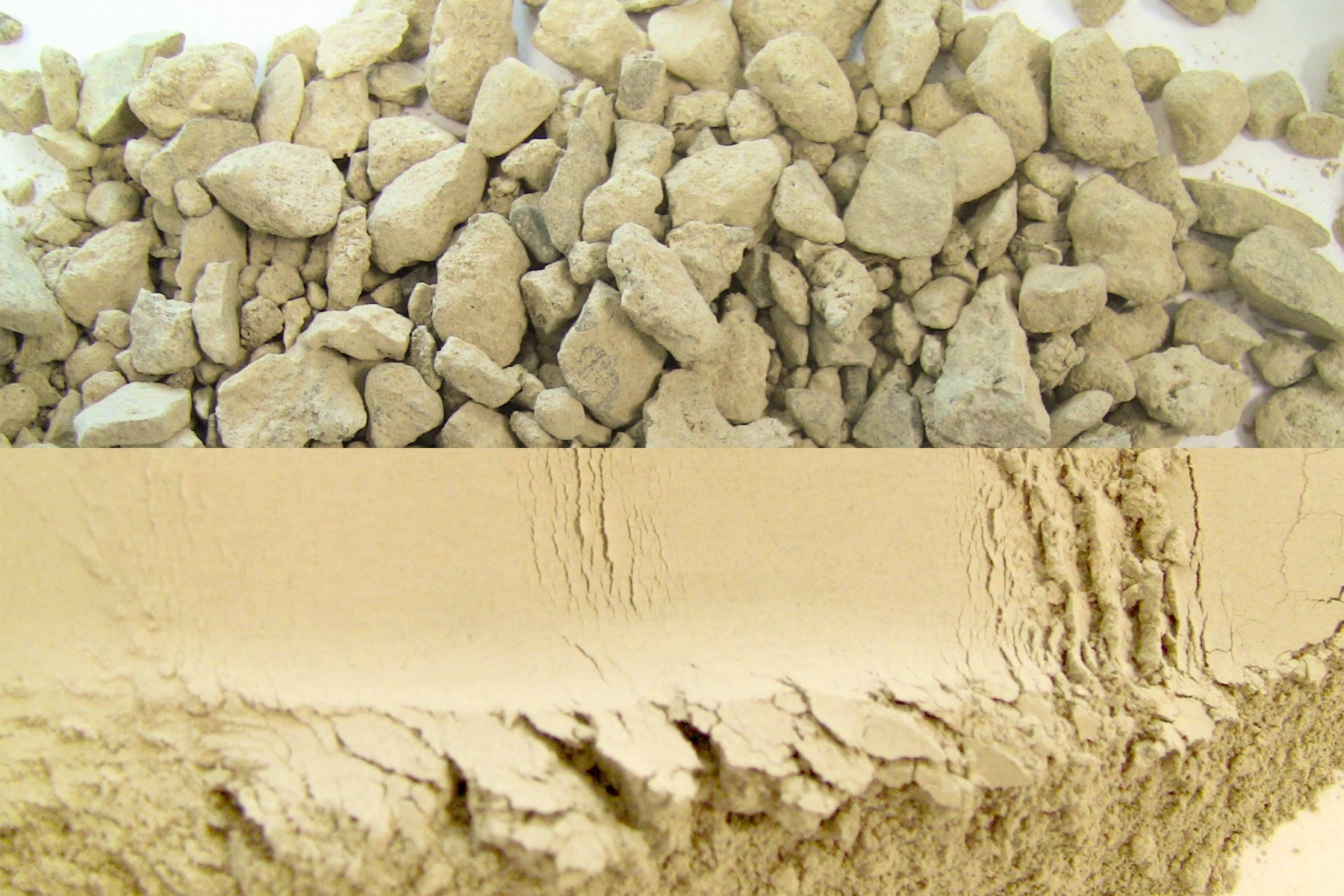
TM 500. Three hours | <100 µm. Image Credit: RETSCH GmbH
Additive Gypsum
Gypsum exhibits much softer material properties compared to clinker, simplifying laboratory-based crushing and homogenization. Gypsum tends to form agglomerates, however, potentially complicating fine grinding during cement grinding preparation.
The classic approach to working with gypsum samples is to pre-crush in a jaw crusher, then use a rotor mill such as the SK 300 cross-beater mill, HM 200 hammer mill, or ZM 300 ultra-centrifugal mill.
Even when working with rotor mills, drying the samples prior to grinding in the TG 200 is advisable to prevent agglomeration. It is also advisable to use cyclone modules to facilitate sample discharge.
Distance sieves are preferred for gypsum samples in the ZM 300, while the use of jaw crushers can be avoided in many cases where the samples are initially ground with a very coarse sieve in the ZM 300 or HM 200. A finer sieve can then be used to homogenize these samples in the fine-grinding step.
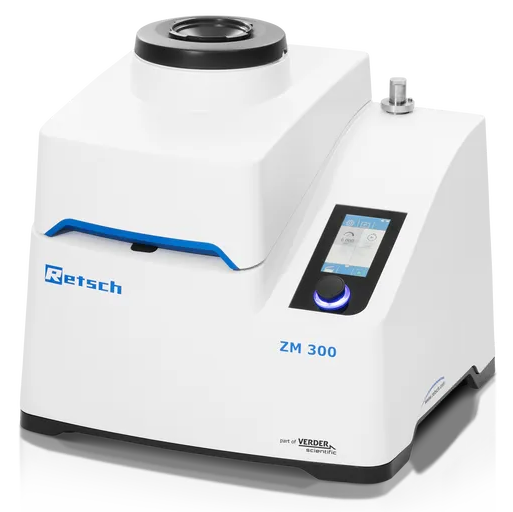
Image Credit: RETSCH GmbH
Gypsum Samples
10 mm, 1 kg
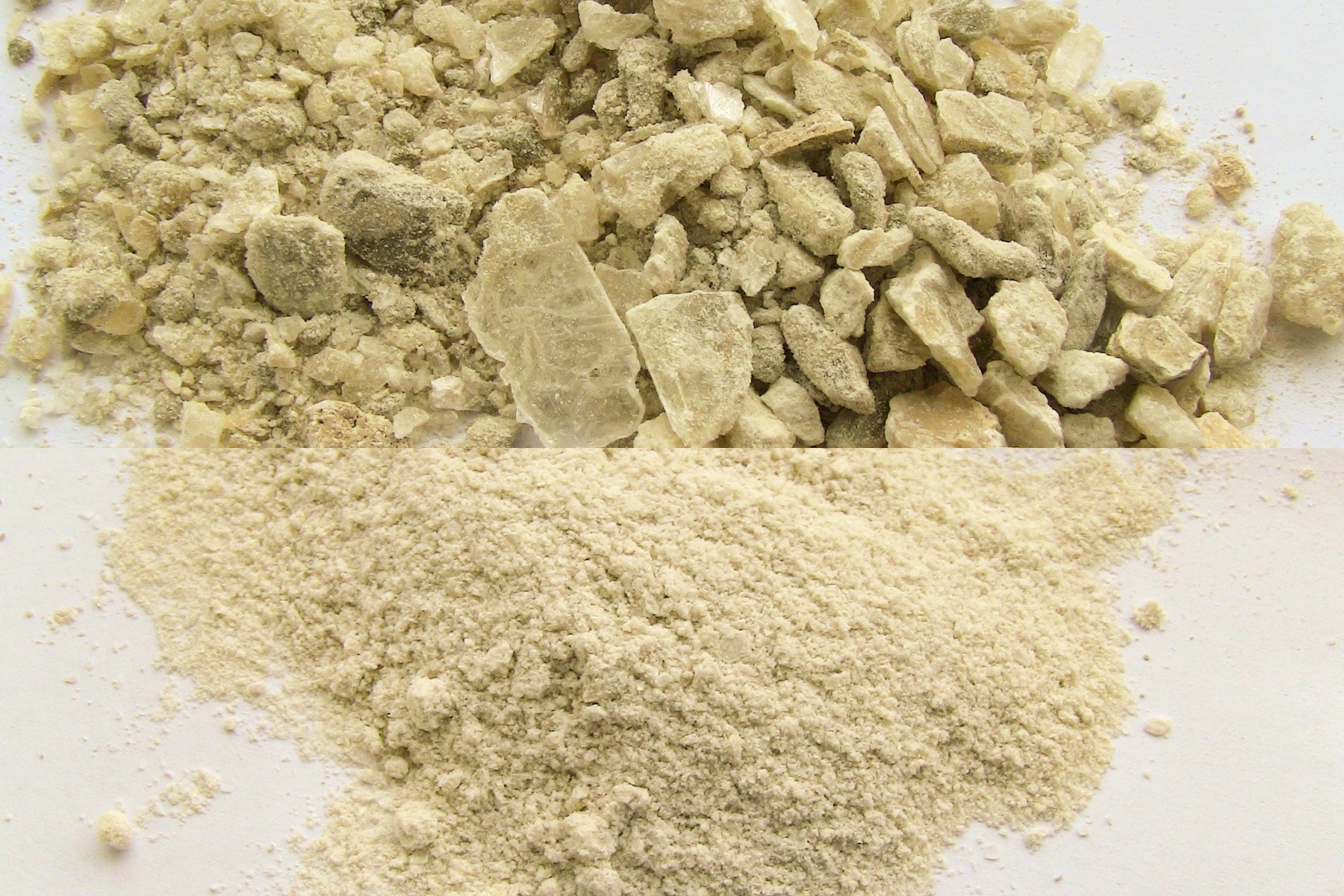
Pre-crushing BB 200. Fine-grinding SK 300. Two minutes | <500 µm. Image Credit: RETSCH GmbH
15 mm, 200 g
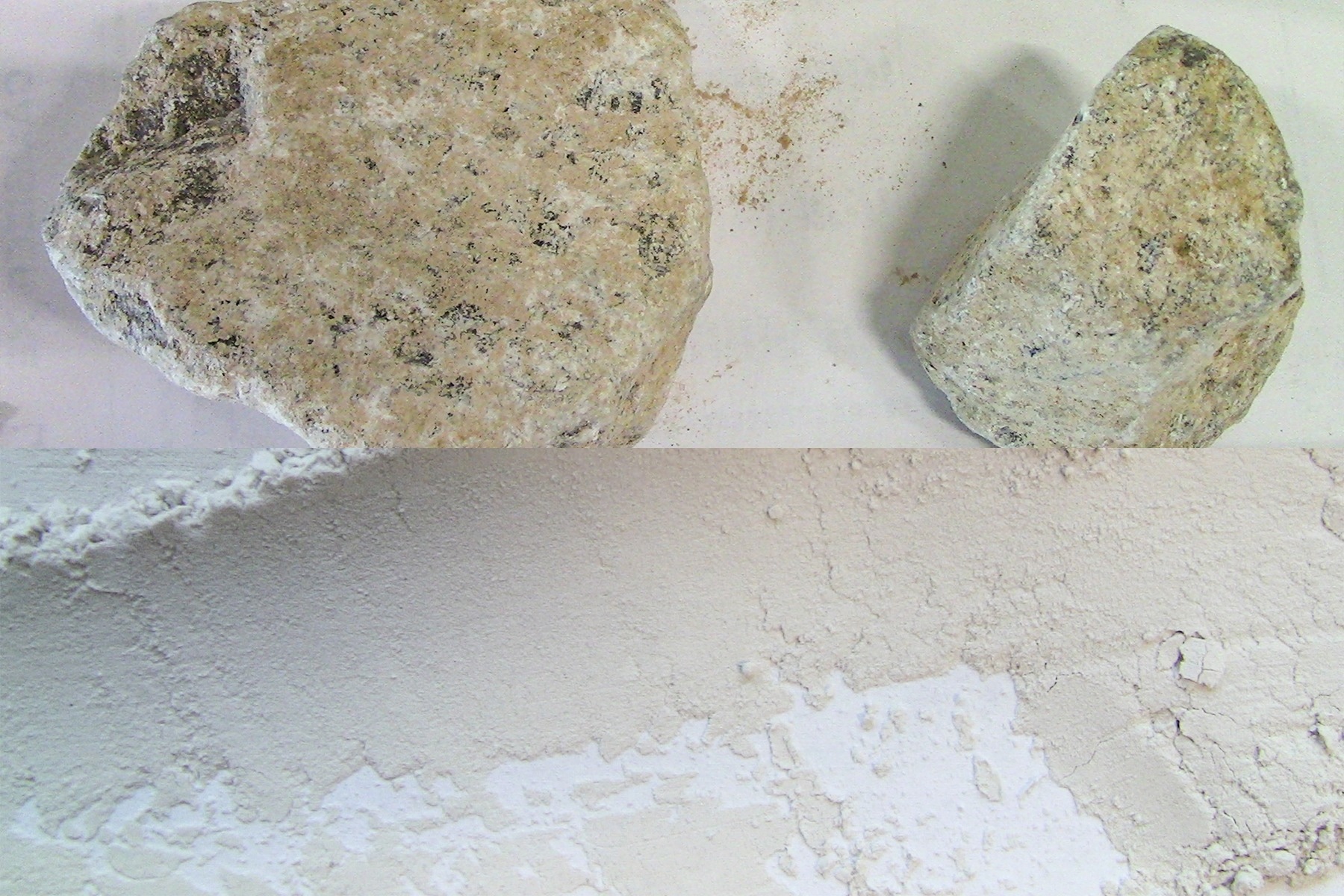
Pre-crushing BB 250. Fine-grinding ZM 300. 1.5 minutes | <200 µm. Image Credit: RETSCH GmbH
10 mm, 10 kg
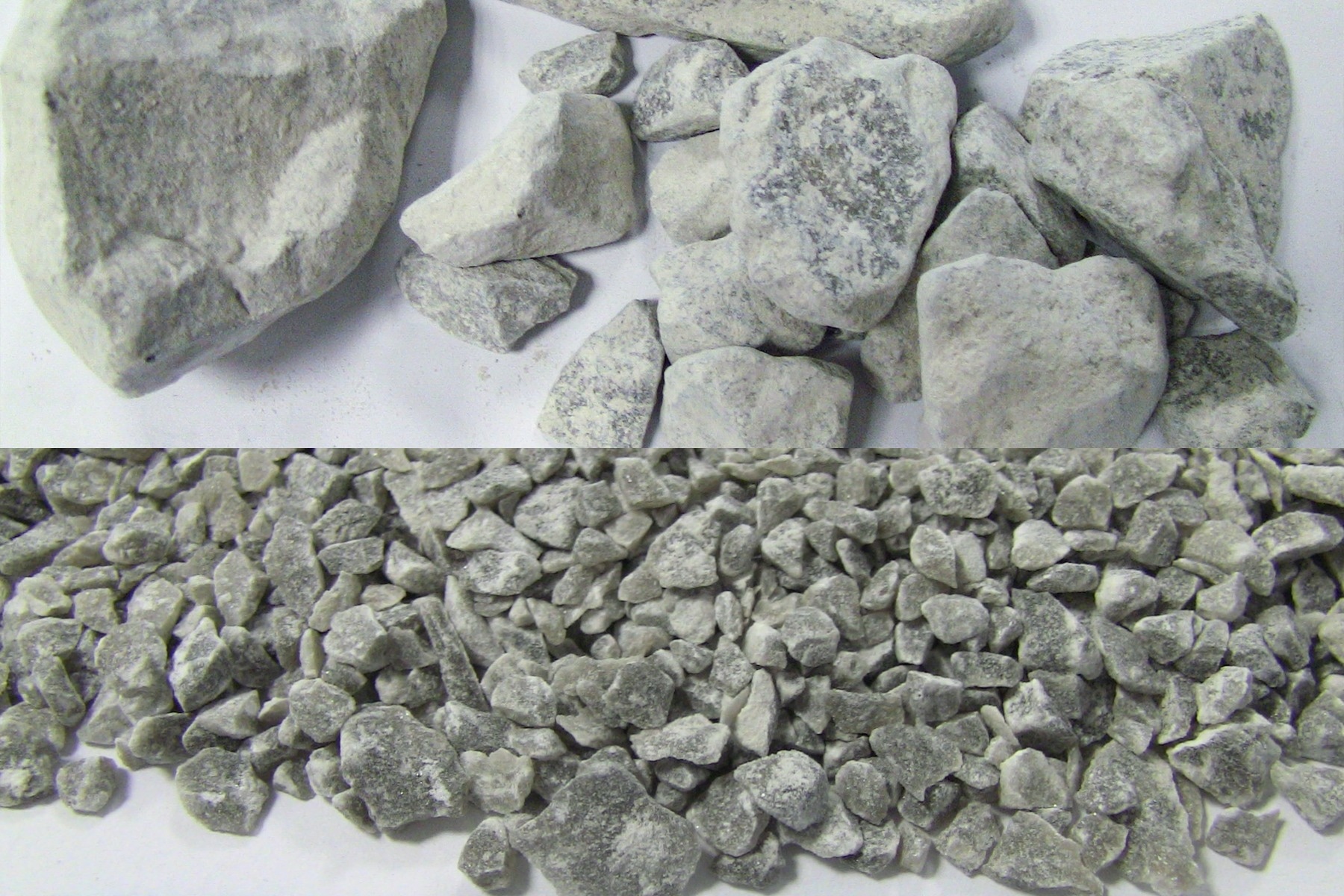
BB 250. 40 seconds | <4 mm. Image Credit: RETSCH GmbH
35 mm, 250 g
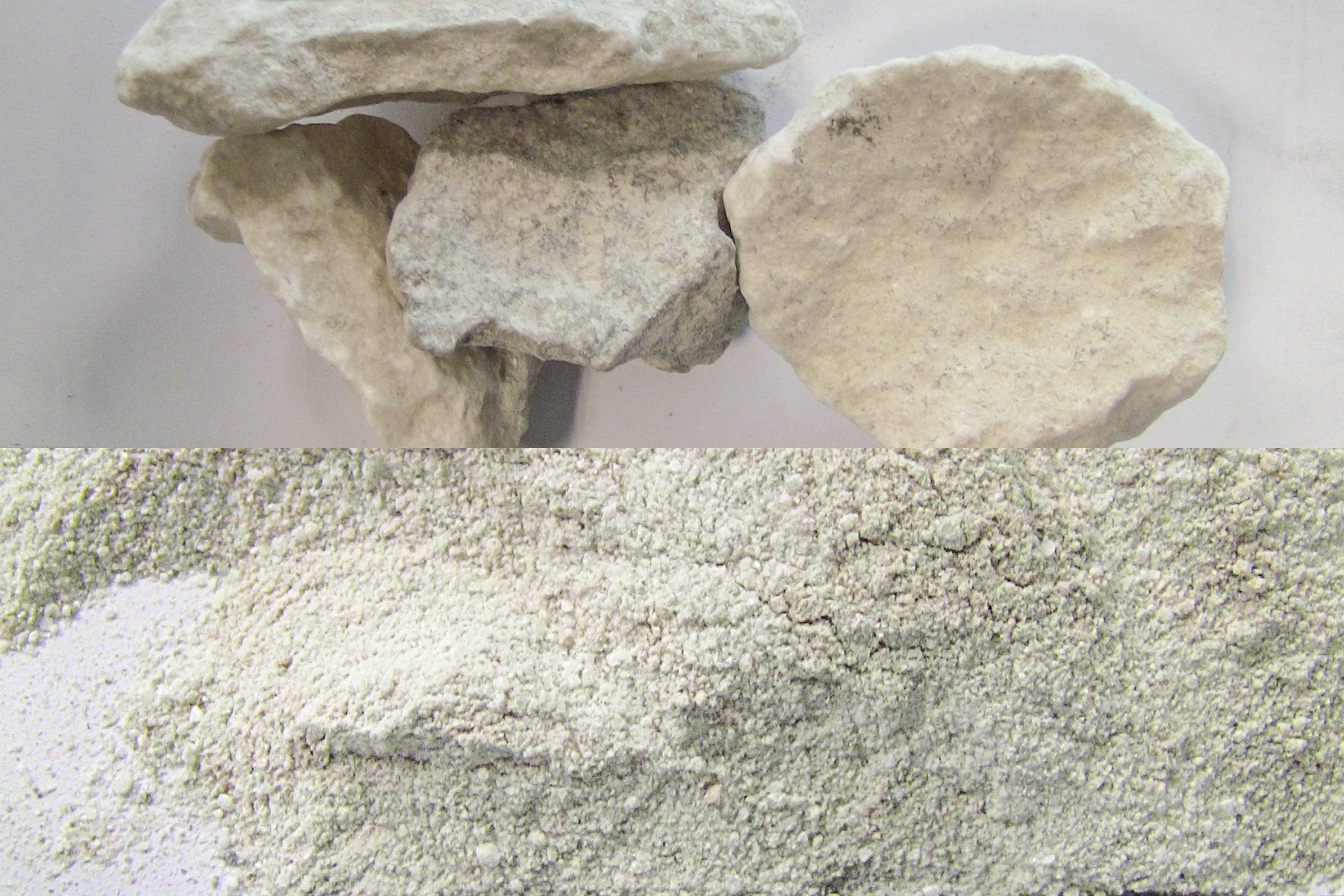
HM 200. One minute | <2 mm. Image Credit: RETSCH GmbH
Recycling Gypsum
Sample homogenization is made easier by drying the samples in the TG 200. This laboratory-based quick dryer has been designed for the rapid, gentle drying of gypsum, cement, and related granular materials.
The TG 200 operates on the fluidized-bed principle, ensuring uniform heat transfer throughout the sample without local overheating. The original material properties are better preserved by this gentle drying process, helping to ensure reliable cement analysis and quality control.
The TG 200 achieves very short drying times thanks to its powerful airflow, typically completing the drying process within a few minutes versus several hours in conventional drying ovens.
Various containers and filter options are available, making the TG 200 suitable for a wide range of construction and cement-related applications. Its ease of use also supports reproducible sample preparation, which is key to ensuring consistent analytical results in cement laboratories.
The TG 200 considerably increases laboratory efficiency by combining gentle treatment, speed, and high process reliability.
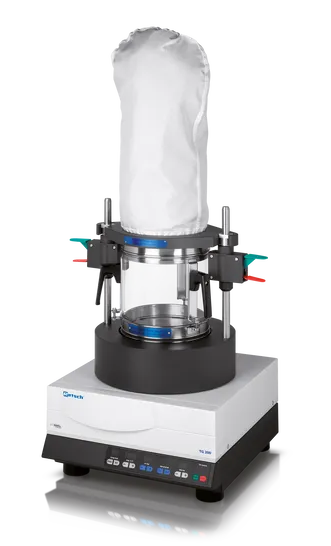
Image Credit: RETSCH GmbH

This information has been sourced, reviewed, and adapted from materials provided by RETSCH GmbH.
For more information on this source, please visit RETSCH GmbH.