A team of engineers has found a natural way to make concrete stronger and longer-lasting by adding bacteria to jute fiber mixes. The secret? Microbes that trigger mineral formation and seal cracks from within.
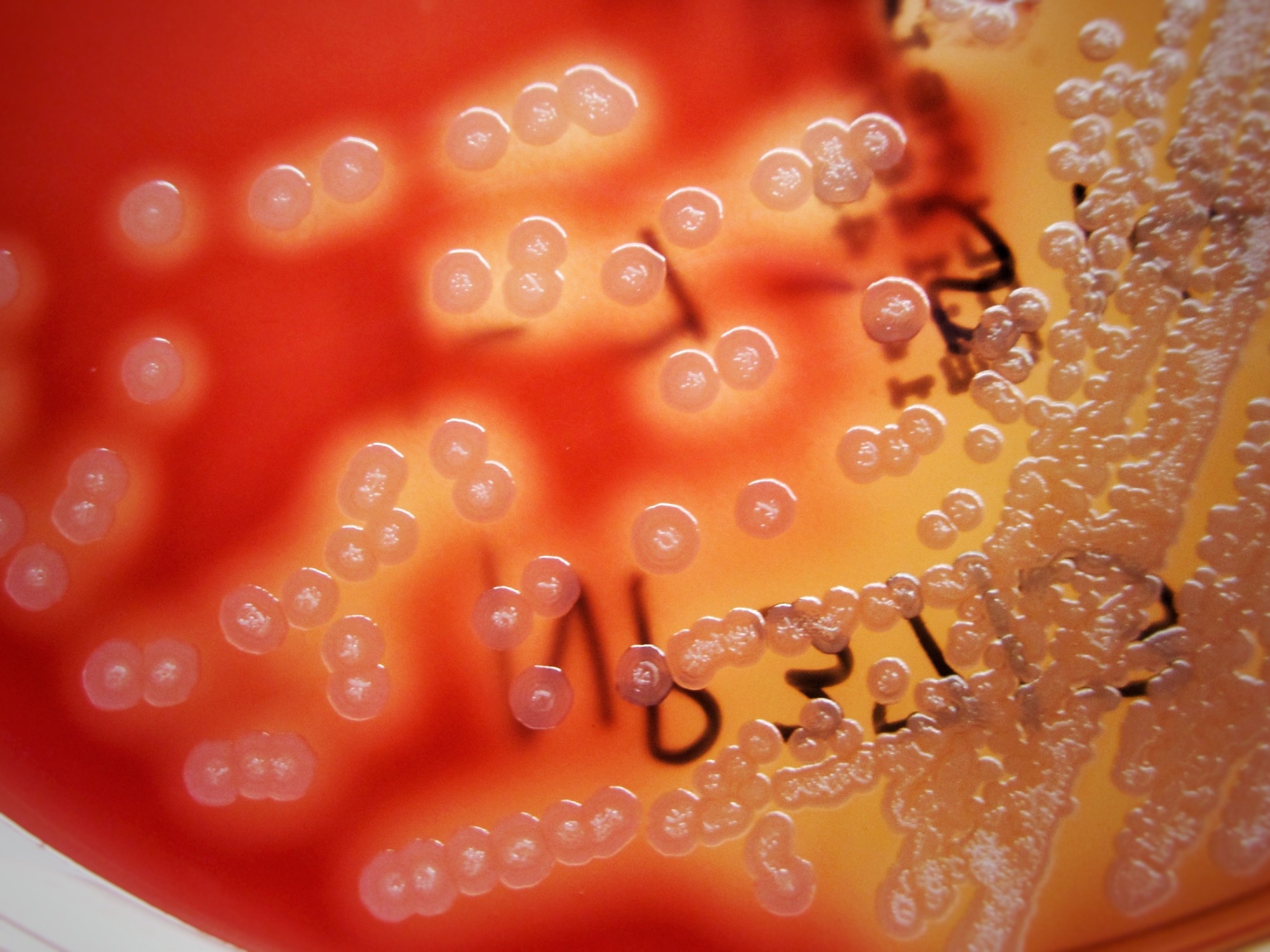
Study: Effects of Bacillus pumilus precipitation on the flexural strength of jute fibre reinforced concrete. Image Credit: network969007/Shutterstock.com
A recent study published in Scientific Reports explored how Bacillus pumilus (B. pumilus)–induced calcium carbonate precipitation, also known as microbially induced calcite precipitation (MICP), impacts the durability and flexural performance of jute fiber–reinforced concrete (JFRC).
Why Jute Matters in Fiber-Reinforced Concrete
Conventional concrete has low flexural and tensile strength, often leading to sudden failure under stress. To counter this, fibers are added to the cement matrix to create fiber-reinforced concrete (FRC), which limits crack propagation and enhances ductility and energy absorption by redistributing stresses and bridging microcracks.
Natural fibers are gaining renewed interest as affordable, eco-friendly alternatives to synthetic fibers in FRC. Jute stands out among them due to its high cellulose content, low density, and notable tensile strength, all of which contribute to improved energy absorption and crack resistance in cement matrices. Additionally, jute’s natural fibrillar microstructure and chemical composition offer ample nucleation sites and promote mechanical interlocking with mineral precipitates, all of which is crucial for enhancing interfacial bonding in bio-modified concrete.
While jute offers several mechanical and environmental advantages, natural fibers aren’t without their drawbacks.
In cementitious environments, they can degrade over time due to high alkalinity, absorb excess moisture, and form weak bonds with the cement matrix. These factors can significantly reduce the long-term performance and mechanical reliability of natural fiber–reinforced concretes. Although various chemical treatments and surface modification techniques have been explored to mitigate these issues, many are energy-intensive, expensive, and environmentally unsustainable, yielding only limited improvements.
The Role of MICP
This is where MICP offers a promising bio-based solution.
This eco-friendly technique relies on ureolytic bacteria like B. pumilus, which hydrolyze urea to generate carbonate ions. These ions react with calcium to form calcium carbonate precipitates that fill pores, seal microcracks, and strengthen the interfacial transition zone, ultimately improving concrete's durability and structural integrity.
B. pumilus is particularly well-suited for this application due to its enzyme activity, tolerance for high alkalinity, and spore-forming capabilities. Its ability to consistently deposit calcium carbonate makes it ideal for use in cement-based materials. While prior studies have shown that bacterial additives can enhance flexural recovery, crack closure, and overall durability in fiber-reinforced composites, a more focused investigation was needed to understand how B. pumilus–induced calcite precipitation specifically affects JFRC.
What the Study Explored
In this study, the researchers investigated the impact of B. pumilus–induced calcite precipitation on the durability and flexural strength of JFRC. Their goals included characterizing the properties of jute fibers and the resulting bacterial precipitates, assessing how calcite deposition affects flexural strength, identifying the optimal bacterial dosage, and evaluating durability through both microstructural and mechanical analysis, particularly under acid attack conditions.
The researchers hypothesized that MICP would improve the 28-day flexural strength of JFRC compared to untreated control samples. Their broader aim was to develop low-carbon, bio-enhanced cementitious materials that combine natural fibers with microbial modification for greater durability and performance.
To do this, they used clean water, bacterial cultures, natural jute fibers, fine and coarse aggregates, and Grade 42.5 R ordinary Portland cement. Both treated and untreated jute fibers were tested to assess how surface condition influenced performance. The bacterial culture, grown in nutrient broth, was synthesized at three cell densities (24 × 108, 12 × 108, and 1.5 × 10⁸ cells/mL) referred to as B24, B12, and B1.5, respectively.
Concrete was mixed in a 4:2:1 ratio (coarse aggregate: fine aggregate: cement) with a 0.55 water–cement ratio. A control mix with no jute fibers or bacteria served as the baseline. Other mixes included 1 % jute fiber (by weight of cement), both with and without B. pumilus. This setup allowed researchers to isolate the effects of fiber treatment and bacterial addition. The jute fibers were treated using 5 % sodium hydroxide, then rinsed, dried, and soaked in a B. pumilus suspension for 24 hours to improve both bacterial adhesion and fiber–matrix interaction.
Bacterial concrete was prepared by replacing part of the mixing water with bacterial suspensions. Each mix produced twelve prismatic beams (150 × 150 × 500 mm), using 189.6 kg of coarse aggregate, 97.98 kg of fine aggregate, 45.54 kg of cement, and 25.08 L of water. These specimens were cured and tested at 7, 14, 21, and 28 days using three-point bending tests.
Key Findings and Takeaways
To evaluate performance, researchers analyzed fresh properties, measured mass and dimensional loss, and conducted scanning electron microscopy (SEM) for microstructural insights. Statistical methods, including two-way ANOVA and Tukey’s HSD test, were used for result validation.
Their findings revealed that bacterial dosage had a significant effect.
The lowest dosage (B1.5) produced minor early-age improvements; the moderate dosage (B12) led to delayed but noticeable gains; and the highest dosage (B24) achieved the greatest 28-day flexural strength, although it also reduced mix workability.
Durability testing showed enhanced resistance to acid attack, along with lower mass and dimensional loss in bacterial mixes. SEM imaging confirmed increased calcium carbonate deposition, stronger fiber–matrix bonding, and reduced microcrack connectivity at higher bacterial concentrations.
In summary, the study demonstrated that integrating jute fibers with MICP can meaningfully enhance concrete’s flexural behavior and durability, especially when the bacterial dosage is carefully optimized.
Journal Reference
Wilson, U. N., Salami, A., & Adisa, M. A. (2025). Effects of Bacillus pumilus precipitation on the flexural strength of jute fibre reinforced concrete. Scientific Reports. DOI: 10.1038/s41598-025-34050-y, https://www.nature.com/articles/s41598-025-34050-y
Disclaimer: The views expressed here are those of the author expressed in their private capacity and do not necessarily represent the views of AZoM.com Limited T/A AZoNetwork the owner and operator of this website. This disclaimer forms part of the Terms and conditions of use of this website.