From concrete to aluminum to lithium-ion batteries, new strategies are helping the construction industry cut waste, preserve material value, and rethink how buildings are designed, built, and reused.
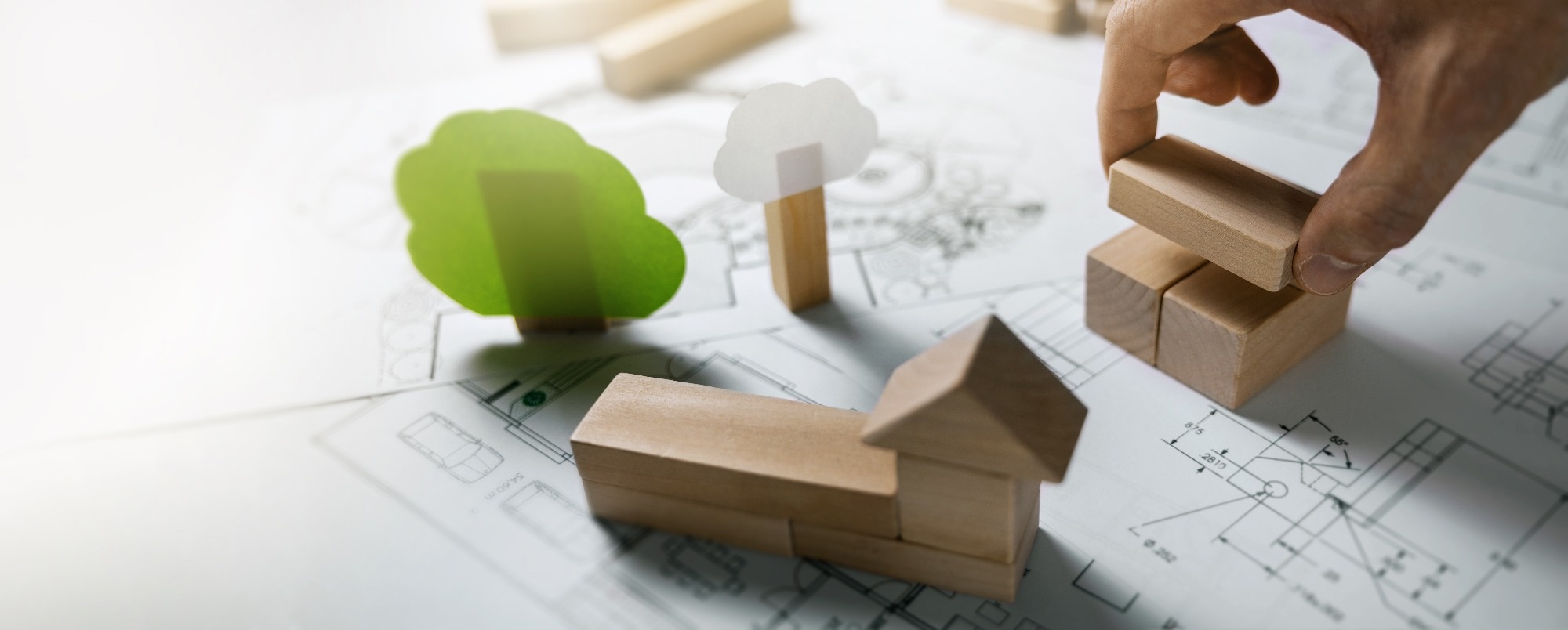
Image Credit: ronstik/Shutterstock.com
Researchers at the Massachusetts Institute of Technology (MIT) are calling for reuse, repair, and recycling to be integrated into materials design from the start, not treated as end-of-life concerns. Their insights offer practical solutions for industries like construction, where material waste and sustainability are under growing scrutiny.
The Need for a Circular Approach in Construction
Modern construction depends heavily on materials like steel, aluminum, concrete, and increasingly, advanced composites and electronics. But the production and disposal of these materials contribute significantly to environmental degradation. As urbanization accelerates, so does material demand, making it critical to rethink how we use and reuse building resources.
Over the last 150 years, global material consumption has risen in step with population growth and industrial development. For instance, the complexity of technologies embedded in smart buildings and infrastructure is growing fast - computer chips used in these systems contained just 11 elements in 1980, compared to 52 today. This highlights the urgent need for a more circular approach, particularly in sectors like construction, where volumes are massive and long-term impacts are substantial.
Traditional material use follows a linear model: extract, build, demolish, discard. But researchers argue this model is no longer sustainable. Instead, materials should be designed from the outset for longevity, reuse, and recyclability.
Professor Diran Apelian, a key voice in the study, frames this shift as both a sustainability imperative and an engineering opportunity, particularly in construction, where material lifespans are long and opportunities for recovery are high.
Rethinking the Materials Life Cycle for the Built Environment
Apelian introduces a framework based on materials circularity, which emphasizes continuous material use and minimal waste. This approach reimagines materials as part of an interconnected system spanning extraction, design, construction, maintenance, renovation, deconstruction, and recycling.
A major critique of traditional materials science - and by extension, construction materials engineering - is that it often emphasizes performance during use while ignoring what happens at end-of-life. Apelian argues that engineers and architects should expand their design criteria to include repairability, reusability, and material recovery, ideally starting from the first sketch of a building or infrastructure project.
This thinking is especially relevant to construction, where buildings often end up as demolition waste despite containing valuable, reusable materials. Designing structures with disassembly and material recovery in mind could radically reduce construction’s environmental footprint.
Examples from adjacent industries, such as producing aerospace-grade aluminum from scrap using AI, or recovering metals from spent lithium-ion batteries, demonstrate how circular design principles can apply to structural materials, too. Similar logic can be applied to steel framing, aluminum cladding, and high-performance composites used in modern buildings.
Key Insights on Sustainable Materials Management
One of the most important takeaways for construction professionals is the need to manage post-use waste as a resource, not just a disposal problem. Buildings contain enormous amounts of embodied material value. When disassembled intelligently, that value can be reclaimed rather than lost.
Technologies like automated sorting, robotics, and machine learning (already being used in metals recycling) can be adapted for construction and demolition (C&D) waste processing. These tools enable more precise separation of materials for reuse in new buildings or infrastructure.
There's also a policy angle. Apelian suggests a shift toward extended producer responsibility, which, in construction, could mean holding builders, developers, or materials suppliers accountable for the life cycle of building materials. This could spur innovations in modular design, longer-lasting materials, and buildings designed for easy renovation or repurposing.
Real-World Applications of Circular Thinking
The principles of materials circularity are already influencing how buildings are designed and constructed. For example:
- Designing for disassembly allows key structural components like steel, timber, or modular panels to be reused rather than sent to landfill.
- Selective demolition and digital material tracking enable better recovery of valuable building materials.
- Recycled aluminum and steel can be used in high-performance building applications, reducing both cost and embodied carbon.
These practices are in line with the growing emphasis on green building standards and sustainable architecture. Whether it's net-zero construction or LEED-certified projects, circular design adds a new layer of practicality to environmental performance.
Consumer-facing brands are also adopting circularity, offering lessons for construction. Just as companies like Patagonia design products for durability and repair, architects and builders can adopt similar philosophies, creating structures meant to be maintained, adapted, and eventually deconstructed without waste.
What This Means for the Future of Construction
This research signals a larger shift in how we think about materials across industries, especially construction. The future of sustainable building will be more about how we design with end-of-life in mind, how we reclaim resources, and how we teach the next generation of engineers and architects to prioritize longevity and reuse.
With the construction sector accounting for a large portion of global material use and waste, adopting circular design principles offers a real, measurable way to reduce environmental impact and resource depletion.
Technological advances in material sorting, scrap processing, and AI-driven recovery will make circular construction more viable - and profitable. But it starts with a mindset change, treating materials not as disposable inputs, but as long-term assets that can serve multiple lifecycles.
Disclaimer: The views expressed here are those of the author expressed in their private capacity and do not necessarily represent the views of AZoM.com Limited T/A AZoNetwork the owner and operator of this website. This disclaimer forms part of the Terms and conditions of use of this website.