New research demonstrates that carbon fiber-reinforced concrete significantly improves strength and durability under chloride exposure and freeze–thaw conditions, making it a viable solution for protecting underground structures.
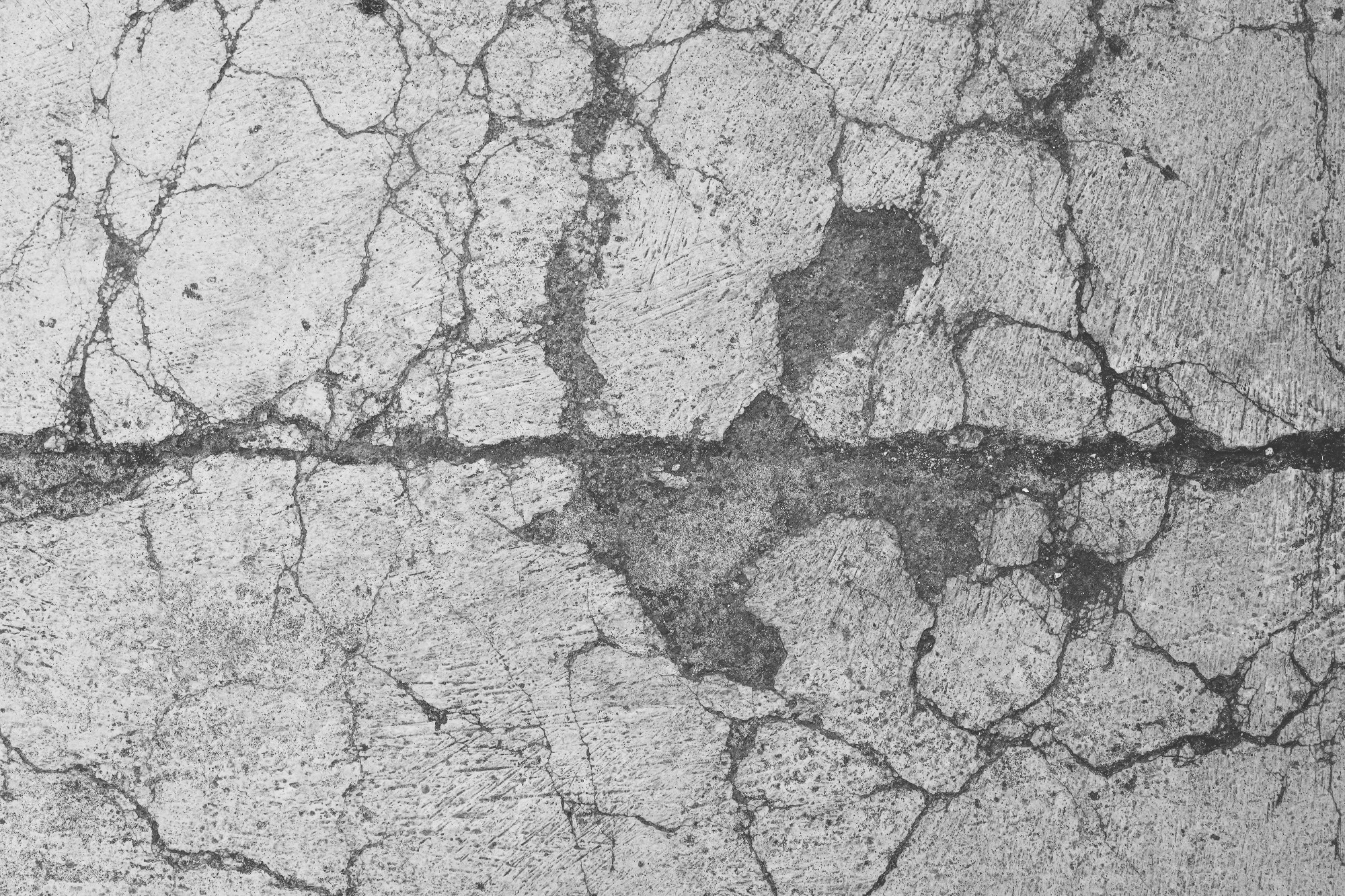
Study: Study on the durability and mechanical properties of carbon fiber reinforced concrete for shaft lining under chloride salt freeze-thaw coupling environment. Image Credit: Reezky Pradata/Shutterstock.com
A recent study published in Scientific Reports shows that carbon fiber-reinforced concrete (CFRC) significantly improves structural strength and durability when exposed to chloride salts and freeze–thaw cycles, highlighting its potential for protecting underground infrastructure.
Rethinking Concrete for Harsh Environments
While concrete remains a cornerstone of modern construction, especially for underground structures, its performance can suffer in extreme environments. Conventional mixes are particularly susceptible to damage from freeze-thaw cycles and chloride-ion penetration, leading to cracking, material breakdown, and compromised reliability over time.
To overcome these vulnerabilities, researchers have turned to carbon fiber-reinforced concrete. By embedding carbon fibers into the concrete matrix, CFRC enhances tensile strength, improves ductility, and controls crack development - key characteristics for structures exposed to mechanical and environmental stress.
Study Overview: Simulating Real-World Exposure
To evaluate CFRC’s performance, researchers designed a study that simulated harsh service conditions. Concrete specimens with varying carbon fiber contents (0 %, 0.2 %, 0.4 %, 0.6 %, and 0.8 %) were subjected to repeated freeze-thaw cycles in a chloride solution, replicating aggressive underground environments.
Mechanical behavior was measured before and after exposure using uniaxial compressive strength tests, splitting tensile tests, and stress-strain analysis.
To assess how the material responds under sudden, high-speed loading (like impacts or blasts) the team used a Split Hopkinson Pressure Bar (SHPB) system. Together, these methods provided a detailed look at both static and dynamic performance.
The primary goal was to determine the carbon fiber content that delivers the best balance between strength, ductility, and durability.
Results: Finding the Performance Sweet Spot
The findings point to a clear performance trend.
Compressive strength improved with increasing fiber content up to 0.4 %, with gains of 4.93 % at 0.2 % and 15.02 % at 0.4 %. However, performance declined at higher concentrations, dropping by 15.02 % at 0.6 % and 23.74 % at 0.8 %. These results suggest that while a moderate fiber dose boosts strength, too much can reduce internal cohesion and workability.
Tensile strength told a similar but more promising story.
Compared to ordinary concrete, CFRC samples showed substantial gains across all fiber levels: increases of 41.32 %, 51.12 %, 46.26 %, and 25.42 % at 0.2 %, 0.4 %, 0.6 %, and 0.8 %, respectively. These improvements are attributed to the fibers’ ability to bridge microcracks and redistribute stress more evenly throughout the matrix.
Stress-strain curves across all specimens followed the expected progression: densification, linear elasticity, elastoplastic deformation, and failure. But CFRC showed a notable increase in peak strain with higher fiber content. While the 0.8 % mix achieved the highest peak strain, the 0.4 % sample offered the best overall mechanical balance between strength and flexibility.
Impact Performance and Environmental Resilience
Dynamic testing further demonstrated CFRC’s advantages. Under SHPB loading, CFRC outperformed ordinary concrete, showing greater impact resistance, even after 25 freeze-thaw cycles. While performance began to decline after additional cycles, CFRC still maintained higher strength and stiffness over time compared to the control.
Moreover, CFRC displayed greater sensitivity to strain rate. Its Dynamic Increase Factor (DIF), the ratio of dynamic to static strength, remained consistently higher than that of ordinary concrete, indicating better resilience under rapid loading conditions.
On the durability front, CFRC again proved more resistant to environmental stress. After 100 freeze-thaw cycles, ordinary concrete showed 1.63 % mass loss, while CFRC lost only 0.90 %. Visual inspections also revealed less surface damage in the fiber-reinforced samples, underscoring their potential for long-term use in demanding settings.
Conclusion and Future Directions
This research supports the use of carbon fiber-reinforced concrete as a practical solution for improving structural performance under environmental stress. The findings suggest 0.4 % carbon fiber content offers an optimal balance in terms of enhancing strength, ductility, and durability without compromising cohesion.
Looking ahead, future research could explore long-term field performance, refine fiber distribution techniques, and investigate hybrid reinforcement systems. These directions will help further expand the use of CFRC in demanding environments and guide the development of more resilient construction materials.
Journal Reference
Tong, G., & et al. (2026). Study on the durability and mechanical properties of carbon fiber reinforced concrete for shaft lining under chloride salt freeze-thaw coupling environment. Sci Rep 16, 1563. DOI: 10.1038/s41598-025-29834-1, https://www.nature.com/articles/s41598-025-29834-1
Disclaimer: The views expressed here are those of the author expressed in their private capacity and do not necessarily represent the views of AZoM.com Limited T/A AZoNetwork the owner and operator of this website. This disclaimer forms part of the Terms and conditions of use of this website.