Researchers have developed a tougher, more crack-resistant concrete by combining nano-scale particles with natural sisal fibers, improving resistance to chemical damage and long-term deterioration.
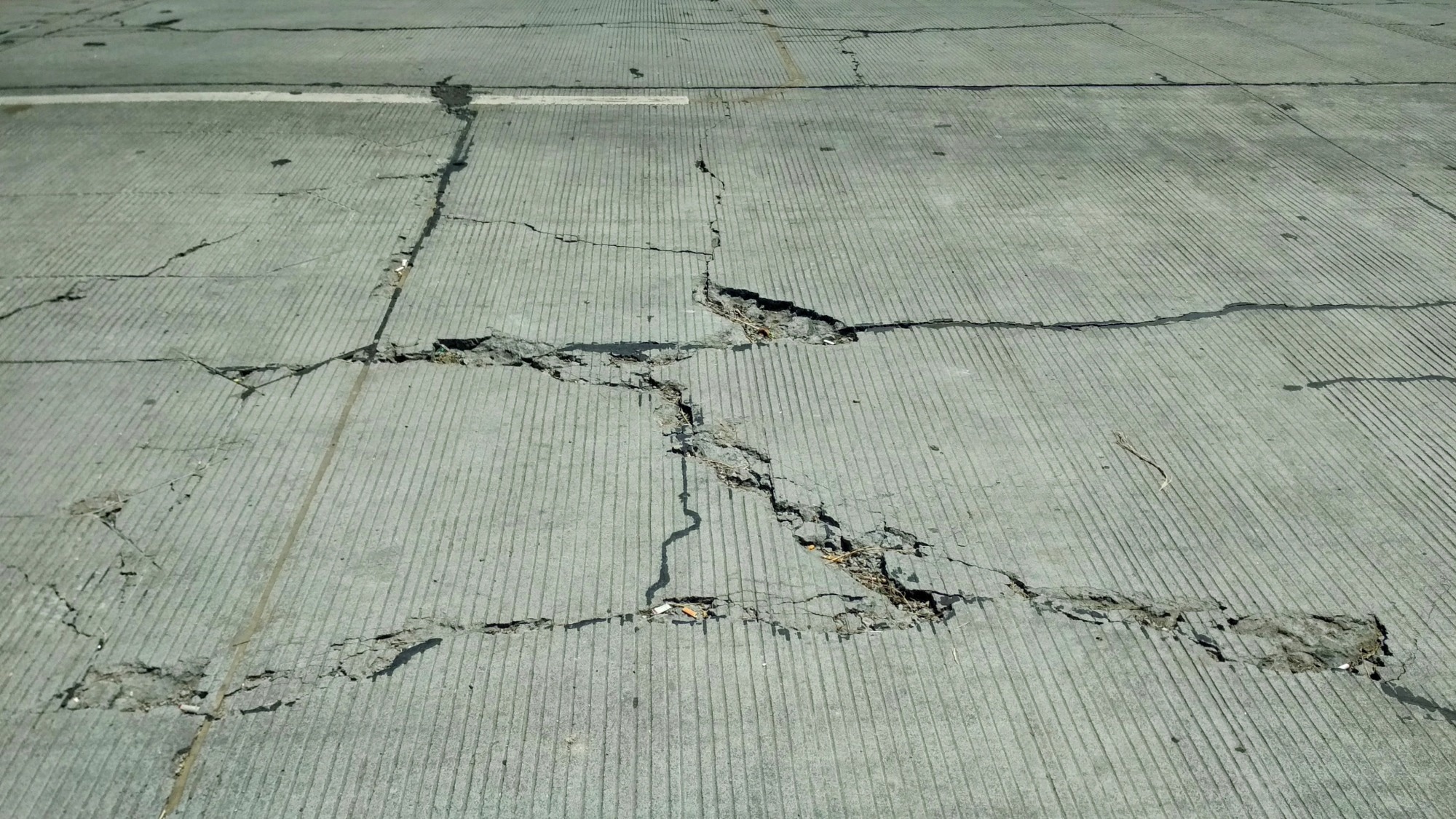
Study: Effect of nano-silica and sisal fiber on the mechanical and durability properties of concrete. Image Credit: chattenoire/Shutterstock.com
By integrating nano-silica and sisal fiber into conventional concrete, the team achieved measurable gains in both mechanical strength and durability. Their study, published in Scientific Reports, examines how these materials interact within the cement matrix and how that interaction translates into improved performance.
The findings suggest that this combined approach can support stronger, longer-lasting, and potentially more sustainable concrete.
Addressing Challenges in Traditional Concrete
Concrete remains one of the most widely used construction materials because of its strength, versatility, and ability to be molded into complex shapes. Despite these advantages, traditional concrete has inherent limitations. It is brittle, prone to cracking, and vulnerable to chemical and environmental attack. Over time, these weaknesses can reduce service life and increase maintenance costs.
To address these challenges, researchers have introduced advanced additives such as nano-silica and sisal fiber into concrete formulations.
Nano-silica, an ultra-fine silicon dioxide particle, refines the microstructure by filling microscopic voids within the cement matrix. As these voids are reduced, the material becomes denser and less permeable. This densification improves compressive strength while limiting the ingress of water, chlorides, and other aggressive agents.
In addition, nano-silica promotes more complete cement hydration, further lowering porosity and strengthening long-term durability.
While nano-silica strengthens the internal matrix, sisal fiber improves the material’s tensile behavior. Derived from the Agave sisalana plant, sisal fibers bridge developing microcracks and slow their propagation. This crack-arresting mechanism enhances tensile strength, increases ductility, and improves toughness. As a result, the concrete becomes better able to absorb energy before failure.
Together, nano-silica and sisal fiber reinforce both the microstructure and the crack resistance of concrete, creating a more balanced and resilient composite.
Experimental Evaluation of Material Effects
To evaluate the combined effects of these materials, researchers incorporated nano-silica at a constant 3 % replacement level by binder weight and added sisal fibers at 1.5 % by binder weight. Fiber lengths of 6 mm, 12 mm, and 18 mm were examined to determine how geometry influenced performance. Control samples were produced alongside the modified mixes to allow direct comparison.
Mechanical testing was conducted at 7, 14, and 28 days, measuring compressive, flexural, and split tensile strength to capture early- and medium-term behavior. Durability was then assessed through chloride penetration testing and acid resistance evaluations. Mass and strength loss were recorded after exposure to hydrochloric (HCl) and sulphuric (H2SO4) acids, providing insight into chemical resilience.
To connect performance outcomes with internal structural changes, the team employed scanning electron microscopy (SEM) and X-ray diffraction (XRD). These analyses revealed how nano-silica refined the cement matrix and how fibers interacted with hydration products. Statistical validation using one-way ANOVA at a 95 % confidence level confirmed that differences among fiber lengths were statistically significant (p < 0.05), reinforcing confidence in the results.
Significant Findings on Strength and Durability
The results demonstrate a clear progression from microstructural refinement to measurable performance gains.
The optimal formulation that combined 3 % nano-silica with 1.5 % sisal fibers at 12 mm length produced a 7.8 % increase in compressive strength, a 16.8 % rise in tensile strength, and a 19.2 % improvement in flexural strength compared to conventional concrete. These gains reflect both matrix densification and improved crack-bridging behavior.
Durability improvements followed the same pattern. Reduced porosity translated into lower water absorption and decreased chloride permeability. In rapid chloride penetration testing (RCPT), the charge passed decreased from 1979 coulombs in control samples to 1463 coulombs in the 18 mm fiber mix, indicating reduced ionic movement through the concrete.
Under sulphuric acid exposure, control specimens experienced strength losses of up to 17.95 %, whereas fiber-reinforced mixes limited degradation to as little as 8.10 %. Microstructural analysis supports these findings: nano-silica contributed to a denser cement matrix, while sisal fibers enhanced ductility and post-cracking performance. Rather than improving isolated properties, the combined system enhanced both strength and durability in a coordinated way.
Applications for Sustainable Construction
These findings carry implications for practical construction. Concrete modified with nano-silica and sisal fiber is particularly well-suited for non-structural and semi-structural applications where durability and crack resistance are essential, including precast elements and pavements.
In addition to performance gains, the material offers sustainability advantages. The use of natural fibers such as sisal reduces reliance on synthetic reinforcements, while partial cement replacement aligns with broader efforts to reduce the environmental footprint of cement-based materials. Although the study did not include a full life-cycle assessment, improved durability alone can extend infrastructure lifespan and reduce resource consumption over time.
Future Directions for Enhanced Materials
Overall, the study demonstrates that combining nano-silica and sisal fiber significantly enhances the mechanical strength and durability of concrete. By strengthening the matrix and controlling crack propagation simultaneously, the approach offers a coherent strategy for developing more resilient construction materials.
Future research should explore long-term performance under freeze–thaw cycles, carbonation exposure, and marine environments, alongside comprehensive life-cycle assessments. Further optimization of mix proportions and evaluation of large-scale production feasibility will also be important for industry adoption.
Journal Reference
Shanmugam, K., & et al. (2026). Effect of nano-silica and sisal fiber on the mechanical and durability properties of concrete. Sci Rep. DOI: 10.1038/s41598-026-37901-4, https://www.nature.com/articles/s41598-026-37901-4
Disclaimer: The views expressed here are those of the author expressed in their private capacity and do not necessarily represent the views of AZoM.com Limited T/A AZoNetwork the owner and operator of this website. This disclaimer forms part of the Terms and conditions of use of this website.