New research suggests that robotic prefabrication and three-dimensional (3D) printing could transform how buildings are constructed in extreme environments and even support the development of future habitats on Mars.
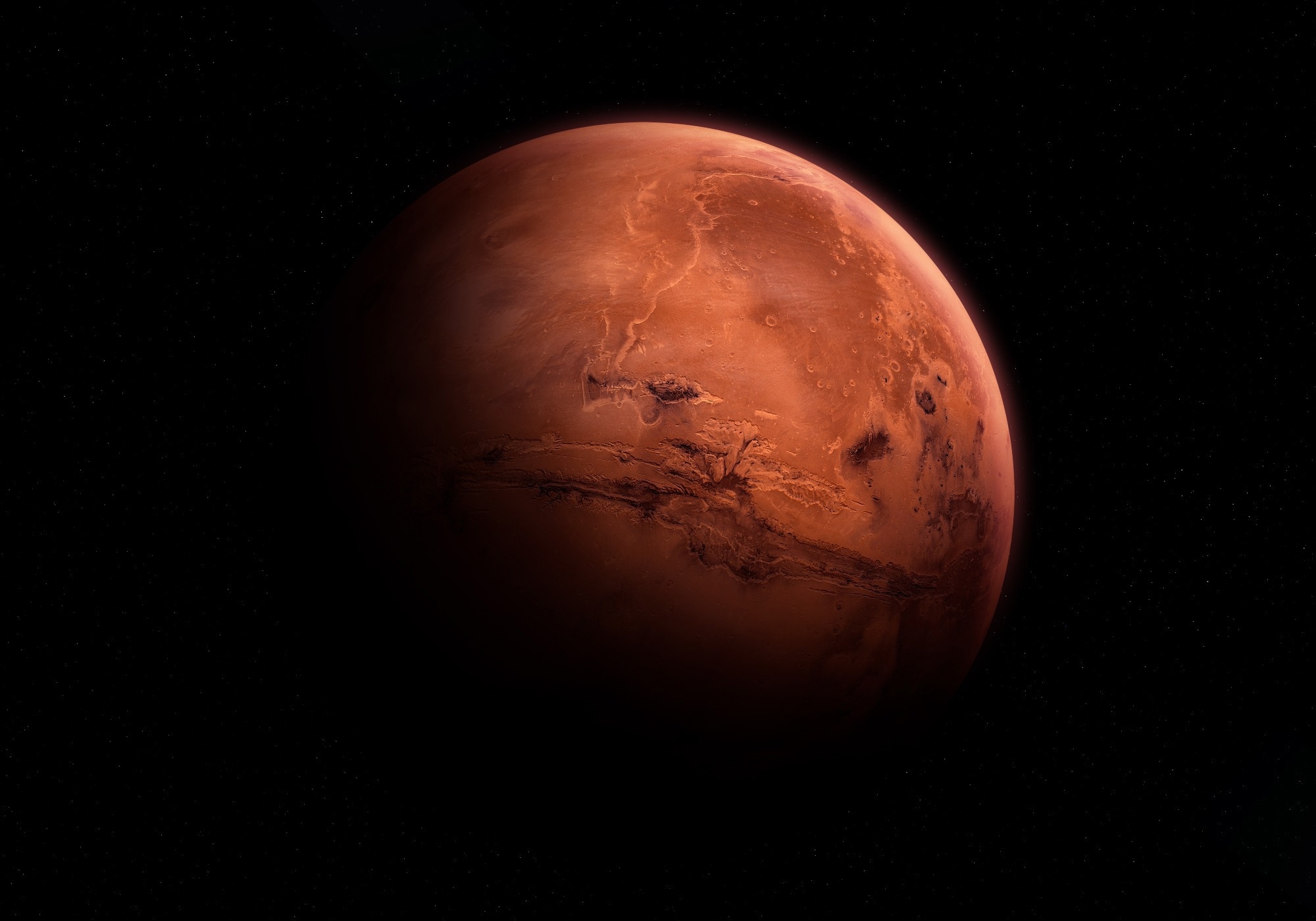
Study: Robotic prefab 3D printing buildings in extreme environments toward Martian habitats. Image Credit: buradaki/Shutterstock.com
A recent study published in npj Space Exploration examined how robotic prefabrication and additive manufacturing technologies could be used to build structures in harsh terrestrial environments while also supporting extraterrestrial construction. The researchers analyzed global research trends and industry developments related to automated construction and potential Martian habitats.
Their findings indicate that automated construction systems could improve building efficiency, reduce material waste, and support the development of resilient structures in both extreme Earth environments and future space missions.
Advancements in Automated Construction Technologies
Robotic prefabrication and 3D printing are emerging as promising approaches for improving construction efficiency. These technologies rely on automated systems and additive manufacturing processes to produce building components with high precision while reducing labor requirements and material waste.
Unlike traditional construction methods, 3D printing deposits materials layer by layer, enabling the fabrication of complex structures that are difficult to achieve using conventional techniques. This approach also supports more sustainable building practices by improving material efficiency and reducing construction waste.
In extraterrestrial environments such as Mars, these technologies could enable the use of in-situ resource utilization (ISRU). Local materials, including Martian regolith, may be processed and printed into structural components, reducing the need to transport construction materials from Earth. This capability could be critical for developing durable habitats capable of withstanding the harsh Martian environment.
Analyzing Carbon Efficiency in Construction
To evaluate the environmental and architectural implications of automated construction, researchers compiled a multi-dimensional dataset integrating architectural, environmental, industry, and research data.
The study analyzed architectural and environmental data from 100 hotel buildings located in extreme climates, along with 631 construction projects comparing conventional and prefabricated hotel construction methods. In addition, the researchers examined 56 construction robotics companies and reviewed 517 peer-reviewed studies related to Martian habitat construction.
Using a computational framework combining climate analysis, construction datasets, and bibliometric research mapping, the team applied analytical methods such as Random Forest regression and topic modeling to identify relationships between environmental conditions, architectural design, and construction efficiency.
Key parameters, including building geometry, material composition, and energy system types, were analyzed to assess their influence on embodied carbon emissions and energy performance.
Climate Influences Building Design and Carbon Performance
The results revealed strong links between climate conditions, architectural form, and carbon efficiency.
Buildings located in colder climates often adopt compact volumes, which help retain heat and reduce energy demand. In contrast, buildings in warmer environments typically feature wider footprints, allowing for improved natural ventilation and passive cooling.
Cities located in high-latitude regions or areas with challenging terrain achieved significant embodied carbon reductions, with savings ranging from 15 to 25 kgCO2e per cubic meter. These reductions were largely attributed to prefabrication efficiencies, improved construction logistics, and greater material standardization.
However, urban areas with well-developed supply chains and advanced construction practices showed smaller benefits from prefabrication, highlighting the importance of adapting construction strategies to local conditions.
The study also found that buildings with larger perimeters and surface areas were often associated with increased building volume. While efficient space planning can improve energy performance, highly complex building geometries tended to reduce carbon efficiency, illustrating a trade-off between architectural complexity and environmental performance.
Implications for Construction on Earth and Beyond
The findings suggest that robotic prefabrication and 3D printing could play an important role in building infrastructure in extreme environments on Earth, including Arctic regions, deserts, and other remote locations.
Automated construction systems can improve efficiency by reducing material waste, lowering labor requirements, and enabling precise fabrication of structural components. The ability to use locally available materials also reduces transportation demands, an important advantage in remote or resource-constrained environments.
Beyond conventional construction, these technologies could also support rapid infrastructure deployment in disaster relief operations or remote development projects.
The analysis of the robotics industry dataset further revealed increasing global investment in automated construction technologies, with many companies located in Europe, China, and North America.
Challenges for Extraterrestrial Construction Research
While research into automated construction and Martian habitats continues to expand, the study identified fragmentation across key research disciplines.
Fields such as robotics, materials science, architecture, and life-support engineering often operate independently, limiting progress toward fully integrated extraterrestrial habitat systems.
The researchers suggest that stronger collaboration across these disciplines will be essential for developing viable long-term infrastructure for human missions beyond Earth.
Supporting Sustainable Construction in Extreme Environments
Overall, the study highlights the potential of robotic prefabrication and 3D printing to improve construction efficiency and sustainability in extreme environments.
By combining robotics, digital fabrication, and locally sourced materials, these technologies could support the development of resilient infrastructure on Earth while also enabling future extraterrestrial habitats.
Further research will likely focus on improving automated construction systems, developing new printable materials, and integrating critical habitat systems such as radiation protection and life-support technologies.
Journal Reference
Cai, G., & et al. (2026). Robotic prefab 3D printing buildings in extreme environments toward Martian habitats. npj Space Explor. 2, 11. DOI: 10.1038/s44453-025-00025-6, https://www.nature.com/articles/s44453-025-00025-6
Disclaimer: The views expressed here are those of the author expressed in their private capacity and do not necessarily represent the views of AZoM.com Limited T/A AZoNetwork the owner and operator of this website. This disclaimer forms part of the Terms and conditions of use of this website.